Indie Campers LogoIndie Campers Logo
North America
AnchorageCalgaryChicagoDenverLas VegasLos AngelesMiamiNew YorkPhoenixSalt Lake CitySan DiegoSan FranciscoSeattleTorontoVancouver
Europe
CroatiaFinlandFranceGermanyGreeceIcelandIrelandItalyNetherlandsNorwayPortugalPolandSpainSwedenSwitzerlandUnited Kingdom
Oceania
AucklandBrisbaneCairnsChristchurchDarwinMelbournePerthQueenstownSydneyHobart
Popular Destinations
AlaskaAthensBarcelonaBergenBolognaCanadaDublinEdinburghFaroLisbonMilanNiceOsloReykjavikScotlandVeniceZurich
Campervan driving towards the sunset
See all Locations →
ModelsBuy a CampervanBecome a Host
RoadtripsBlog
Help
Deals
Deals

Explore Valencia With Us!

Experience Spain's Mediterranean coast with an RV rental in Valencia and explore golden beaches, historic towns, and mountainous inland landscapes. Drive north toward Barcelona and the Costa Brava's rocky coves, head south through Alicante toward Andalusia's white villages, or venture inland to explore the dramatic landscapes of the Maestrazgo mountains. Choose from Indie Campers' California, Active, or Comfort models, all equipped with unlimited kilometers, flexible one-way options, 24/7 online support, and extras like beach gear, kitchen kits, or outdoor furniture. With a trusted Europe-wide fleet and 4.8-star reviews, Indie Campers makes exploring Spain's east coast accessible, comfortable, and reliable.

RV Road Trips from Valencia

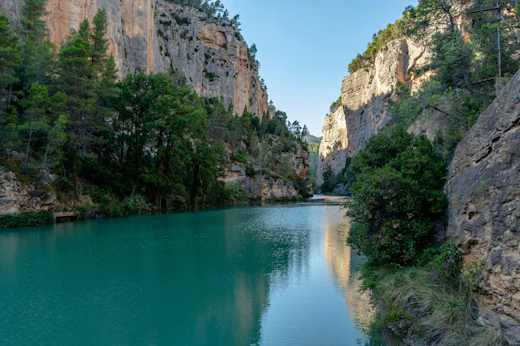
Valencia sits at the center of the Spanish Mediterranean coast, 350 miles south of Barcelona and 400 miles southeast of Madrid, with the AP-7 running north and south along the coast and the A-3 heading west toward Cuenca and the Castilian meseta. From the depot, the Albufera Natural Park is 10 miles south (a 21,000-hectare coastal lagoon where Valencian rice has been farmed since the 10th century); the Costa Blanca begins at Altea and Calpe, 150 miles south via AP-7; the UNESCO medieval city of Cuenca is 2 hours inland on the A-3; and the Maestrazgo highlands and the walled town of Morella are 2 hours north on the CV-10.
The city earns a day before pickup. The Mercado Central (GPS: 39.4737° N, 0.3791° W, Monday through Saturday 7:30 a.m. to 3:00 p.m.) is where you provision the vehicle kitchen: Bomba and Senia rice varieties, fresh clams and prawns from the adjacent Lonja fish market, and the sweet paprika that defines Valencian paella. The Ciudad de las Artes y las Ciencias complex (GPS: 39.4541° N, 0.3504° W) is 3 miles south along the former Turia riverbed, now a 9-mile linear park; an afternoon covers both.
RV Road Trips from Valencia

What to do in Valencia?

Top Natural Parks and Scenic Drives Near Valencia
Best Campgrounds Near Valencia
Local Tips
  • Albufera Natural Park - 10 miles south of Valencia via the CV-500, approximately 15 minutes to El Palmar village. The Albufera (from the Arabic al-buhayra, "small sea") is a 21,120-hectare freshwater lagoon separated from the Mediterranean by a narrow sand bar called La Devesa, 25 miles of protected dune and pine forest running between the lagoon and the sea. The lagoon itself covers 2,432 hectares of open water and is surrounded by 14,000 hectares of active rice paddy fields. It is the largest lake in Spain, the most important wetland on the Iberian Mediterranean coast for migratory birds, and the landscape that produced paella valenciana. More than 250 bird species have been recorded in the Albufera, with wintering populations of duck and coot reaching 100,000+ individuals in December and January.
  • Costa Blanca: Denia, Calpe, and Alicante - Denia: 100 miles south via the AP-7, approximately 1 hour. Alicante: 160 miles south via the AP-7, approximately 1 hour 30 minutes. The Costa Blanca between Denia and Cartagena is 250 miles of limestone cape, cala (cove) coastline, and white fishing village architecture. The AP-7 motorway runs parallel to the coast throughout, making it the most direct corridor from Valencia south, but the route of practical interest is the N-332 coastal road that drops off the motorway at Denia and follows the coast through Calpe, Altea, and Benidorm to Alicante. The limestone formations on this stretch are specific enough to describe: the Peñón de Ifach (162 metres, GPS: 38.6412° N, 0.0549° E) rises directly from the sea at Calpe as an isolated rock stack, the largest remaining headland formation on the Spanish Mediterranean coast.
  • Cuenca and the Serranía de Cuenca - 190 miles west of Valencia via the A-3, approximately 2 hours to Cuenca city center. Cuenca is the reason to drive inland from Valencia. The city is built on a gorge promontory above the junction of two rivers, the Júcar and the Huécar, with the mediaeval upper city (GPS: 40.0769° N, 2.1314° W) balanced on the edge of a 50-70 metre vertical limestone cliff face. The Casas Colgadas (Hanging Houses, GPS: 40.0776° N, 2.1271° W) are a row of 14th-15th century Gothic residential structures whose wooden balconies cantilever directly over the Huécar gorge, with the river 50 metres below. They appear on every list of unusual Spanish architectural images, and the reality from the opposite gorge bank (cross the Puente de San Pablo, GPS: 40.0778° N, 2.1268° W, free, a 1902 iron footbridge 40 metres above the river) matches the photographs. The Cuenca upper city is a UNESCO World Heritage site (inscribed 1996) as a complete example of a Spanish medieval fortified town.
  • El Maestrat and Morella - 170 miles north of Valencia via the A-23 and CV-15, approximately 1 hour 50 minutes to Morella. El Maestrat (Maestrazgo in Castilian) is the highland region north of Castellón de la Plana, from the coast to the Aragón provincial border, at 600-1,800 metres above sea level. It is among the most sparsely populated and least-visited regions of the Spanish Mediterranean hinterland, with a landscape of limestone ridges, oak and pine forest, dry stone terracing, and walled hill towns that predate the Christian reconquest of the 13th century. The region's population dropped from approximately 80,000 in 1900 to under 15,000 today. The campervan infrastructure reflects this: Áreas de Autocaravanas are established in Morella, Forcall, and Cantavieja, and the secondary roads are paved and well-maintained with minimal traffic.
  • Serra de Mariola and the Valencia Interior - 90 miles southwest of Valencia via the A-7 and CV-81, approximately 1 hour to Alcoi. The Serra de Mariola Natural Park (GPS: 38.7400° N, 0.5600° W, 17,249 hectares) sits at 500-1,390 metres in the pre-coastal ranges between Valencia and Alicante, with a Mediterranean scrubland and Aleppo pine landscape that produces the highest lavender and rosemary essential oil concentration of any park on the Spanish Mediterranean coast. The lavender bloom peaks in late June and early July on the south-facing slopes above Bocairent. The park is also the origin of Herbes del Maestrat, the Valencian herb liqueur made from a distillation of 25 plants gathered in the park, including lavender, rosemary, thyme, fennel, and hypericum. The Bodegas l'Alqueria in Agres (GPS: 38.7800° N, 0.5620° W, tours available, [DATA NEEDED: confirm opening hours]) produces a version from park-grown herbs.

Get Inspired

Our Road Trips Itineraries

Why Rent an RV in Valencia

The argument for Valencia as a starting point is the coast-to-interior range within the same region. In 15 minutes you are at the Albufera lagoon. In 45 minutes you are at the Xàtiva castle above the Valencian plain. In 2 hours you are at the Cuenca gorge. In 1 hour 30 minutes you are in Alicante. The geographic compression of the Comunitat Valenciana means that a single depot gives you Mediterranean beach, medieval hill towns, limestone canyon, alpine-equivalent highland, and a UNESCO World Heritage city all within a 200-mile radius, without covering the same road twice.

The second argument is the AP-7 corridor. The motorway runs the full length of the Mediterranean coast in both directions from Valencia, making one-way rentals in both north and south directions straightforward. A Valencia-to-Barcelona one-way along the coast covers 360 miles of the most consistently scenic motorway corridor in Spain, with the Peñíscola rock, the Ebro Delta, the Tarragona Roman walls, and the Camp de Tarragona coastal section all visible from the road. A Valencia-to-Alicante-to-Murcia-to-Cartagena south one-way extends the Costa Blanca circuit to the Murcian coast and the Cabo de Palos marine reserve.

The third argument is the airport. Valencia Airport (VLC) handles approximately 8-10 million passengers per year with direct connections to London, Paris, Amsterdam, Frankfurt, Rome, and most major European cities. The taxi from VLC to Valencia city center is 20-30 minutes (€20-30); rideshare is €15-22. The route to the depot from the airport is

The specific reason to pick Valencia over a Costa Blanca depot further south is the city itself. Two days in Valencia before vehicle pickup is not a difficult argument to make: the Turia park by bicycle in the morning, the Mercado Central for horchata and provisioning at midday, and the Barri del Carmen (GPS: 39.4749° N, 0.3815° W, free) in the evening, the medieval quarter between the Catedral and the river, with the 15th-century Torres de Quart (GPS: 39.4772° N, 0.3847° W, free, Tuesday through Saturday 10:00 a.m. to 7:00 p.m., Sunday 10:00 a.m. to 2:00 p.m.) and Torres de Serrans (GPS: 39.4795° N, 0.3795° W, €2 adults, same hours) as the two surviving medieval gates in the old city wall. Dinner at around 9:30 p.m. at any of the Carmen neighbourhood restaurants on the side streets off the Plaça del Tossal (GPS: 39.4758° N, 0.3817° W), then back to the campsite. This is how Valencia works.

Why Choose Indie Campers in Valencia

Unlimited mileage: The Valencia-to-Cuenca route is 190 miles. The Albufera-to-Denia-to-Peñíscola-to-Morella loop is over 600 miles. The Valencia-to-Barcelona coastal one-way is 360 miles. No daily cap means none of these distance calculations affect the itinerary.

One-way rentals across 100+ locations: Pick up in Valencia, drop off in Barcelona, Madrid, Alicante, or any European depot. The Valencia-to-Barcelona coastal one-way (360 miles via AP-7, 3 hours 30 minutes) is one of the most popular one-way routes in the Indie Campers Spain network.

Best price guarantee: Book at indiecampers.com and Indie Campers will match any like-for-like quote from a competitor.

Flexible cancellation available: Cancel up to 31 days before pickup without penalty.

24/7 road assistance: Included on every booking. Practical relevance: the Serranía de Cuenca, El Maestrat, and the Serra de Mariola all have sections with limited mobile signal. Breakdown cover has real value in these areas.

Basic Protection Plan included: Active from the first day. Upgrade options available at booking.

Book now, pay later: Reserve today, pay closer to the date.

Best Time to Rent an RV in Valencia

Spring (March to May)
Temperatures: 13-22°C (55-72°F)

Valencia's spring is operationally the best season for the interior routes: the Serranía de Cuenca wildflower sequence peaks from late April through May, the Albufera rice fields are flooded and emerald-green in April before planting, and the Mariola lavender is 4-6 weeks from peak but the scrubland smells of rosemary from March. Las Fallas (15-19 March) is the dominant event: 4.5 million visitors over 5 days, the world's most extravagant urban pyrotechnic festival, and a practical challenge for campsite availability within 100 miles. Book any Valencia-area campsite for the Fallas week by January at the latest or accept a 1.5-2 hour drive each morning. The Mascletà (daily fireworks at 2:00 p.m. in the Plaça de l'Ajuntament, GPS: 39.4690° N, 0.3756° W, free, standing room, arrive 30 minutes early) is the daily sonic event of the festival and something that does not translate in video or audio recording: 5 minutes of escalating percussion firework detonations felt physically in the chest from 100 metres.

Best for: Cuenca and the Ciudad Encantada karst park, Albufera spring flooding, Las Fallas in March (if booked months ahead), Costa Blanca hiking on coastal trails before summer heat.
Skip if: You want warm Mediterranean swimming. Sea temperature at Valencia in March and April is 14-16°C.

Summer (June to August)
Temperatures: 24-32°C (75-90°F)

The hottest season on the Levantine coast. The Albufera boat circuits start at 7:00 a.m. before heat builds; the Denia and Calpe calas are swimmable from 9:00 a.m. to 8:00 p.m. The Serra de Mariola lavender blooms from late June through mid-July; the Bocairent area between Alcoi and Xàtiva smells of lavender oil at 7:00 a.m. on still mornings, before the day's heat bakes it into the hillside. Cuenca and El Maestrat are cooler: Morella at 1,000 metres averages 22°C in July versus 33°C on the coast. The AP-7 south from Valencia in July is a guaranteed traffic jam on Friday afternoons from 3:00 p.m. to 7:00 p.m.; depart before noon or after 8:00 p.m. for coastal routes.

La Tomatina (last Wednesday of August, Buñol, GPS: 39.4228° N, 0.7906° W, €10 entry including tomatoes, 40 miles west of Valencia via A-3, 35 minutes): 20,000 participants, 150,000 kg of overripe tomatoes, 1 hour of the world's largest food fight, followed by the town fire brigade washing the streets with water. The vehicle should be parked at a distance; Buñol's town center roads are closed from dawn. Take the Cercanías train from Valencia Nord station (Valencia-Buñol service, approximately 50 minutes, €4.50 return).

Best for: Mediterranean swimming at Calpe, Denia, and Albufera, Morella and El Maestrat escape from coastal heat, Ebro Delta flamingo season (August arrivals), La Tomatina (late August, confirm registration).
Skip if: You want Morella's truffle season: it runs December through March only.

Autumn (September to October)
Temperatures: 16-26°C (61-79°F)

Autumn is the optimal season for the Albufera bird migration: wading birds, duck, and coot arrive from September, with flamingo numbers at the Ebro Delta building from August through October. The sea temperature is 24-26°C in September, the warmest of the year due to accumulated summer heat, making September the best month for extended coastal swimming. The rice harvest at Albufera runs from mid-September through October; the CV-500 road through the paddy fields in late September carries the smell of cut rice and the sound of combine harvesters working the flooded fields at dawn. Rice harvest paella at El Palmar in October, made with rice cut 48 hours earlier from adjacent fields, is the most specific single food experience available in the Valencia region.

Gota fría (cold drop) alert: the Valencia region is subject to intense cold-drop rain events (DANA in Spanish) from late September through November, driven by cold upper-atmosphere air masses meeting warm Mediterranean surface moisture. These events can produce 200-400mm of rainfall in 24-48 hours and cause serious flash flooding in riverbeds and dry valleys. The risk zone for camping is dry riverbeds (ramblas) and valley campsites below cliff faces. Check the AEMET weather app (Spain's national meteorological agency, free iOS and Android, push alerts active) before overnighting anywhere in a valley or ravine from late September onward. Never camp in a rambla.

Best for: Albufera bird migration, September sea swimming (warmest water of the year), rice harvest at El Palmar, Cuenca and Ciudad Encantada without summer crowds.
Skip if: You need reliable clear weather for outdoor activities. Gota fría events are unpredictable and require monitoring from late September onward.

Winter (November to February)
Temperatures: 7-15°C (45-59°F)

The Morella truffle season runs December through March and is the primary gastronomic reason to visit El Maestrat in winter. The Cuenca Semana de Música Religiosa (Sacred Music Week, runs during Holy Week, exact dates vary by Easter calendar) brings international choirs and orchestras to the Cuenca Cathedral and surrounding Gothic buildings; the acoustics of the Cuenca Cathedral nave at 50 metres height are the reason this festival has run continuously since 1975. Valencia's Mercado Central, Mercado de Colón (GPS: 39.4709° N, 0.3670° W, open Monday through Saturday 9:00 a.m. to 9:00 p.m., Sunday 10:00 a.m. to 4:00 p.m.), and the Barri del Carmen are all at their most comfortable in winter without the summer pedestrian congestion. The Ebro Delta flamingo colony is at maximum numbers (2,000-4,000 birds) from October through February, with additional winter species including common crane.

Best for: Morella truffle season (December through March), Cuenca winter weekend, Ebro Delta maximum flamingo count, Valencia city with no queues.
Skip if: You want Mediterranean beach weather. The coast is mild but the sea is 14-16°C.

The most popular months for Valencia campervan rentals are June, July, August, and September.

How Many Days Do You Need in Valencia

3 to 5 Days

Valencia City and Albufera (approx. 150 miles, 3 days)

  • Day 1: Valencia city. Mercado Central provisioning at 9:00 a.m. (horchata and fartons at the market bar, Plaça de la Reina GPS: 39.4743° N, 0.3789° W). Turia park bicycle circuit west to east. City of Arts and Sciences afternoon (GPS: 39.4545° N, 0.3507° W; Museu de les Ciències €8 adults, L'Oceanogràfic €32 adults, book at cac.es; exterior free). Barri del Carmen evening for dinner at approximately 9:30 p.m.
  • Day 2: Collect vehicle from depot by 10:00 a.m. CV-500 south to El Palmar (15 miles, 15 minutes). Boat circuit on the Albufera lagoon (€10-12/person, 45 minutes from El Palmar landing). Paella valenciana at Mateu or equivalent lakeside restaurant (book 2:00 p.m. table ahead; expect €25-35/person). Afternoon south along the La Devesa edge toward Cullera (25 miles, 30 minutes on the CV-500). Overnight at Cullera campsite or Gandia Área de Autocaravanas.
  • Day 3: Xàtiva castle morning (GPS: 38.9879° N, 0.5253° W, €2.50 adults, 30 miles southwest of Gandia via CV-60, 25 minutes). Bocairent cave church afternoon (GPS: 38.7796° N, 0.5892° W, €2 adults, 35 miles southwest of Xàtiva via CV-81, 35 minutes). Return to depot via A-7 north (75 miles, 55 minutes), or continue south on one-way toward Alicante.

Cuenca and the Valencia Interior (approx. 480 miles, 4 days)

  • Day 1: Collect vehicle. A-3 west toward Cuenca (190 miles, 2 hours). Cuenca upper city afternoon: Casas Colgadas exterior (GPS: 40.0776° N, 2.1271° W), Puente de San Pablo crossing for the hanging house gorge view. Museo de Arte Abstracto Español if open. Cuenca campsite overnight.
  • Day 2: Ciudad Encantada morning (GPS: 40.1596° N, 1.9804° W, €6 adults, 36 miles northeast, 40 minutes). Nacimiento del Río Cuervo afternoon (GPS: 40.3478° N, 1.8667° W, free, 70 miles northeast, 1 hour). Return to Cuenca overnight or drive east toward Valencia.
  • Day 3: A-3 east back toward Valencia. Detour north on the CV-15 toward El Maestrat. Morella arrival (GPS: 40.6194° N, 0.0933° W, 170 miles from Valencia via A-23/CV-15). Morella castle afternoon. Overnight at Morella Área de Autocaravanas.
  • Day 4: Morella to Peñíscola via CV-15 and AP-7 south (130 miles, 1 hour 25 minutes). Peñíscola castle morning (GPS: 40.3594° N, 0.4018° E, €7 adults). AP-7 south to Valencia depot (1 hour 20 minutes).

7 to 10 Days

Valencia to Barcelona Coastal Circuit (approx. 900 miles, 8 days)

  • Day 1: Valencia city and Albufera morning. El Palmar boat circuit and paella lunch. CV-500 south to Cullera overnight.
  • Day 2: N-332 north toward Peñíscola (AP-7 north from Valencia, 130 miles, 1 hour 20 minutes). Peñíscola castle morning. Continue north to Ebro Delta: camp at Sant Carles de la Ràpita or Deltebre.
  • Day 3: Ebro Delta morning bicycle circuit (50 miles, 3-4 hours). Encanyissada lagoon flamingo viewing (GPS: 40.6700° N, 0.7100° E). AP-7 north toward Tarragona (80 miles, 50 minutes from the delta).
  • Day 4: Tarragona Roman city morning (GPS: 41.1172° N, 1.2546° E, amphitheatre €3.30 adults, city walls UNESCO, Passeig Arqueològic free with combined ticket €10 adults, Tuesday through Sunday 9:30 a.m. to 6:00 p.m.): the capital of Roman Hispania Citerior and the largest concentration of Roman-era monuments in Spain outside Rome's own territory, with a 1st-century AD amphitheatre directly above the beach, a 2nd-century AD circus (chariot racing track), and 3.5 miles of original Roman walls. Sitges afternoon (GPS: 41.2351° N, 1.8090° E, 60 miles north, 45 minutes): a small beach resort town south of Barcelona with the Modernisme museum (Museu Cau Ferrat, GPS: 41.2327° N, 1.8048° E, €10 adults) in Santiago Rusiñol's former studio-house. Overnight near Sitges or at the Castelldefels campsite south of Barcelona.
  • Day 5: AP-7 north to Barcelona (40 miles, 35 minutes from Castelldefels). Barcelona overnight: park at the Anella Olímpica area P+R or the Fòrum P+R north of the city; do not attempt to drive a campervan into the Barcelona old city or Eixample. Take the metro inward (T-Casual 10-trip card, €11.35). Sagrada Família (GPS: 41.4036° N, 2.1744° E, €26 adults, book at sagradafamilia.org 4-6 weeks ahead in summer), Barri Gòtic afternoon, La Barceloneta beach.
  • Day 6: Barcelona Picasso Museum (GPS: 41.3850° N, 2.1809° E, €14 adults, book at museupicasso.bcn.cat), or Fundació Joan Miró on Montjuïc (GPS: 41.3686° N, 2.1597° E, €16 adults). Mercado de la Boqueria (GPS: 41.3816° N, 2.1716° E, Monday through Saturday 8:00 a.m. to 8:30 p.m., free entry) for provisioning. Drop off at Indie Campers Barcelona depot, or continue south on the return.
  • Days 7-8: Return south: AP-7 back via Sitges, Tarragona, Ebro Delta, and Peñíscola to Valencia depot, or extend inland through Morella and El Maestrat on the return.

14 Days or More

The Valencia Grand Circuit: Coast, Interior, and Balearic Islands (approx. 1,400 miles, 14 days)

  • Days 1-2: Valencia city. Turia park, Mercado Central, City of Arts and Sciences, Barri del Carmen. Collect vehicle on Day 2 afternoon.
  • Day 3: Albufera: El Palmar boat circuit, paella lunch, La Devesa walk. South to Gandia overnight.
  • Day 4: Xàtiva castle and Bocairent cave church. Serra de Mariola Natural Park. Alcoi overnight.
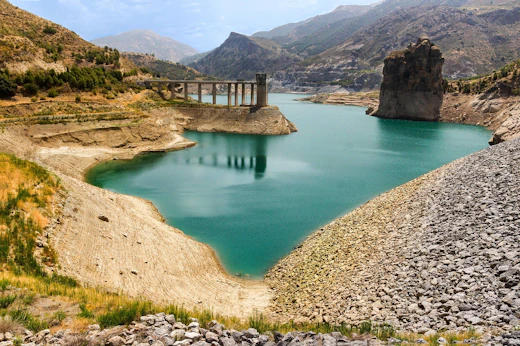
  • Days 5-6: Costa Blanca south: Denia (and Denia ferry consideration for Ibiza), Peñón de Ifach Calpe, Guadalest reservoir, Alicante castle. Palmeral of Elche (UNESCO, 30 miles from Alicante). Alicante overnight.
  • Day 7: Optional: Denia car ferry to Ibiza (2 hours 30 minutes). Ibiza can be driven by campervan; the island is 40 miles north to south and the secondary road network is paved and suitable for all standard campervans. If skipping Ibiza: drive north from Alicante toward Valencia, inland via Xàtiva.
  • Days 8-9: A-3 west from Valencia to Cuenca. Ciudad Encantada, Nacimiento del Río Cuervo, Hoces del Júcar kayak section.
  • Days 10-11: Return east from Cuenca on the A-3 and north via the A-23. El Maestrat: Morella walled city, Morella Area de Autocaravanas overnight. Continue north to Peñíscola.
  • Days 12-13: Ebro Delta: flamingo circuit at Encanyissada, Deltebre rice museum, Fangar lighthouse (GPS: 40.7786° N, 0.6953° E, free, accessible by dirt track suitable for campervans). AP-7 north to Tarragona Roman city. Overnight near Tarragona.
  • Day 14: Return south via the AP-7 to Valencia depot, or one-way north to Barcelona.

Where to Refuel and Refill Near Valencia

Fuel Stations

Valencia city pump prices are competitive with other major Spanish cities; avoid motorway service station fuel on the AP-7 where prices run €0.10-0.18/litre above city stations.

  • Repsol, Carretera de Alicante (N-332), Valencia: South of city center on the main N-332 approach. Pull-through suitable for campervans.
  • Galp, Avenida de Aragón, Valencia: Northeast of center on the A-3 approach road. 24-hour pump.
  • Before heading west (Cuenca): Fill in Requena (A-3, 65 miles west of Valencia) before the Altiplano section where stations are 40-60 miles apart.
  • Before heading north into El Maestrat: Fill in Castellón de la Plana or Vinaròs before heading inland; fuel stations in the Morella and Forcall area are present but limited to single stations in each town.
  • Average fuel price in Spain (2025 estimate): €1.60-1.75/litre diesel; €1.65-1.80/litre petrol.

LPG / Autogas

LPG (autogas) availability in Spain is lower than in Germany or the Netherlands. Plan refills at major city or motorway stations; do not rely on small town stations for LPG.

  • Repsol
  • Cepsa / BP motorway stations on AP-7: Some AP-7 service areas carry autogas; check GasMap app or alternatively carry a 5 kg exchange cylinder for short trips.
  • Average LPG price in Spain: approximately €0.75-0.92/kg.
  • App: GasMap (iOS/Android, free) gives Spain-wide LPG station locations and current prices in real time. Download before departure.

Dump Stations

  • Albufera area: The El Saler and Cullera Áreas de Autocaravanas include service points.
  • Costa Blanca: The Calpe, Denia, and Gandia Áreas de Autocaravanas all include service points.
  • App: Área de Autocaravanas (Spain-specific iOS/Android app, free) lists all designated campervan service areas in Spain with dump station availability. Far more complete for Spain than Park4Night.

Essential Apps

  • Área de Autocaravanas: Primary app for designated campervan stops across Spain. Essential for El Maestrat and the Serranía de Cuenca, where non-designated overnight parking is less well-mapped.
  • Park4Night: Useful for informal spots but covers Spain less comprehensively than the Área de Autocaravanas app. Use in combination.
  • AEMET: Spain's national meteorological agency app. Push alerts for DANA (gota fría) events. Mandatory download if traveling the Valencia region from September onward.
  • Google Maps offline (Comunitat Valenciana, Castilla-La Mancha, Aragón): Download all three regions before departure. Signal drops in the Serranía de Cuenca above 1,000 metres and in the El Maestrat mountain roads between Morella and Cantavieja.
  • AP-7 toll app (Telepeaje): Not essential for occasional use, but if driving the AP-7 corridor multiple times, a Vía-T transponder (available from Abertis) saves cash at each toll plaza.
  • GasMap: LPG stations across Spain with real-time pricing.
  • Campercontact: Useful for Balearic Islands (Ibiza) if extending the circuit by ferry.

Tips for Renting in Valencia

Age and License Requirements

Minimum rental age: 21 years.

EU license holders: Valid in Spain and throughout the Schengen area.

Non-EU visitors: An International Driving Permit (IDP) alongside your national license is recommended for Spain. UK license holders (post-Brexit): a UK driving license is valid in Spain for tourist use; confirm current exchange requirements for stays over 6 months. Obtain your IDP before departure if required; it is not available at Valencia Airport.

Credit Card and Deposit

A credit card in the primary driver's name is required at pickup. Deposit amount varies by vehicle class and protection plan selected.

Reservation Systems

  • Spanish campsites: Acsi (acsi.eu), Campingred (campingred.es), or direct booking via individual campsite websites. Most Costa Blanca campsites have English-language booking systems.
  • Albufera Área de Autocaravanas: Walk-in at El Saler; book ahead for peak summer weeks.
  • El Palmar restaurants: Call the restaurant directly (Spanish required or bring a translation app); most do not have online booking.
  • City of Arts and Sciences: Book at cac.es for L'Oceanogràfic; Museu de les Ciències is walk-in.
  • Sagrada Família (if going to Barcelona): Book at sagradafamilia.org. June through September: book 4-6 weeks ahead.
  • Denia-Ibiza ferry: Book at balearia.com; vehicle spaces limited in summer, book 3-4 weeks ahead minimum for July and August.
  • La Tomatina: Register at the official La Tomatina registration site. Capacity-limited; sold out by July in most years.
  • MotoGP Circuit Ricardo Tormo: Tickets at circuitvalencia.com; circuit camping books out in October for the November race.

Driving Tips for Valencia and the Comunitat Valenciana

Speed Limits

  • Valencia city: 50 mph on main roads; 30 mph on most residential and secondary streets. The inner ZBE zone and many Carmen-area streets are 20 mph or pedestrian priority only.
  • National roads (N-332, N-340): 90-100 mph on open sections; 50 mph through town zones.
  • Autopistas (AP-7): 120 mph standard maximum for campervans under 3.5 tonnes; 100 mph for vehicles over 3.5 tonnes. Check your vehicle's registered weight at depot pickup.
  • Mountain roads (CV-15, CV-81, CM-2105): Variable; typically 60-80 mph on open sections, 30 mph on the tightest bends.
  • Speed cameras: Spain uses both fixed radar cameras (clearly signposted by orange warning signs 250 metres ahead) and mobile units. The DGT (Dirección General de Tráfico) app shows live camera locations.

Road Conditions

  • AP-7 (Valencia to Alicante and Barcelona): Four lanes throughout, excellent surface, paid motorway.
  • A-3 (Valencia to Cuenca): Dual carriageway to Requena, then two-lane conventional highway; excellent surface throughout.
  • N-332 (coastal road): Two lanes, paved, good surface; passes through multiple town speed zones. Slower than the AP-7 but toll-free and more scenic.
  • CV-15 to Morella: Two lanes, paved, excellent surface; 18% gradient on the final climb to Morella. Campervans handle it in low gear.
  • CV-81 (Alcoi to Bocairent): Two lanes, paved; tight bends on the Vinalopó valley descent. Campervans over 7.5 metres should use the CV-795 alternative via Banyeres de Mariola.
  • CM-2105 (Cuenca to Ciudad Encantada): Two lanes, paved, good surface; altitude 900-1,400 metres, can carry ice and snow from December through March. Check DGT road conditions at dgt.es before departing in winter.

Driving Culture

Spain drives on the right. Spanish motorway driving culture is broadly similar to the rest of continental Europe, with right-lane discipline on autopistas observed less consistently than in Germany; overtaking lanes are used freely on the AP-7 and passing on the right is less uncommon than further north. Maintain awareness of vehicles approaching on the left at high speed.

Rural road culture in the Valencia interior: local drivers on the CV-15 and the Morella approach know the road precisely and will overtake on tight bends when they judge they can complete the manoeuvre. Keep to the right verge on mountain roads when a local vehicle behind you wants to pass.

Valencia city: the Turia park cycling paths are bidirectional on most sections; campervans never enter these paths. The Valencia city center has extensive pedestrian priority zones; satnav routes sometimes suggest streets that are physically blocked by bollards for non-resident vehicles.

RV-Specific Notes

Valencia city parking: Do not attempt to park a campervan in the Valencia old city or Ruzafa street grid. Use the El Saler campsite (14 miles south) or the designated Área de Autocaravanas and transit by Metro or bicycle to the center.

AP-7 tolls: The toll plazas accept cash (€5-10 notes for individual plazas) and most accept credit/debit card contactless. Carry €50-80 in small change for cash toll lanes if not using a transponder.

Height restrictions: Valencia city center underground car parks clear 1.8-2.0 metres; not suitable for any campervan. Use surface parking at the designated areas only.

Albufera CV-500: This road carries agricultural machinery during the rice planting season (May through June) and harvest (September through October); wide harvesters may occupy the full road width on the paddy field sections between El Saler and El Palmar. Slow down and wait; they move at 10-15 mph and clear the road within 200-300 metres.

Estimated Costs for a 7-Day Valencia RV Trip

RV rental: €600-1,600 (varies by vehicle size and season; July and August add 20-30% above shoulder-season rates; book 6-8 weeks ahead for peak summer)

Fuel: €80-160 (diesel approximately €1.65/litre; typical 7-day distance on a Valencia coast and interior circuit is 500-800 km; the A-3 to Cuenca and back adds 380 miles alone)

Tolls: €25-60 (AP-7 Valencia to Alicante and back approximately €36-50; AP-7 Valencia to Peñíscola approximately €20-28; A-3 to Cuenca toll-free)

LPG/Propane: €8-20 (one to two refills depending on cooking use; confirm LPG station availability before heading into Cuenca or El Maestrat)

Campgrounds: €84-280 (€12-40/night x 7; Área de Autocaravanas in El Maestrat at €8-12/night; Costa Blanca ACSI campsites at €18-30/night; peak-season sites near Peñíscola or Calpe at €35-40/night)

Food: €140-420 (self-catering from Mercado Central approximately €28/day; mixed cooking and one Albufera paella lunch approximately €50/day; full restaurant meals plus the Morella truffle menu approximately €80-100+/day)

Activities: €25-90 (La Lonja €2; Cuenca Hanging Houses museum €3; Ciudad Encantada €6; Peñíscola castle €7; Morella castle €3.50; Peñón de Ifach trail free; Albufera boat circuit €10; Xàtiva castle €2.50; City of Arts and Sciences Museu de les Ciències €8)

AP-7 ferry to Ibiza (optional extension): Denia-Ibiza vehicle ferry approximately €120-180 return for a campervan in July or August.

Budget: approx. €750 - Compact vehicle, full self-catering from Mercado Central and Consum, Área de Autocaravanas throughout at €8-15/night, toll-free routing via N-332, free natural attractions (Albufera La Devesa walk, Peñón de Ifach trail, Ebro Delta perimeter circuit), one City of Arts and Sciences exterior visit (free), one paella lunch at El Palmar.

Mid-range: approx. €1,450 - Mid-size vehicle, three restaurant evenings including one Albufera paella lunch (€30/person), AP-7 routing to Peñíscola and Alicante, Cuenca City of Arts and Sciences Museu de les Ciències, Ciudad Encantada, Peñíscola castle, Xàtiva castle, mixed campsites at €18-28/night.

Premium: approx. €2,600+ - Larger motorhome, Costa Blanca AP-7 circuit with tolls, Morella truffle menu (December through March), Denia-Ibiza vehicle ferry (July/August, €150-180 vehicle return), Valencia-to-Barcelona one-way drop-off, Sagrada Família in Barcelona, L'Oceanogràfic in Valencia (€32 adults).

One-Way Rentals from Valencia

Valencia → Barcelona (360 miles, 3 hours 30 minutes via AP-7): The coastal one-way along the Via Augusta. Natural stops: Peñíscola castle (130 miles, 1 hour 20 minutes), Ebro Delta flamingo lagoons (200 miles, 2 hours), Tarragona Roman amphitheatre (280 miles, 2 hours 45 minutes). Drop off at Indie Campers Barcelona.

Valencia → Alicante (160 miles, 1 hour 30 minutes via AP-7): South through the Costa Blanca. Natural stops: Gandia Palau dels Borja (70 miles, 50 minutes), Denia castle and prawn market (100 miles, 1 hour), Peñón de Ifach Calpe (130 miles, 1 hour 20 minutes). Drop off at Indie Campers Alicante, or continue south to Murcia or Cartagena.

Valencia → Madrid (360 miles, 3 hours via A-3): Inland through the Altiplano. Natural stops: Cuenca UNESCO city (190 miles, 2 hours), Aranjuez Royal Palace (330 miles, 3 hours, GPS: 40.0342° N, 3.6024° W, €12 adults, UNESCO landscape 2001). Drop off at Indie Campers Madrid.

Valencia → Málaga (650 miles, 6 hours via A-7/E-15): South along the full Mediterranean coast. Natural stops: Alicante (160 miles, 1 hour 30 minutes), Murcia (240 miles, 2 hours 15 minutes), Cartagena (290 miles, 2 hours 45 minutes), Almería and the Cabo de Gata Natural Park (500 miles, 4 hours 45 minutes).

Valencia → Bilbao (590 miles, 5 hours 30 minutes via A-23/A-2/AP-68): North through Teruel and Zaragoza. Natural stops: Teruel (150 miles, 1 hour 30 minutes, UNESCO Mudéjar architecture 1986), Zaragoza (280 miles, 2 hours 30 minutes, Basílica del Pilar GPS: 41.6568° N, 0.8778° W).

One-way fees vary by route and season. Confirm availability and pricing at indiecampers.com.

Why Start Your Road Trip in Valencia

The Mediterranean light. That is the most accurate first argument, and it is not a poetic flourish: the photographic quality of light on white-rendered buildings, on the Albufera lagoon surface at 7:00 a.m., on the Peñón de Ifach limestone at midday, on the Ciudad Encantada grey karst at late afternoon is specific to the eastern Spanish coast between April and October and it does not appear in that concentration anywhere north of the Pyrenees.

The second argument is the geographic position at the center of three distinct landscape types: the coast, the wetland, and the mountain interior. No other major Spanish city gives you all three within a 100-mile radius without one of them being a significant compromise. Valencia to the Albufera is 10 miles. Valencia to Xàtiva is 60 miles. Valencia to Cuenca is 190 miles. The vehicle earns its cost immediately in the first two days.

The third argument is the food. The paella argument is specific and founded: you cannot eat better paella than at El Palmar on the Albufera, made with Albufera rice and cooked over orange wood 300 metres from the field it came from. That is the starting point for a trip. Provision at the Mercado Central, drive south 10 miles, eat the original dish at the source. Wake up the next morning on the lagoon, watch the grey herons work the channel, and decide whether to go south toward Alicante or north toward Morella. The vehicle gives you both options by noon.

Frequently Asked Questions in Valencia

Do I need a special licence to hire an RV in Valencia?

In general, a special licence is not required to rent our RVs in Valencia. However, a valid driving license is required to operate our vehicles. For some non-EU citizens, a IDP is required, in addition to their home country's drivers licence. Other considerations such as a valid vehicle licence to the vehicle type (manual or automatic) will also be required. For more information regarding our licence requirements read this.

Are pets allowed in your RVs?

Yes, our RVs are pet-friendly. Just make sure to purchase the extra cleaning service during your booking. This service includes professional anti-allergic cleaning after your trip. Please note that only one pet is allowed per motorhome, and it must weigh no more than 30kg. Keep in mind, we are not responsible for any legal fees related to traveling with your pet. For marketplace bookings, check the "vehicle rules" section for the pet-friendly icon to confirm if pets are allowed in that specific vehicle.

How many people can sleep in an RV/motorhome?

The number of people who can sleep in our RVs will depend on the size of the vehicle and the model. In general, our class C motorhome models can sleep up to 4-8 people, whereas our class B motorhomes can sleep up to 2-4. For cars with a rooftop tent, around 2 people can sleep in this vehicles. More details on our models and sleeping capacities can be found here.

Where can I stay overnight in Valencia with an RV rental and is it safe?

If you are travelling in an RV, motorhome or caravan around Valencia, it is important to understand official camping rules of the country you are visiting. As natural areas are generally protected by laws, using an official campsite or designated overnight parking area is highly recommended. This helps protect local communities and ensures you can all enjoy safely. Read more safety tips and protocols here.

Is it safe to hire a RV in Valencia, will I be protected?

We offer three protection plans to cover incidents and damages during your rental period. All Indie Campers motorhomes come with insurance for third-party vehicles and property damage (valid insurance will depend on the country). For marketplace vehicles, insurance options may vary based on the host.

Learn more about our protection plans here.

Can I hire an RV rental near me?

Yes, our search filter allows you to find an RV near your location using a 60km radius system. This means depending on the location you are searching from, you will be able to find an Indie campervan rental pick-up center near you.

Do your RV rentals in Valencia come with unlimited mileage?

Yes, a selected number of Indie Campers RV rentals in Valencia include unlimited mileage, allowing you to explore freely and make the most of your road trip! Please note that unlimited mileage applies exclusively to Indie Campers RVs and is subject to responsible use.
Popular RV Rental Destinations

Indie Campers Logo

We provide top-quality RVs, campervans and motorhomes for rent or sale in several locations across North America, Oceania and Europe through a seamless and personalized online experience.

Company

  • About us
  • Careers
  • Partners
  • Reviews
  • Buy an RV

Resources

  • Blog
  • Media
  • How Indie Rental Works
  • Pet Friendly RV Rental
  • Festivals
  • Indie RV Models

Account

  • Your Account
  • Become a Host

Help & Feedback

  • Submit a Request
  • +1 855-785-5096
  • Help Center

Become a member

Get the latest promotion, rewards, news and updates from our team.

By subscribing, you agree to our Privacy Policy

  • PRR — Plano de Recuperação e Resiliência
  • Financiado pela União Europeia — NextGenerationEU
  • República Portuguesa
  • Portugal 2020
  • COMPETE 2020
  • União Europeia — Fundo Europeu de Desenvolvimento Regional
  • NORTE 2020

© INDIE CAMPERS - ALL RIGHTS RESERVED 2026

Privacy PolicyTerms of ServiceSecurity
LONGER TRIPS: Up to 20% off MORE25
:
:
:
ROAD TRIP SEASON

Book 7 nights or more and enjoy an EXTRA 5% discount for travel until October 31. Use code ROAD26.

Travel more, save more!

Enjoy an extra 5% off for 7+ nights, 10% off for 14+, 15% off for 21+, and 20% off for 26+ nights. North America, Australia and New Zealand.

Campervan and RV Rental in Valencia

Campervan and RV Rental in Valencia

Book your Roadtrip

Add Dates
Add Dates
4.7From 73,000+ travelers

Up to 50% off Road Trips

Book today before the best prices disappear!

Best Price Guarantee

Book Direct, Always Pay Less

Explore Without Limits

One-Ways & Unlimited Mileage

Travel Worry-Free

24/7 Support & Flexible Booking

World-Wide Reach

100+ Locations on 3 Continents

Unmatched Choice

Largest Vehicle Selection

Explore our RVs in Valencia

RVs, Motorhomes & Campervans for Every Kind of Traveller

Front side view of medium camper van with roof tent extended.

California

4.6(500+)
4 passengers
Sleeps 4
From

/night

Medium-sized campervan side and front view, integrated cab, no roof tent, with extended living area.

Comfort Plus Select

4.7(500+)
4 passengers
Sleeps 4
Shower
Toilet
From

/night

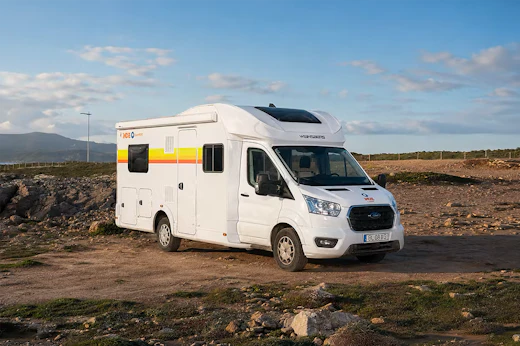
Large motorhome side and front view, over-cab sleeping area, white exterior, no roof tent, long wheelbase.

Family Select

4.7(500+)
6 Seats
Sleeps 6
Shower
Toilet
From

/night

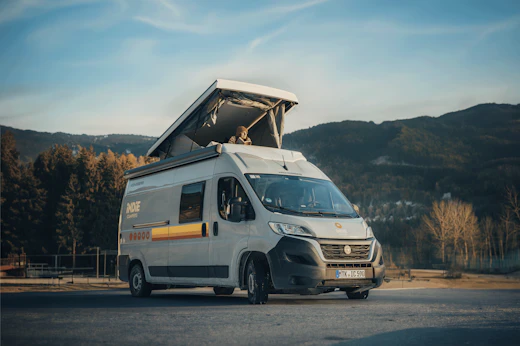
White camper van with raised pop-up roof parked outdoors, surrounded by trees and distant mountains under a blue sky.

Active Plus Select

4.7(500+)
4 passengers
Sleeps 4
Shower
Toilet
From

/night

White camper van with raised pop-up roof parked outdoors, surrounded by trees and distant mountains under a blue sky.

Active Plus

4.6(500+)
4 passengers
Sleeps 4
Shower
Toilet
From

/night

Medium camper van, front and side view, high roof, no roof tent, door and windows on side, compact layout.

Comfort Standard Select

4.6(500+)
5 passengers
Sleeps 5
Shower
Toilet
From

/night

Our Pick-up Center

Indie Campers Valencia

Carrer Massamagrell, 36, 46138 Rafelbunyol, València, Spain

Get Inspired

Our Road Trips Itineraries

South West Spain Road Trip road trip

South West Spain Road Trip

Madrid Road Trip road trip

Madrid Road Trip

Catalonia Road Trip road trip

Catalonia Road Trip

Spanish Coast Road Trip road trip

Spanish Coast Road Trip

See more

Reviews in Valencia

JORGE C.

“We had a spectacular trip thanks to Indie Campers, we will definitely do it again ❤️”

CARLA G.

“We had never traveled in a camper before and it has been an incredible experience. Indie Campers have been attentive to everything and the service has been wonderful. We will definitely do it again.”

Jose C.

“A very good experience overall, highly recommended.”

See all reviews in Valencia

Destinations Near Valencia

RV Rental in

Alicante

See more

RV Rental in

Palma de Mallorca

See more

RV Rental in

Barcelona

See more

RV Rental in

Madrid

See more

RV Rental in

Bilbao

See more

RV Rental in

Malaga

See more

RV Rental in

Seville

See more

RV Rental in

A Coruña

See more

RV Rentals in North America

USASan FranciscoLos AngelesLas VegasSalt Lake CityAnchorageSeattleCanadaDenver

RV Rentals in Europe

IcelandBarcelonaScotlandEdinburghUKItalyIrelandGermanyFranceNorway

RV Rentals in Oceania

AustraliaNew ZealandSydneyAucklandMelbourneChristchurchQueenstownPerthCairns
  1. Home
  2. Spain
  3. Valencia