Start your Pacific Northwest journey with an RV rental in Vancouver and discover towering forests, island escapes, and mountain-backed coastlines. Head north toward Whistler, ferry across to Vancouver Island, or drive east through the Fraser Valley and into the Rockies. Choose from our extensive RV fleet, built for Canadian roads, with unlimited miles, 24/7 online support, and seasonal extras like heating kits, outdoor furniture, or kitchen gear to make every stop more comfortable. Indie Campers is trusted by travelers across North America for reliable RVs and 4.8-star-rated service.


Our Road Trips Itineraries
Vancouver's position on the Pacific Coast between ocean and the Coast Mountains makes it one of the best RV departure points in Canada. Here's what you can reach:
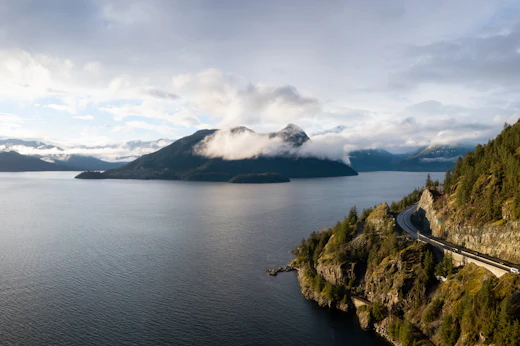
Whistler and the Sea-to-Sky Corridor - (125km/78 miles north, 2 hours via BC-99) North America's most visited ski resort is equally spectacular in summer. Whistler Mountain and Blackcomb Mountain (Peak 2 Peak Gondola $75 CAD, connecting two summits 436m above the valley floor), Whistler Village (pedestrian-only, shops and restaurants), Valley Trail (40km cycling and walking network connecting all lakes), Lost Lake (swimming, free), Brandywine Falls and Cheakamus Lake (day hikes from Whistler). Squamish (65km): world-class rock climbing on The Stawamus Chief (800m granite dome, three summits), Squamish Estuary (bald eagles October-February — largest winter concentration in the world), Sea-to-Sky Gondola ($47 CAD). Pemberton (160km): 30 minutes north of Whistler, farmland valley, Joffre Lakes Provincial Park (turquoise glacial lakes, 11km round trip, one of BC's most popular hikes, mandatory day-use reservation in summer at bcparks.ca). Campgrounds: Alice Lake Provincial Park ($35-45 CAD/night, Squamish), Riverside RV Resort (Whistler, $80-120 CAD/night, full hookups).
Tofino and Pacific Rim - (via BC Ferries to Nanaimo, then 315km, total 5-6 hours) BC's most iconic wild coast. Long Beach (16km of Pacific surf, accessible by RV with parking at Green Point), Tofino town (sea kayaking, whale watching March-October $85-110 CAD, Maquinna Marine Provincial Park hot springs via water taxi $30-40 CAD), old-growth rainforest (Ancient Cedars loop 5km near Ucluelet), surf lessons ($90-110 CAD). Ucluelet (45km south of Tofino): Wild Pacific Trail (cliff walk, ocean views, 10km), slightly less crowded than Tofino. Parksville and Qualicum Beach (halfway across island): excellent shallow warm swimming beaches, good family campgrounds. Green Point Campground (Parks Canada, $30-40 CAD/night, oceanfront, book via reservation.pc.gc.ca 6 months ahead). Best May-September for surfing and hiking; November-February for storm watching (dramatic waves, some of the most powerful Pacific swells on the coast).
Okanagan Valley - (390km/242 miles east, 4 hours via Coquihalla Highway BC-5 and BC-97C) British Columbia's wine country and sunniest region. Over 200 wineries from Osoyoos north to Vernon (Pinot Gris, Pinot Noir, Syrah — BC wines increasingly world-class), Okanagan Lake (75km long, swimming beaches at Kelowna, Summerland, Penticton), fruit stands along highway (cherries June-July, peaches August, apples September-October), Knox Mountain Park (Kelowna, hiking, lake views). Osoyoos: Canada's warmest and only desert, antelope brush ecosystem, Spotted Lake (unusual mineral lake, visible from road, privately owned but publicly visible). Kelowna: vibrant mid-size city, Mission Hill Winery (stunning architecture and views, $30-50 CAD tastings), Summerhill Pyramid Winery. Campgrounds: Okanagan Lake Provincial Park ($35-45 CAD/night, Summerland, lakefront). Best May-October; harvest season September-October for winery events.
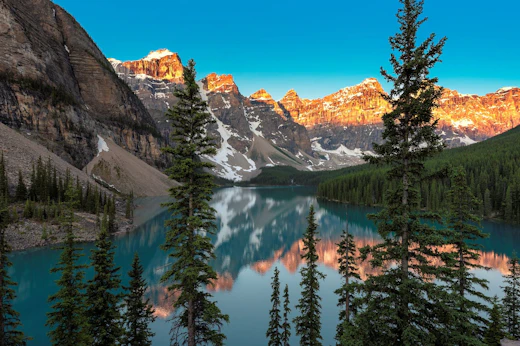
Banff and the Canadian Rockies - (850km/530 miles east, 8-9 hours via Trans-Canada Highway 1) Canada's most visited national park. Moraine Lake (book Parks Canada shuttle or arrive before 5am, parking fills completely by 6am in summer), Lake Louise (Plain of Six Glaciers hike, 3.4km to teahouse), Icefields Parkway (230km from Lake Louise to Jasper, 10 viewpoints, Columbia Icefield, Peyto Lake, Bow Lake), Banff town (Banff Upper Hot Springs $18 CAD, gondola $42 CAD, Banff Ave shopping), Johnston Canyon (stunning canyon walk, icicle displays in winter), Jasper (dark sky preserve, Maligne Lake boat tour $75 CAD, Athabasca Falls). Tunnel Mountain Village Campground (Banff, $30-45 CAD/night, 5km from town, open May-October, RV sites). Parks Canada Discovery Pass ($145 CAD/year) covers Banff, Jasper, Yoho, Pacific Rim, Gulf Islands on one pass. Reservations via reservation.pc.gc.ca 6 months ahead for prime summer sites.
Victoria and Southern Vancouver Island - (via BC Ferries Tsawwassen to Swartz Bay, 1h 35min, then 30km to Victoria) BC's capital. Inner Harbour (parliament buildings illuminated at night, float planes, whale watching $95-130 CAD, peak May-October), Butchart Gardens ($38-47 CAD, world-famous 22-hectare sunken garden, spectacular evening illumination), Royal BC Museum ($27 CAD), Beacon Hill Park (free, peacocks roam freely, ocean views), Fort Street antique shops, Chinatown (oldest in Canada, Fan Tan Alley). Day trips from Victoria: Sooke (East Sooke Regional Park, Mystic Beach, old-growth Douglas fir), Cowichan Valley (wine country, 60km north). Goldstream Provincial Park ($35-45 CAD/night, 20km from Victoria, old-growth forest, extraordinary salmon run October-November with hundreds of bald eagles). Cathedral Grove (giant 800-year-old Douglas fir, easy walk, free, on BC-4 to Tofino).
Sunshine Coast - (via BC Ferries Horseshoe Bay to Langdale, 40min, no reservations needed) Accessible but geographically separate from Metro Vancouver — feels remote despite proximity. Gibsons Landing (charming harbour town), Sechelt (arts community, Porpoise Bay Provincial Park camping $35-45 CAD/night), Powell River (Sunshine Coast Trail, 180km hiking trail, one of Canada's longest), Desolation Sound (world-class kayaking, warmest ocean water north of Mexico in summer, protected inlets reach 26°C). Best for kayakers, cyclists, and travelers wanting solitude without major park crowds.
Hope and the Fraser Canyon - (150km/93 miles east, 1.5-2 hours via Trans-Canada Highway 1) Gateway to BC's Interior. Hell's Gate (Fraser Canyon, airtram over narrowest point of canyon, $28 CAD, Class X rapids below), Othello Tunnels (historic Kettle Valley Railway tunnels through granite canyon, free, 2km walk), Bridal Veil Falls Provincial Park (easy 400m walk, 60m waterfall). Trans-Canada continues east to the Rockies through dramatic canyon scenery. Alternative route: Coquihalla Highway (BC-5, toll-free, faster, higher elevation — chains required in winter). Both routes accessible for RVs.
Roads vary considerably. BC-99 (Sea-to-Sky) is spectacular but has tight sections — manageable for most RVs up to 9m, caution required for longer vehicles. Trans-Canada Highway 1 is excellent throughout BC. Coquihalla Highway (BC-5) is fast and well-maintained but has steep grades and mandatory winter tires October-April. BC-3 through Manning Park is slower but scenic. Island Highway (BC-19) on Vancouver Island is good quality and multi-lane in most sections.
Here's what sets us apart:
Banff and Jasper National Parks: Dogs allowed in campgrounds and on frontcountry trails on leash. Not allowed on most backcountry trails or sensitive wildlife areas. Dogs permitted on Bow River Trail (Banff), Lake Louise lakeshore (short stretch), and Maligne Lake Road (Jasper on leash).
Pacific Rim National Park Reserve: Dogs allowed on Long Beach on leash and in campgrounds, but not on hiking trails (Rainforest Trail, Gold Mine Trail — no dogs). Ucluelet's Wild Pacific Trail (not national park) is dog-friendly on leash.
Garibaldi Provincial Park: Dogs technically allowed in provincial park but backcountry camping with dogs not recommended due to grizzly and black bear activity throughout the area.
BC Provincial Parks: Generally dog-friendly in campgrounds and on most trails on leash. Goldstream, Alice Lake, Cultus Lake, Porteau Cove all welcome leashed dogs. Some beach areas in provincial parks restrict dogs in summer.
Vancouver City Parks: Stanley Park allows dogs off-leash in designated areas between 6-10am and 5pm-dusk at designated locations. Most Vancouver beaches have specific off-leash times and zones.
Best dog-friendly stops near Vancouver: Porteau Cove Provincial Park (beach, on-leash trails, fjord views), Squamish Estuary trails (flat, easy, extraordinary bald eagle watching October-February), Pacific Spirit Regional Park (UBC area, extensive trail network, dogs on leash), Ambleside Park (West Vancouver, off-leash area, mountain and ocean views). Confirm pet policy when booking your vehicle.
July-September is ideal. Vancouver's coast has a reputation for rain similar to Seattle's, but BC summers are genuinely warm and mostly dry — the Interior and mountain regions especially. The key is knowing which destinations are weather-dependent and when mountain roads open.
Spring (March to May)
Temperatures: 8-16°C (46-61°F) in Vancouver, colder at altitude
Rainfall: Moderate to high on coast (80-120mm/month), drier in Interior
Shoulder season with mixed coast weather but excellent value. Vancouver itself turns green and flowers bloom by March — cherry blossoms (late March-early April, world-class display in Queen Elizabeth Park and neighbourhood streets). Manning Provincial Park accessible year-round at lower elevations. Garibaldi Provincial Park trails accessible from late May as snow melts. Whistler has late-season skiing through April. BC Ferries to Vancouver Island less crowded — no reservation issues in spring. Tofino spring (March-May): storm season tapering off, gray whale migration begins (March-April, $85 CAD tours). Joffre Lakes accessible from May (lower lake year-round, upper lakes clear of snow by June). Okanagan Valley (April-May): fruit trees blossoming, wineries reopening, fewer crowds. Victoria Day long weekend (late May) sees first campground rush of season — book ahead.
Best for: Tofino whale watching (March-April), Vancouver cherry blossoms (late March-early April), Okanagan spring, shoulder pricing, avoiding peak season crowds.
Summer (June to August)
Temperatures: 20-28°C (68-82°F) in Vancouver and Interior, 15-20°C (59-68°F) on coast and at altitude
Rainfall: Near zero in Interior (Okanagan, Kelowna), moderate on coast (Vancouver, Tofino), low in mountains
Peak season and BC at its best. All mountain roads open — Garibaldi, Joffre Lakes, Banff and Jasper fully accessible. Okanagan fruit season begins (cherries July, peaches August). Long Beach at Pacific Rim warm enough for surfing and beach camping. Garibaldi Lake hike at its finest (wildflowers, snow-free trail by July, turquoise water at peak clarity). Icefields Parkway spectacular in summer (open year-round but best July-September, all viewpoints accessible). July-September sells out fastest — book campgrounds 4-6 months ahead for prime BC Parks sites, Green Point (Pacific Rim), and Banff via Parks Canada. Celebration of Light fireworks (Vancouver, late July), Jazz Festival (June), PNE (August-September). BC wildfire smoke can affect Interior and mountain visibility in August (Okanagan, Kootenays) — monitor bcwildfire.gov.bc.ca. Book BC Parks via Discover Camping (camping.bcparks.ca) exactly 4 months ahead when your booking window opens.
Best for: Garibaldi Lake, Joffre Lakes, Banff and Icefields Parkway (all roads open), Okanagan beaches and wine, Long Beach camping, Whistler hiking and gondola, Gulf Islands warm water, maximum daylight (sunset 9:30pm in June), Vancouver festivals. July and August are the busiest months — reserve everything as early as possible.
Fall (September to October)
Temperatures: 12-20°C (54-68°F) Vancouver, 10-18°C (50-64°F) Interior, cooling in mountains
Rainfall: Increasing on coast from October, low in Interior through September
Exceptional early fall window. September is consistently one of the most popular months for Vancouver RV rentals. Okanagan wine harvest (September-October crush season, $15-25 CAD tastings, harvest events at most wineries), fall colors in the Rockies (larches turning gold in Banff, October — Larch Valley hike one of Canada's finest fall experiences, book Parks Canada campground months ahead), salmon runs (Goldstream Provincial Park October-November, thousands of chum salmon, bald eagles gathering — extraordinary free wildlife event). Crowds thin after Labour Day (first Monday in September), prices drop 20-30%. Tofino storm season begins October — dramatic Pacific swells draw storm watchers. Garibaldi Lake trail may get early snow by late October. Banff and Jasper roads remain open until November.
Best for: Okanagan wine harvest (September-October), fall larches at Banff (October), salmon run at Goldstream (October-November), fewer crowds, shoulder season pricing, Tofino storm watching (October-November).
Winter (November to February)
Temperatures: 2-8°C (36-46°F) in Vancouver (mild and rainy), well below freezing in mountains
Snowfall: Heavy in mountains, occasional in Vancouver (rare below 200m)
Off-peak for coastal travel but prime ski season. Whistler Blackcomb (November-April, one of North America's largest ski resorts, $60-150 CAD lift tickets depending on timing and advance purchase), Manning Park (cross-country and downhill skiing), Sun Peaks near Kamloops ($90-110 CAD). Vancouver itself mild and rainy — not ideal for camping but RV trips to ski resorts are viable and popular. Lowest rental prices (30-40% below summer), quieter campgrounds. Winter tires mandatory October 1-April 30 on most BC highways — confirm with rental company. BC Ferries to Victoria: no wait times in winter, off-peak rates. Holiday weeks (Christmas-New Year's, Family Day in February) see ski resort premium pricing and campground demand.
Best for: Whistler skiing, Manning Park cross-country skiing, dramatic coastal storms on Tofino, Vancouver city exploring (museums, markets, restaurants), experienced cold-weather campers.
Most popular months: July, August, September (65% of annual rentals).
BC Ferries: What You Need to Know Before You Go
BC Ferries operates 25 routes serving 47 terminals and is an essential part of any Vancouver Island, Gulf Islands, or Sunshine Coast itinerary by RV. "Taking an RV on the BC Ferry" and "Vancouver to Tofino RV ferry reservation" are among the most common questions from first-time visitors, here's everything you need to know before building ferries into your trip.
Which route to use:
Ferry costs by RV size (approximate, CAD — Vancouver Island main routes):
Horseshoe Bay to Langdale (Sunshine Coast):
Do I need to reserve a BC Ferry for my RV?
RV ferry tips:
3 to 5 Days
Sea-to-Sky and Whistler Loop (350km round trip, 3-4 days)
Victoria and Southern Vancouver Island (400km island driving plus ferries, 4-5 days)
Manning Provincial Park and Okanagan (800km round trip, 4-5 days)
7 to 10 Days
Vancouver Island Loop (1,000km island driving plus ferries, 8-9 days)
Vancouver to Victoria via Tsawwassen ferry (1 night: Butchart Gardens, Inner Harbour) to Cowichan Valley (1 night: wineries) to Parksville/Qualicum Beach (1 night: Cathedral Grove, beaches) to Tofino (3 nights: Long Beach, surfing, whale watching, rainforest hikes) to Campbell River via BC-28 (1 night: salmon fishing, Elk Falls) to return via Nanaimo to Vancouver
BC Rockies and Okanagan Loop (2,000km, 9-10 days)
Vancouver to Hope (1 night) to Manning Park (1 night) to Okanagan/Kelowna (2 nights: wineries, beaches) to Revelstoke (1 night: Revelstoke National Park, Meadows in the Sky Parkway) to Yoho National Park (1 night: Emerald Lake, Takakkaw Falls) to Banff (2 nights: Moraine Lake, Lake Louise, Icefields Parkway) to Calgary (one-way drop-off recommended — avoids 850km backtrack to Vancouver)
Sea-to-Sky and Gulf Islands (900km plus ferries, 7-8 days)
Vancouver to Squamish (1 night: Sea-to-Sky Gondola, Shannon Falls) to Whistler (2 nights: Peak 2 Peak, Valley Trail, Joffre Lakes day trip) to Pemberton (1 night: Nairn Falls) to return to Vancouver to Tsawwassen ferry to Salt Spring Island (2 nights: Saturday Market, Ruckle Park) to return to Vancouver via Swartz Bay to Tsawwassen ferry
14+ Days
BC Grand Loop (3,500km plus ferries, 14-16 days)
Vancouver to Whistler (2 nights) to Pemberton/Joffre Lakes (1 night) to Kamloops via Duffey Lake Road (1 night) to Okanagan/Kelowna (2 nights: wineries, beaches) to Revelstoke (1 night: Meadows in the Sky) to Yoho National Park (1 night: Emerald Lake) to Banff (2 nights: Moraine Lake, Lake Louise) to Icefields Parkway to Jasper (2 nights) to return via Yellowhead Highway to Kamloops to Vancouver. One-way drop-off in Calgary strongly recommended — avoids backtracking 850km from Jasper.
Vancouver Island Complete (1,800km island driving plus ferries, 14-16 days)
Vancouver to Victoria via Tsawwassen ferry (2 nights: Butchart Gardens, Inner Harbour, whale watching) to Cowichan Valley (1 night: wineries, farm stands) to Parksville (1 night: Cathedral Grove, beaches) to Tofino (3 nights: Long Beach, surfing, whale watching, Ucluelet Wild Pacific Trail) to Port Alberni (1 night: Alberni Inlet, salmon fishing) to Campbell River (1 night: Elk Falls, salmon runs in season) to Gold River (1 night: Nootka Sound sea kayaking) to Telegraph Cove (1 night: orca watching, Broughton Archipelago) to Port Hardy (1 night) to BC Ferries Discovery Coast Passage to Bella Coola (2 nights: Tweedsmuir Provincial Park, Freedom Highway BC-20) to return east via Williams Lake to Vancouver. This is one of the most extraordinary RV loops in Canada, the Bella Coola ferry and Freedom Highway are bucket-list calibre.
Pacific Coast to California (2,500km+, 14-16 days, one-way)
Vancouver to Tsawwassen ferry to Victoria (1 night) to Nanaimo ferry to Horseshoe Bay back to Vancouver (or skip Victoria loop) to Bellingham, WA (border crossing, passport required) to Olympic Peninsula, WA (2 nights: Hurricane Ridge, Hoh Rainforest, Rialto Beach) to Portland, OR (1 night) to Oregon Coast (2 nights: Cannon Beach, Crater Lake day trip, Heceta Head Lighthouse) to Redwood National Park, CA (1 night) to San Francisco (1 night) to Big Sur to Los Angeles (one-way drop-off recommended). Pacific Coast Highway south from Vancouver is one of the great RV road trips in the world.
Most travelers find 7-10 days ideal for a Vancouver base with one or two major destinations — either the Sea-to-Sky plus Gulf Islands, or Vancouver Island, or the Okanagan plus Kananaskis.
Fuel Stations
Petro-Canada - Most widespread fuel brand in BC, extensive Metro Vancouver coverage, reliable diesel, 24-hour at major locations
Shell - Strong Metro Vancouver presence, good Sea-to-Sky Highway coverage (Squamish, Whistler), diesel at most locations
Esso - Good coverage in Vancouver and suburbs, Trans-Canada corridor
Co-op Gas Bars - BC cooperative chain, competitive prices, linked to grocery fuel rewards, good suburban and Interior coverage
Costco - Cheapest fuel in Greater Vancouver (members only), $0.05-0.15 CAD/litre less than street price. Locations: Burnaby (Still Creek Dr), Richmond (No. 5 Rd), Coquitlam (Pinetree Way), Langley. Go weekday mornings — Friday afternoon queues are long.
Average diesel price: $1.75-2.10 CAD/litre (Metro Vancouver, among the highest in Canada due to BC provincial carbon tax and Metro Vancouver transit levy)
BC fuel notes:
Propane Refill Stations
U-Haul locations - Multiple Metro Vancouver locations (Burnaby, Coquitlam, Surrey, Langley, North Vancouver), $0.95-1.25 CAD/litre propane, open 7 days, RV-accessible, most convenient refill option before leaving the city
Squamish: Esso and independent hardware stores — good mid-trip propane stop on Sea-to-Sky corridor before Whistler
Port Alberni: Best propane stop before Tofino — fill fully here, no reliable propane in Tofino
Kamloops: Multiple propane refill locations (Co-op, U-Haul) — good refill point for Interior routes
Canmore and Banff: Shell and Esso in Canmore have propane — last reliable refill before Icefields Parkway
Camping World/Fraserway RV: Surrey and Abbotsford BC locations, full RV supply stores with propane, open 7 days
Propane notes: Essential in BC — powers fridge, stove, and heating. Nights in Banff, Jasper, and Manning Park campgrounds drop to 0-5°C even in July. No propane inside national parks. Typical RV tank 20-30 gallons (75-115 litres), costs $70-145 CAD to fill from empty in BC. Cold mountain nights consume propane significantly faster than summer camping at lower elevations.
Dump Stations
Capilano RV Park (North Vancouver): $10-15 non-guests, convenient Metro Vancouver location, open year-round
Dogwood Campsite (Chilliwack, 100km east): $10, Trans-Canada corridor, convenient for eastbound trips
BC Ferries terminals: Horseshoe Bay and Tsawwassen have no dump stations — plan accordingly before ferry crossings
Porteau Cove Provincial Park (Sea-to-Sky): $5-8, BC Parks, check availability seasonally
Alice Lake Provincial Park (Squamish): $5 fee, BC Parks
Green Point Campground (Pacific Rim): Parks Canada, $5-10, campers or day-use
Tunnel Mountain (Banff): $5-10 fee, Parks Canada
Most BC provincial park campgrounds allow non-guest dumps for $5-10. Call ahead to confirm availability.
Grocery Shopping: Stock Up Before You Leave Metro Vancouver
Grocery prices increase significantly once you leave Metro Vancouver. Whistler stores run 15-25% above Vancouver pricing. Tofino has limited selection at a premium. Banff townsite groceries are among the most expensive in Canada. Load up the RV in Vancouver before departure.
Best grocery options in Metro Vancouver:
Real Canadian Superstore (Loblaw chain): Best value for bulk provisioning. Full grocery range, household items, pharmacy. Locations in Burnaby, Surrey, and Coquitlam. Ideal for a full RV load-up the day before departure.
Costco (members only): Lowest per-unit prices on staples — paper goods, bulk snacks, frozen proteins, beverages, trail mix, and cooking oil. Diesel fuel at the lowest Metro Vancouver prices at the same location (combine the grocery run with a tank fill). Locations in Burnaby (Still Creek Dr), Richmond (No. 5 Rd), Coquitlam (Pinetree Way), Langley. Go weekday morning — weekend queues at fuel and checkout are long.
Save-On-Foods: BC-headquartered chain, widespread throughout the province. The most useful chain for on-the-road resupply — locations in Squamish, Kamloops, Kelowna, Nanaimo, Campbell River, and Canmore (Alberta). Fuel rewards program links to gas bar discounts. Buy a Save-On-Foods card in Vancouver and use it throughout BC.
Granville Island Public Market: Not for bulk provisioning — for the trip-start splurge. BC smoked salmon, farmhouse cheese, fresh-baked bread, seasonal local produce, charcuterie. Ideal for stocking a few exceptional meals at the beginning of a trip. Go early on weekdays (before 11am) — Saturday mornings are crowded.
T&T Supermarket (Burnaby, Richmond): BC's largest Asian supermarket. Outstanding value for fresh produce, frozen dumplings and wontons, noodles, sauces, and pantry staples. One of the most practical and cost-effective RV provisioning stops in Greater Vancouver.
Trader Joe's (North Vancouver, Burnaby): Useful for trail snacks, specialty pantry items, and affordable wine.
On-the-road grocery logistics:
Fuel Price Comparison: Vancouver vs. Key Destinations
Costco in Metro Vancouver (Burnaby, Richmond, Coquitlam, Langley) saves $0.05-0.15 CAD/litre against street prices. A full RV tank at Costco before departure can save $15-25 CAD over filling at a highway station. Members only.
Helpful Apps
Requirements
What's Included
Seasonal Considerations
Is Vancouver a Good Starting Point for an RV Trip?
Yes, without qualification. Vancouver is the best RV departure point in western Canada and one of the strongest in North America. The city sits where the Pacific Coast, Coast Mountains, and BC's Interior converge — meaning your first day's drive can take you to fjord-edge campgrounds on Howe Sound, glacial lake hiking at Garibaldi, BC wine country in the Okanagan, or the wild Pacific surf of Tofino via BC Ferries. No other Canadian city puts this range of world-class destinations within a single rental week.
The BC Ferries network opens Vancouver Island without a bridge — adding 450km of Pacific coastline, ancient old-growth forest, and Victoria's Inner Harbour as a separate region entirely. One-way rentals to Calgary unlock the full Canadian Rockies corridor (Yoho, Banff, Icefields Parkway, Jasper) in sequence, without doubling back a mile. For RV travel, Vancouver's combination of route diversity, natural park access, and ferry connectivity is matched by very few cities on earth.
Top Mistakes to Avoid in Vancouver
Not booking BC Ferries vehicle reservations for summer crossings. Friday afternoons to the island and Sunday evenings back to the mainland are the most congested ferry crossings in BC. Without a reservation on Horseshoe Bay to Departure Bay or Tsawwassen to Swartz Bay routes, expect 2-4 sailing waits on summer weekends. Book at bcferries.com weeks to months ahead for July-August travel.
Boarding with propane on. BC Ferries enforces this — arrive at the terminal with propane turned off at the tank valve. This is not optional: you will not be permitted to board if propane is on.
Not fuelling in Port Alberni before Tofino. Highway 4 has no fuel between Port Alberni and Tofino (90km). Tofino fuel costs $0.40-0.60 CAD/litre more than Port Alberni. Fill completely in Port Alberni on every visit.
Not booking Joffre Lakes day-use in advance. One of BC's most photographed hikes and one of the fastest-filling day-use reservations in the province. Without a parking reservation at camping.bcparks.ca ($10 CAD), you will be turned away at the gate in summer. Book before you leave Vancouver.
Underestimating Metro Vancouver traffic on Fridays and Sundays. Highway 1 through the city is one of the most congested corridors in Canada. Summer Friday afternoon departures and Sunday returns can add 1-2 hours to your trip. Leave before 11am or after 7pm on Fridays; before 3pm or after 8pm on Sundays.
Forgetting to download offline maps before leaving. Parks Canada app, Google Maps offline, and Gaia GPS maps should all be downloaded in Metro Vancouver. Highway 4 to Tofino, Garibaldi Provincial Park, Joffre Lakes, and all Rockies parks have essentially no cell service. Download everything before you leave the city.
What to Pack for a Vancouver RV Trip
BC's climate spans temperate coastal rainforest, alpine tundra, and desert Interior — sometimes on the same week-long trip. Pack for all three.
Clothing (layers are the foundation):
Footwear:
Sun protection (UV is higher than expected, especially in the Okanagan):
Bear and wildlife safety:
RV-specific for BC:
Speed Limits
Freeways and highways: 100-110 mph on major BC highways (Trans-Canada 110 mph in some sections, Sea-to-Sky 80-90 mph)
Rural two-lane: 80 mph
Urban streets: 50 mph
School zones: 30 mph when lights flashing
National and provincial parks: 80 mph maximum
BC RCMP and Conservation Officers active. Speed camera enforcement on some BC highways. Speeding fines $138-483 CAD depending on speed over limit.
Road Conditions
Excellent: Trans-Canada Highway 1 (Metro Vancouver east to Hope and beyond), Coquihalla Highway BC-5, Island Highway BC-19 (most of Vancouver Island)
Demanding for large RVs: Sea-to-Sky Highway BC-99 (tight sections), Highway 4 to Tofino (narrow, switchbacks, logging truck traffic), Duffey Lake Road BC-99 north of Pemberton (not recommended over 9m), Top of the Coquihalla in winter (steep and high altitude)
Seasonal closures: Highway 40 in Kananaskis (if extending into Alberta), some Garibaldi access roads in winter, Forbidden Plateau Road (Strathcona, winter)
Check DriveBC (drivebc.ca) before all mountain and coastal routes — real-time conditions, closures, and chain requirements.
Driving Culture
BC drivers generally courteous. Right lane for slower traffic, left for passing on highways. Slower-moving RVs: use pull-outs on Sea-to-Sky and Highway 4 to let vehicles pass — pull-outs are frequent and expected. Logging trucks have right-of-way on active logging roads (flash headlights once to acknowledge). Never stop on highway for wildlife — use pull-outs.
Miles not miles: All Canadian signs in miles. Speed limits in mph. US visitors: 100 mph = 62 mph, 110 mph = 68 mph, 80 mph = 50 mph.
Alcohol Limit
0.08% BAC — same as US federal standard. BC also has a 0.05% administrative driving prohibition where police can immediately suspend licence. Never drink and drive.
RV-Specific
Height: Know your vehicle height (typically 2.7-3.4m/9-11 feet). Vancouver parkades are unsuitable — use designated RV campgrounds and walk or use transit into the city. Stanley Park parking lots are RV-accessible (surface level).
BC Ferries: Know your exact vehicle length including any tow or overhang — charges by vehicle length over 7m. Turn off propane at tank before boarding. Arrive 30-45 minutes before sailing if reserved, 60 minutes if standby.
Mountain driving: Use engine braking on descents (Sea-to-Sky southbound, Coquihalla descents, Highway 4 into Port Alberni). Never ride brakes on extended grades — pull over if brakes smell hot.
Tides on coastal routes: Pacific Rim camping areas have significant tidal variation — park RV above high tide line in beach-adjacent camping. Check tide tables (tides.gc.ca) before setting up in coastal areas.
RV rental: $1,000-2,100 CAD (varies by season and vehicle size — Vancouver rentals among highest in Canada due to demand)
Fuel: $350-560 CAD (diesel $1.75-2.10 CAD/litre, higher than Alberta, 1,000-1,200km typical week, 10-14L/100km = 100-170 litres)
Propane: $50-100 CAD (higher in coastal and mountain conditions)
Parks Canada Discovery Pass: $145 CAD/family (covers Pacific Rim, Gulf Islands, Yoho, and all Rockies parks — strongly recommended)
BC Ferries (if including Vancouver Island): $140-400 CAD round trip depending on vehicle length (Horseshoe Bay to Departure Bay or Tsawwassen to Swartz Bay return, 2 adults, mid-size RV)
Campgrounds: $210-315 CAD ($30-45 CAD/night x 7, BC Parks and Parks Canada campgrounds)
Food: $315-630 CAD (groceries vs. restaurants — Vancouver and Whistler restaurants $35-70 CAD/person, Tofino similar premium, cooking in RV essential for budget control)
Activities: $200-500 CAD (Sea-to-Sky Gondola $47, Peak 2 Peak Whistler $75, Butchart Gardens $47, whale watching $95-130, Long Beach sea kayaking $90, Garibaldi gondola day-use, Joffre Lakes free but reservation required)
Bear spray: $15-50 CAD (rental or purchase — recommended for Sea-to-Sky backcountry and Garibaldi)
Total estimates:
BC campground costs are higher than Alberta but the included experiences (oceanfront at Green Point, mountain fjord at Porteau Cove, old-growth at Goldstream) justify the premium. The Parks Canada Discovery Pass ($145 CAD) is non-negotiable for any itinerary including Pacific Rim and the Rockies.
Vancouver to Calgary (1,050km, 10-11 hours direct via Trans-Canada, allow 5-7 days via Banff and Yoho) - Whistler, Duffey Lake Road, Kamloops, Revelstoke, Yoho National Park, Banff, Icefields Parkway to Calgary. One of the great Canadian one-way RV routes.
Vancouver to Seattle (230km, 2.5 hours via I-5, allow 2-4 days, passport required) - Easy US border crossing at Peace Arch (Blaine, WA), straightforward customs for leisure travelers
Vancouver to Portland (560km, 5.5 hours via I-5, allow 3-5 days, passport required) - Seattle, Mount Rainier or Olympic Peninsula, Portland
Vancouver to San Francisco (1,600km, 16 hours direct via I-5, allow 7-10 days via coast) - Pacific Coast Highway route via Olympia, Oregon Coast, Redwood National Park, San Francisco
One-way fees vary significantly. Confirm one-way availability and fees when booking.
Vancouver is the gateway to British Columbia's wilderness, and BC is the most diverse outdoor destination in Canada. Within a single tank of fuel, you can be in alpine glacier country (Garibaldi), old-growth coastal rainforest (Tofino), wine country desert (Okanagan), or the most spectacular mountain highway on earth (Icefields Parkway, via Calgary). No city in Canada, and few cities on earth, offers this concentration of world-class natural destinations within a week's driving range.
The Sea-to-Sky Highway to Whistler alone is reason enough. The BC Ferries network opens Vancouver Island — 450km of coastline, ancient forest, wild Pacific surf, and one of the continent's finest small cities in Victoria, without a bridge. And one-way rentals to Calgary let you drive the Canadian Rockies in sequence: Yoho, Banff, Icefields Parkway, Jasper, without doubling back a single mile.
September is consistently one of the most popular months for Vancouver RV rentals. Okanagan wine harvest peaks, Banff larch colours are at their finest within day-trip distance, crowds thin after Labour Day, Tofino storm season begins its dramatic Pacific swells, and the salmon run at Goldstream Provincial Park (October) offers one of the most extraordinary free wildlife events in Canada.
Over 15,000 travelers rented RVs from Vancouver last year. Find your RV and start planning your BC road trip.
In general, a special licence is not required to rent our RVs in Vancouver. However, a valid driving license is required to operate our vehicles. For some non-EU citizens, a IDP is required, in addition to their home country's drivers licence. Other considerations such as a valid vehicle licence to the vehicle type (manual or automatic) will also be required. For more information regarding our licence requirements read this.
Yes, our RVs are pet-friendly. Just make sure to purchase the extra cleaning service during your booking. This service includes professional anti-allergic cleaning after your trip. Please note that only one pet is allowed per motorhome, and it must weigh no more than 30kg. Keep in mind, we are not responsible for any legal fees related to traveling with your pet. For marketplace bookings, check the "vehicle rules" section for the pet-friendly icon to confirm if pets are allowed in that specific vehicle.
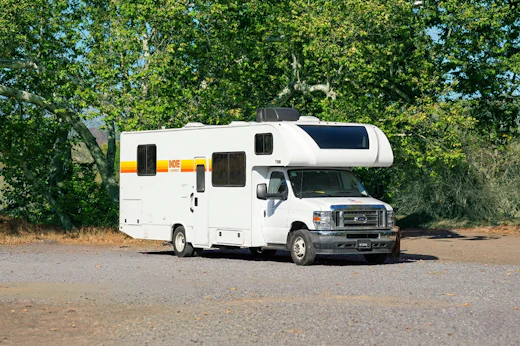
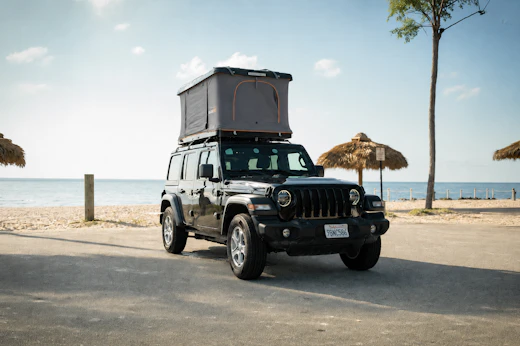
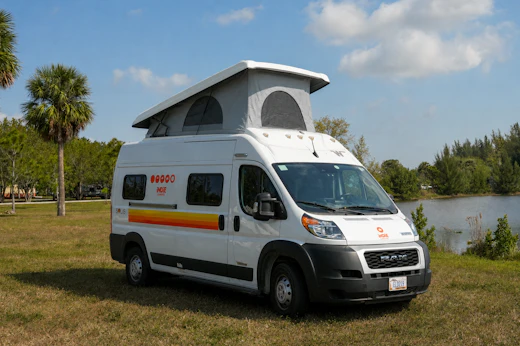
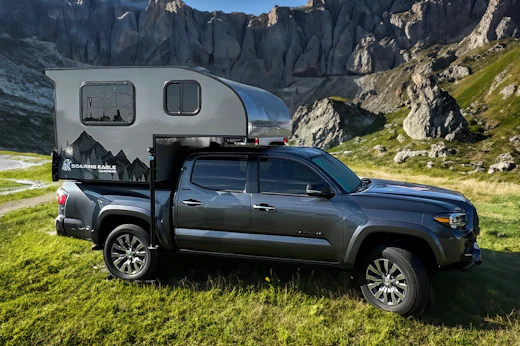
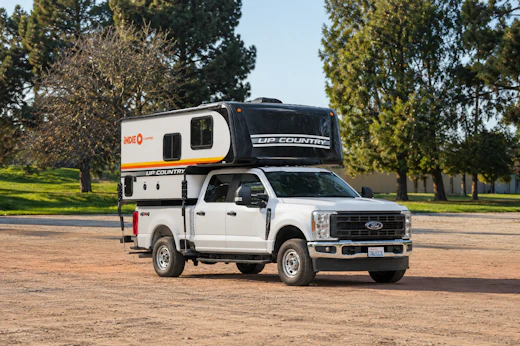
The number of people who can sleep in our RVs will depend on the size of the vehicle and the model. In general, our class C motorhome models can sleep up to 4-8 people, whereas our class B motorhomes can sleep up to 2-4. For cars with a rooftop tent, around 2 people can sleep in this vehicles. More details on our models and sleeping capacities can be found here.
If you are travelling in an RV, motorhome or caravan around Vancouver, it is important to understand official camping rules of the country you are visiting. As natural areas are generally protected by laws, using an official campsite or designated overnight parking area is highly recommended. This helps protect local communities and ensures you can all enjoy safely. Read more safety tips and protocols here.
We offer three protection plans to cover incidents and damages during your rental period. All Indie Campers motorhomes come with insurance for third-party vehicles and property damage (valid insurance will depend on the country). For marketplace vehicles, insurance options may vary based on the host.
Learn more about our protection plans here.
Yes, our search filter allows you to find an RV near your location using a 60km radius system. This means depending on the location you are searching from, you will be able to find an Indie campervan rental pick-up center near you.
Yes, a selected number of Indie Campers RV rentals in Vancouver include unlimited mileage, allowing you to explore freely and make the most of your road trip! Please note that unlimited mileage applies exclusively to Indie Campers RVs and is subject to responsible use.

RVs, Motorhomes & Campervans for Every Kind of Traveller
/night
/night

/night
/night
/night

/night

/night
/night
Our Road Trips Itineraries
“Great experience although you need to make sure your baby chair fits before pick up as we had to buy a new one that fitted as indie campers didn’t have one that fitted either, but overall would recommend Indie campers, also there was no need for us to pay extra for a generator as it was already installed in the van, but it was promptly refunded to us. Great service on online chat as well very quick to respond.”
“Had an amazing experience and would highly recommend to anyone!”
“Everything was perfect. The only downside was that the roof tent got quite damp inside due to the cold weather. It wasn't an issue as I managed to find accommodation. Overall, a 10/10 experience.”