Norway's road trip geography is built on a single geological fact: the last Ice Age carved 1,190 fjords into a coastline that, measured with every inlet included, runs 100,915km, longer than the distance from the Earth to the Moon and back with room to spare. Within 385,207km² of mainland territory, a campervan can cover the turquoise-orchard shoreline of the Hardangerfjord, the 1,308-metre vertical granite face of the Aurlandsfjellet Snow Road, the Arctic tundra where 300 free-ranging musk oxen graze the Dovrefjell plateau, and the northern lights over Tromsø at 69 degrees latitude, all without leaving a single connected road network. The country holds 47 National Scenic Routes covering 2,750km of purpose-built viewpoint architecture, 47 national parks, and Allemannsretten, a legal right of universal access that permits camping on uncultivated land almost anywhere in the country. No European country combines this density of protected, dramatic, road-accessible landscape with this degree of legal freedom to sleep in it.
Three drives anchor the national road trip identity. The Western Fjords circuit (roughly 700km connecting the Hardangerfjord, Sognefjord, and Nærøyfjord from Bergen) is the most internationally recognized, threading UNESCO World Heritage waterways, the Flåmbanen railway, and Norway's highest mountain pass roads. The Trollstigen to Atlantic Road corridor (roughly 350km from Åndalsnes to Kristiansund) covers the country's most famous single stretches of engineered road: an 11-hairpin mountain ascent and an 8.3km series of bridges across the open Norwegian Sea. The E6 Arctic corridor (roughly 1,750km from Trondheim to Tromsø) is the long-haul route, running the full length of the country through the Helgeland coast, the Arctic Circle crossing, and the Lofoten Islands. Indie Campers operates four depots in Norway: Bergen, Oslo, Trondheim, and Tromsø. That spread places every one of these three defining routes within a single day's drive of a depot, and makes Norway one of the only countries where a one-way rental genuinely replaces round-trip backtracking rather than just saving a return drive.
Norway works for campervans in a way few countries can match, because the alternative is either impractical or extraordinarily expensive. Fjordside hotels charge NOK 1,500 to 3,800 a night in July; a formal campsite pitch runs NOK 200 to 500, and Allemannsretten permits free overnight stays on uncultivated outfield land across most of the country, a right written into Norwegian custom for centuries and formalized in the 1957 Outdoor Recreation Act. Add a road network that, despite its mountains and fjords, is consistently well-engineered and well-maintained even at 1,400 metres, a vehicle ferry system that functions as an extension of the road grid rather than a barrier to it, and a campground and Allemannsretten combination that removes accommodation as a limiting factor almost anywhere in the country, and the case for a campervan over a fly-drive-hotel itinerary is not a marginal one. It is close to the only way to see the country properly.


Our Road Trips Itineraries
Norway's most significant landscapes are, by design, not where the hotels are. The Hardangervidda plateau, Europe's largest mountain plateau at 8,000km², has no town at its centre. The Nærøyfjord, the narrowest branch of the Sognefjord and a UNESCO World Heritage Site, is flanked by farms and waterfalls with a combined permanent population in the low hundreds. The Dovrefjell-Sunndalsfjella National Park, the only place in mainland Europe where musk oxen roam free, has its guided safari departure point at a single road junction with no accommodation within 30km. An RV removes the constraint that forces most visitors to see these places as a rushed midday stop between two hotel nights in Bergen and Oslo; it lets you sleep at 1,000 metres on the Dovrefjell plateau under 20 hours of June daylight, or wake up at the Gjendesheim trailhead ready to walk the Besseggen ridge before the day-trip crowds arrive from Oslo.
The cost case is direct and Norway-specific, because Norwegian hotel and restaurant pricing sits among the highest in Europe while campsite and Allemannsretten camping costs do not scale the same way. A July hotel night in Bergen, Oslo, or Tromsø runs NOK 1,500 to 3,800; a full-hookup campsite pitch at Flåm, Eidfjord, or Geiranger runs NOK 200 to 500, and a legal Allemannsretten position on the open fell costs nothing. Applied across a 10-night circuit, that differential alone can be worth NOK 13,000 to 33,000, before accounting for the cost of self-catering versus restaurant dining, which in Norway is a materially larger gap than in most of continental Europe given how expensive eating out is nationally.
Norway's infrastructure for this kind of travel is genuinely mature, not merely tolerant of it. The road network, including the 18 National Scenic Routes purpose-built with rest areas, viewpoint architecture, and interpretive signage, is engineered to a high standard even on mountain passes above 1,300 metres. The vehicle ferry network, run by Fjord1, Norled, and Torghatten Nord, operates on frequent, largely reliable schedules that function as road extensions rather than obstacles. Allemannsretten is a genuine, actively used legal right rather than a tolerated grey area, codified in the Outdoor Recreation Act and understood by every Norwegian as a basic civic norm. Combined with a campsite network (Camping.no lists over 900 registered sites) that covers even remote fjord and Arctic locations, Norway is set up for campervan travel more completely than almost anywhere else in Europe.
Here's what sets Indie Campers apart from other Norway rental companies:
Unlimited mileage — Drive the full Oslo to Tromsø traverse (over 2,000km) or the complete Western Fjords circuit without watching the odometer. Most competitors cap you at 200-250km per day.
4 pickup locations across Norway — Start in Bergen and end in Tromsø. Pick up in Oslo and drop off in Trondheim. No backtracking required across a country where distances are genuinely long.
One-way rentals across our full network — Extend your Norway trip into Sweden, Denmark, or the broader European network with one-way options.
24/7 road assistance — Included on every booking, regardless of where in the country you are when something goes wrong, a genuinely relevant consideration on the Dovrefjell plateau or the Lofoten interior.
Basic Protection Plan included — Covered from day one. Optional upgrades available.
Flexible cancellation available — Cancel up to 31 days before pickup without penalty, useful given how much Norwegian mountain weather and seasonal road openings can shift an itinerary.
Book now, pay later — Secure your dates today; full payment isn't due until closer to departure.
The Western Fjords Circuit (700km, 7-10 days recommended)
Start: Bergen → End: Bergen (loop)
Passes through: Voss, Gudvangen, Flåm, Aurland, Lærdal, Eidfjord, Kinsarvik
The defining Norwegian fjord itinerary, connecting the Hardangerfjord, Sognefjord, and Nærøyfjord in a single loop from Bergen. The route runs the Nærøyfjord sightseeing boat from Gudvangen, the Flåmbanen railway to Myrdal, the Aurlandsfjellet Snow Road to the Stegastein viewpoint, and the Hardangerfjord's orchard-lined shore back to Bergen. No other Norwegian route packs this density of UNESCO landscape and National Scenic Route architecture into a single week.
Highlights: Stegastein viewpoint (650-metre drop to the Aurlandsfjord); Vøringsfossen waterfall; the Hardanger fruit blossom in season
Best season: June through August; May for the blossom without summer crowds
One-way option: No, standard loop from Bergen depot
The Arctic One-Way: Trondheim to Tromsø (1,750km, 14-18 days recommended)
Start: Trondheim → End: Tromsø
Passes through: Mo i Rana, the Arctic Circle Centre, Bodø, the Lofoten Islands, Narvik
The long-haul Norwegian road trip, running the full length of the country's Arctic coast. The route crosses the Arctic Circle at the Polarsirkelsenteret, passes the Saltfjellet-Svartisen glacier, crosses to the Lofoten Islands via the Bognes-Lødingen or Bodø-Moskenes ferry, and finishes along the dramatic Ofotfjord approach to Narvik and on to Tromsø. This is the single most demanding itinerary in the Norwegian network by distance, and the one most travellers extend an existing circuit into rather than start from scratch.
Highlights: The Lofoten fishing villages of Reine and Henningsvær; the Saltfjellet-Svartisen glacier arm at Engenbreen; the Ofotfjord approach to Narvik
Best season: June through August for full road and ferry access and the midnight sun
One-way option: Yes, this is itself the one-way route between the Trondheim and Tromsø depots
The Full Western Norway Arc: Bergen to Oslo (500km, 10-12 days recommended)
Start: Bergen → End: Oslo
Passes through: Voss, Flåm, Aurland, Lærdal, Filefjell, Fagernes
The cross-country one-way connecting Norway's two southern depots via the full Sognefjord and Nærøyfjord system, then east over the Filefjell plateau (1,389m) into the Valdres region and down to Oslo. This route allows a single itinerary to cover the western fjord classics and the Oslo mountain approach without retracing any ground.
Highlights: Nærøyfjord and Flåmbanen; the Stegastein viewpoint; the Filefjell National Scenic Route descent to Lærdal
Best season: Late May through September; the Filefjell crossing opens later than the lowland routes
One-way option: Yes, Bergen depot to Oslo depot
Røros and the Dovrefjell Musk Ox Circuit (450km, 6-8 days recommended)
Start: Trondheim → End: Trondheim (loop)
Passes through: Røros, Oppdal, Hjerkinn, the Gauldalen valley
Central Norway's cultural and wildlife circuit: the UNESCO copper mining town of Røros, unchanged in street plan since 1646, followed by the Dovrefjell-Sunndalsfjella National Park, the only place in mainland Europe with a free-ranging musk ox population. The Gauldalen valley return route via the RV30 avoids retracing the E6.
Highlights: The Røros Smelthytta museum; the guided Dovrefjell musk ox safari from Hjerkinn; the Gaula salmon river
Best season: Late June through September for the musk ox safari season; September and October for Røros plateau autumn colour
One-way option: No, standard loop from Trondheim depot
Oslo to Jotunheimen and the Besseggen Ridge (600km, 7-9 days recommended)
Start: Oslo → End: Oslo (loop)
Passes through: Lillehammer, Otta, Lom, Gjendesheim, Fagernes
The most accessible high-mountain circuit from any Norwegian capital city. The route covers the Galdhøpiggen summit hike from Juvasshytta, the Besseggen ridge walk from Gjendesheim, and the Sognefjellet or Filefjell mountain crossings, all reachable within a day of Oslo without requiring a single ferry.
Highlights: The Besseggen ridge (15km, 1,743m, the Gjende and Bessvatnet lakes on either side); Galdhøpiggen, the highest point in northern Europe; the Sognefjellet National Scenic Route
Best season: Mid-June through September; the Besseggen ridge is unsafe before early June due to snow
One-way option: No, standard loop from Oslo depot; extendable into a Bergen one-way via the Sognefjellet crossing
The Full Norwegian Arc: Oslo to Tromsø (approx. 2,000km, 21+ days recommended)
Start: Oslo → End: Tromsø
Passes through: Lillehammer, Trondheim, the Helgeland coast, the Arctic Circle, Lofoten, Narvik
The complete national traverse, combining the Oslo mountain approach, the Gudbrandsdalen valley, Trondheim and the Dovrefjell, and the full Arctic coast to Tromsø. This is the itinerary for travellers with three weeks or more who want to experience the country's full geographic range in a single continuous drive rather than a regional loop.
Highlights: Jotunheimen; the Dovrefjell musk ox safari; the Lofoten Islands; the Arctic Circle crossing
Best season: June through August for full access across every leg
One-way option: Yes, Oslo depot to Tromsø depot
Spring (March through May)
National picture: Lowland roads and the southern coastal regions are accessible from April, but nearly every mountain pass road above 1,000 metres remains closed. This is Norway's quietest and cheapest season, with the exception of the Hardanger fruit blossom, which is a genuine springtime draw in its own right.
Regional variation:
Best for: Photographers targeting the Hardanger blossom; budget travellers; anyone prioritising uncrowded roads and campsites over full mountain access
Skip if: Your itinerary depends on any high mountain pass road, the Besseggen ridge, or the Dovrefjell musk ox safari
Booking note: Campsites are bookable with minimal lead time in spring outside the Easter week, which moves annually and fills lowland sites regardless of date
Summer (June through August)
National picture: The full national road and ferry network is open, every National Scenic Route is accessible, and the midnight sun runs from late May through late July above the Arctic Circle. This is Norway's peak season by a wide margin and the only window in which every region of the country is simultaneously at full access.
Regional variation:
Best for: First-time visitors; families with school-age children; anyone wanting guaranteed access to every route in a single country-wide itinerary
Skip if: Avoiding peak crowds and peak pricing at Geiranger, Flåm, and the Lofoten villages is a priority; June and late August offer nearly identical access at a fraction of the pressure
Booking note: Book Geiranger, Flåm, and Lofoten campsites and all Sognefjord and Hardangerfjord ferry vehicle deck spaces 3 to 6 months ahead for any July or August departure
Autumn (September through October)
National picture: Arguably the best season for experienced Norway travellers. The birch forest across the Hardangervidda, Røros plateau, and Rondane turns gold from mid-September, campsite rates and pressure drop sharply, and the weather remains workable through most of September before the first Atlantic storms arrive in October.
Regional variation:
Best for: Photographers; travellers wanting full route access with 30 to 40% fewer visitors than July; the beginning of the northern lights season in the Arctic
Skip if: Your itinerary requires the Trollstigen, Geiranger, or any high mountain pass in October; most close by late October
Booking note: 4 to 8 weeks ahead is typically sufficient outside the far north; northern lights season Lofoten and Tromsø trips benefit from earlier booking given growing demand
Winter (November through February)
National picture: Most fjord and mountain routes are closed or require winter-specific equipment; this is a genuinely different type of trip focused on Bergen, Oslo, and Tromsø as functioning Norwegian cities, the northern lights, and the Christmas market season.
Regional variation:
Best for: Northern lights specifically; Christmas market season in Bergen and Oslo; the Rørosmartnan winter market
Skip if: Any itinerary requiring the western fjord high routes, the full Lofoten circuit, or extensive outdoor camping without confirmed open campsites
The most popular months for Norway campervan rentals are June, July, and August.
7 to 10 Days: One Region in Depth
A week is enough to properly cover one Norwegian region: the Western Fjords from Bergen, the Jotunheimen and Telemark circuit from Oslo, the Røros and Dovrefjell circuit from Trondheim, or a first look at the Lofoten Islands from Tromsø. It is not enough to connect two regions without turning the trip into a series of long transit days; be honest that Norway's driving distances, even on well-engineered roads, are longer in practice than the map suggests once ferry crossings and mountain pass driving speeds are factored in.
Best approach: One iconic named route from start to finish
Day 1: Bergen depot → provision and city walk → overnight Lone Camping, Bergen
Day 2: Bergen → Norheimsund → Eidfjord (150km via RV7, approximately 2 hours), Vøringsfossen waterfall, overnight Eidfjord Camping
Day 3: Eidfjord → Voss → Gudvangen (120km via RV13, approximately 1 hour 45 minutes), overnight Gudvangen Camping
Day 4: Gudvangen → Nærøyfjord sightseeing boat → Flåm → Flåmbanen railway, overnight Flåm Camping
Day 5: Flåm → Aurland → Stegastein viewpoint → Lærdal (50km via RV243, approximately 1 hour 30 minutes), overnight near Lærdal
Day 6: Lærdal → Borgund Stave Church → return toward Hardangerfjord approach, overnight Eidfjord Camping
Day 7: Eidfjord → Kinsarvik → Norheimsund → Bergen (130km via RV7, approximately 2 hours)
Day 8: Bergen city morning, return vehicle
Røros and Dovrefjell Circuit (450km, 7 days)
Day 1: Trondheim depot → provision, city walk, overnight Trondheim Camping
Day 2: Trondheim → Røros (150km via RV30, approximately 2 hours), overnight Røros Camping
Day 3: Røros → Oppdal (130km via RV30 and E6), overnight Oppdal Camping
Day 4: Oppdal → Hjerkinn → guided Dovrefjell musk ox safari, return Oppdal
Day 5: Oppdal → Trollheimen approach → Kristiansund and the Atlantic Road (approximately 2 hours 30 minutes)
Day 6: Kristiansund → Molde → return toward Trondheim
Day 7: Return Trondheim depot
14 to 16 Days: Two Regions or One Full Circuit
Two weeks allows the combination of two connected regions, or the full traverse of one long corridor: Bergen to Oslo via Jotunheimen and the Sognefjord, or Trondheim to Bergen via the Atlantic Road, Trollstigen, and Geirangerfjord. This is also the minimum realistic window for a first look at Lofoten combined with the mainland Arctic coast from Tromsø.
Trondheim to Bergen: The Atlantic Road, Trollstigen, and Fjord Arc (1,200km, 14 days)
Days 1-3: Trondheim, Røros, Oppdal, and the Dovrefjell musk ox safari, as above
Day 4: Oppdal → Kristiansund via Trollheimen and the RV70 (approximately 2 hours 30 minutes)
Day 5: Kristiansund → Atlantic Road → Molde
Day 6: Molde → Åndalsnes → Trollstigen (11 hairpins, maximum 12.4m vehicle length)
Day 7: Åndalsnes → Geiranger via the Eagle Road, overnight Geiranger Camping
Day 8: Geiranger full day, Seven Sisters waterfall boat, Dalsnibba plateau road
Day 9: Geiranger → Sognefjord via the Gaularfjellet National Scenic Route
Days 10-13: Sognefjord, Nærøyfjord, Flåm, and Aurland, as per the Western Fjords itinerary
Day 14: Return Bergen depot
21 Days or More: The Full Norwegian Traverse
A three-week itinerary uses all four depots as the network was designed to be used: pick up in Oslo, drive north through Jotunheimen and the Gudbrandsdalen to Trondheim (4-5 days), cover Røros and the Dovrefjell (3-4 days), continue the E6 north through the Helgeland coast and the Arctic Circle to Bodø and the Lofoten Islands (6-8 days), and finish in Tromsø (3-4 days). Total driving distance is approximately 2,300 to 2,600km with regional detours. No backtracking; each depot is a natural handoff point on the north-south corridor.
Southeast Norway
Western Norway
Central Norway
Northern Norway
Minimum age: 21 years. Confirm any young driver surcharge at the time of booking.
License requirements: EU and EEA licenses are valid in Norway without an IDP. Non-EU/EEA holders should carry a 1968 Vienna Convention IDP alongside their national license. UK license holders should verify current short-term validity rules at gov.uk/driving-abroad before departure.
Credit card and deposit: A credit card in the primary driver's name is required at pickup. The deposit amount varies by vehicle class and protection plan; confirm the exact figure during booking.
AutoPASS toll transponder: Register the vehicle at pickup via autopass.no. The Oslo, Bergen, and Trondheim toll rings charge on every city entry, and unregistered vehicles are invoiced separately with an administrative surcharge.
National park and attraction passes: Norway has no unified national park pass; all national parks and National Scenic Route viewpoints are free to enter. Individual guided activities (musk ox safaris, glacier walks) and railways (Flåmbanen) are ticketed separately with no combination pass available.
Campsite and ferry booking: Book Geiranger, Flåm, and any Lofoten-area campsites, plus Sognefjord and Hardangerfjord ferry vehicle deck spaces, 3 to 6 months ahead for July and August departures. Shoulder season bookings can typically be made 4-8 weeks out.
Fuel and route planning: Fill up before entering any mountain plateau or fjord interior circuit; fuel stations can be 60-80km apart on routes like the Hardangervidda crossing or the Dovrefjell plateau.
License and Age Requirements
Minimum rental age for Indie Campers in Norway: 21 years. EU and EEA license holders may drive in Norway without an International Driving Permit through the mutual recognition framework. Non-EU/EEA visitors should carry an IDP issued under the 1968 Vienna Convention alongside their national license; Norway recognises this convention and IDPs are not available at Norwegian airports or rental counters, so arrange one before departure. UK license holders may drive in Norway for short-term visits without an IDP;
Norway drives on the right; gear shifts and controls follow continental European standards.
Speed Limits
Toll Roads
Norway operates a national electronic tolling system (AutoPASS) covering city entry rings (bomringer) in Oslo, Bergen, and Trondheim, plus individual bridge, tunnel, and road tolls across the network, including the Hardangerbrua bridge and numerous E16 and E39 points. There are no toll booths; all charges are collected automatically via number plate recognition. Register an AutoPASS transponder or account before or at pickup to avoid per-passage administrative surcharges; unregistered vehicles are invoiced separately with an added handling fee. A full national circuit accumulates NOK 800 to 1,800 in tolls without careful routing; the Oslo and Bergen city toll rings are the largest single contributors given they charge on every entry.
Road Rules Specific to Norway
Yield to the right (høyreregelen) applies at unmarked intersections nationwide: the vehicle approaching from the right has priority. This is actively enforced by custom rather than theoretical, and catches the most international drivers on rural RV and FV roads. Dipped headlights are mandatory at all times on all roads, regardless of the 20-hour summer daylight. Roundabout priority goes to vehicles already inside the roundabout. Winter tyres are mandatory on mountain routes including the Dovrefjell E6 crossing from October; for a summer itinerary (June through September) standard tyres are appropriate everywhere.
RV-Specific National Rules
Standard campervans at 2.9 to 3.2 metres height and up to 8-10 metres length encounter no significant restrictions on the E6, E16, E18, or E39 main alignments. The Trollstigen carries a maximum vehicle length of 12.4 metres. Historic town centres, including Røros's UNESCO core, are not navigable by campervan; use designated peripheral parking. Waste disposal (tømmestasjoner) is concentrated at formal campsites rather than a dense standalone network; plan cassette and grey water capacity accordingly on any multi-day mountain or plateau circuit where service points are 60-80km apart.
BAC Limit
0.02% (20mg per 100ml), effectively zero tolerance. First offense penalties range from a fine calculated as a proportion of annual income (typically NOK 10,000 to 50,000) plus a 6-month license suspension at 0.02% to 0.05%, up to criminal prosecution and unconditional suspension above 0.05%. Roadside breath testing is routine on major corridors during summer weekends.
7 Days (One Region: Western Fjords or Central Norway)
Fuel: Approximately 700-900km; consumption 10L/100km = 70-90 litres; at NOK 18-22/litre diesel = approximately NOK 1,400-2,000
Tolls and AutoPASS: NOK 400-1,200 (Bergen or Trondheim bomring entries, Hardangerbrua bridge, individual E16/E39 toll points)
Ferry crossings: NOK 300-900 (2-4 vehicle deck crossings on the Sognefjord or Hardangerfjord)
LPG/Autogas: NOK 150-400 (one refill if needed; fill in the depot city before departure)
Campgrounds: NOK 1,400-3,500 (NOK 200-500/night x 7 nights; Allemannsretten positions at zero cost reduce this significantly)
Food: NOK 2,500-6,000 (self-catering from Rema 1000 or Kiwi approximately NOK 350/day; mixed cooking and dining out approximately NOK 600/day)
Activities: NOK 500-2,500 (Flåmbanen return approximately NOK 500-600/adult; Fløibanen funicular approximately NOK 145/adult; national park terrain and National Scenic Route viewpoints free)
Budget (per couple, 7 days, vehicle rental not included): approximately NOK 7,000-10,000
Mid-range: approximately NOK 11,000-16,000
Premium: approximately NOK 18,000-24,000
14 Days (Two-Region Circuit or Full Corridor)
Fuel: Approximately 1,400-1,800km = 140-180 litres = approximately NOK 2,800-4,000
Tolls and AutoPASS: NOK 800-2,000
Ferry crossings: NOK 600-1,800
LPG/Autogas: NOK 300-700
Campgrounds: NOK 2,800-7,000
Food: NOK 5,000-12,000
Activities: NOK 1,000-4,000 (adds the Dovrefjell musk ox safari at NOK 700-900/adult if covering Central Norway)
Budget (per couple, 14 days, vehicle rental not included): approximately NOK 13,000-19,000
Mid-range: approximately NOK 21,000-30,000
Premium: approximately NOK 35,000-48,000
Norway sits at the high end of the Indie Campers European network for overall trip cost, driven primarily by fuel, ferry, toll, and restaurant pricing rather than activity or campsite fees, which are moderate by Western European standards. The single biggest lever available to reduce cost is accommodation: a circuit using several legal Allemannsretten overnight positions on the Hardangervidda, Dovrefjell, or Jotunheimen plateaus in place of formal campsites can reduce the accommodation line by NOK 2,000 to 4,000 across a 10-day trip. Norway is more expensive than Germany or Portugal for an equivalent-length trip, and comparable to or slightly above Switzerland once tolls, ferries, and fuel are accounted for together.
Domestic One-Way Routes
Bergen → Oslo (500km, approximately 6.5 hours via E16) — The most natural Norwegian one-way, covering the Hardangerfjord, Nærøyfjord, Flåm, and the Filefjell plateau crossing into Oslo.
Bergen → Trondheim (700km, approximately 9-10 hours via E39/E6 with ferry crossings) — The full western Norway arc, covering the fjords, Trollstigen, Geirangerfjord, and the Atlantic Road in a single direction.
Trondheim → Oslo (550km, approximately 6 hours via E6) — The Gudbrandsdalen and Dovrefjell corridor, connecting central Norway to the capital without retracing the fjords.
Trondheim → Tromsø (1,750km, approximately 22 hours via E6) — The Arctic one-way, covering the Helgeland coast, the Arctic Circle, and the Lofoten Islands.
Oslo → Tromsø (approximately 2,000km via E6, 18-21 days recommended) — The complete national traverse from the capital to the Arctic gateway, covering Jotunheimen, Trondheim, and the full northern coast.
Bergen → Tromsø (approximately 1,900km combining the western fjords and E6 Arctic corridor) — The most comprehensive single Norwegian itinerary, for travellers with 3 weeks or more.
International One-Way Routes
Bergen → Stockholm, Sweden (approximately 850km via Oslo and the E18, approximately 9 hours) — Drop in Stockholm after a full Norway western circuit. Confirm cross-border rental terms at indiecampers.com before booking.
Oslo → Copenhagen, Denmark (approximately 600km via the E6 and E20, including the Øresund bridge, approximately 6.5 hours) — The southbound Scandinavian one-way; the Øresund bridge vehicle toll runs approximately NOK 500/€45 each way. Confirm cross-border rental terms before booking.
Trondheim → Stockholm, Sweden (approximately 750km via the E14 and the Meråker mountain crossing, approximately 8 hours) — The eastbound one-way through Trøndelag and into Sweden via Storlien and Östersund.
One-way fees vary by route and season. Confirm availability and cross-border authorization at the time of booking.
In general, a special licence is not required to rent our RVs in Norway. However, a valid driving license is required to operate our vehicles. For some non-EU citizens, a IDP is required, in addition to their home country's drivers licence. Other considerations such as a valid vehicle licence to the vehicle type (manual or automatic) will also be required. For more information regarding our licence requirements read this.
Yes, our RVs are pet-friendly. Just make sure to purchase the extra cleaning service during your booking. This service includes professional anti-allergic cleaning after your trip. Please note that only one pet is allowed per motorhome, and it must weigh no more than 30kg. Keep in mind, we are not responsible for any legal fees related to traveling with your pet. For marketplace bookings, check the "vehicle rules" section for the pet-friendly icon to confirm if pets are allowed in that specific vehicle.
The number of people who can sleep in our RVs will depend on the size of the vehicle and the model. In general, our class C motorhome models can sleep up to 4-8 people, whereas our class B motorhomes can sleep up to 2-4. For cars with a rooftop tent, around 2 people can sleep in this vehicles. More details on our models and sleeping capacities can be found here.
If you are travelling in an RV, motorhome or caravan around Norway, it is important to understand official camping rules of the country you are visiting. As natural areas are generally protected by laws, using an official campsite or designated overnight parking area is highly recommended. This helps protect local communities and ensures you can all enjoy safely. Read more safety tips and protocols here.
We offer three protection plans to cover incidents and damages during your rental period. All Indie Campers motorhomes come with insurance for third-party vehicles and property damage (valid insurance will depend on the country). For marketplace vehicles, insurance options may vary based on the host.
Learn more about our protection plans here.
Yes, our search filter allows you to find an RV near your location using a 60km radius system. This means depending on the location you are searching from, you will be able to find an Indie campervan rental pick-up center near you.
Yes, a selected number of Indie Campers RV rentals in Norway include unlimited mileage, allowing you to explore freely and make the most of your road trip! Please note that unlimited mileage applies exclusively to Indie Campers RVs and is subject to responsible use.

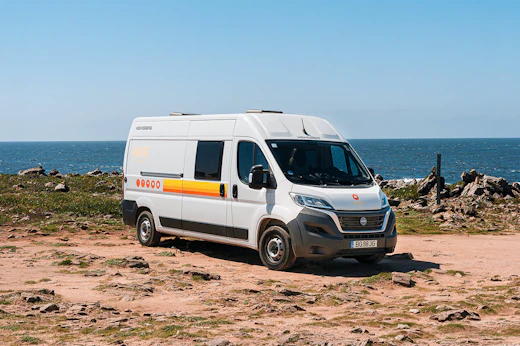
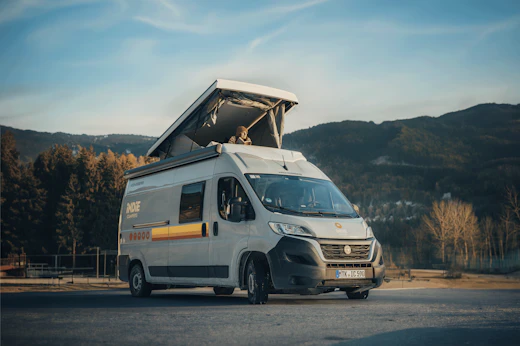
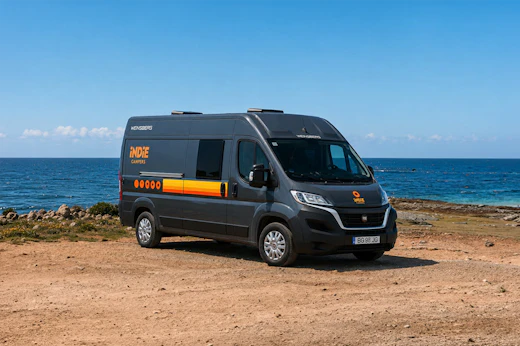
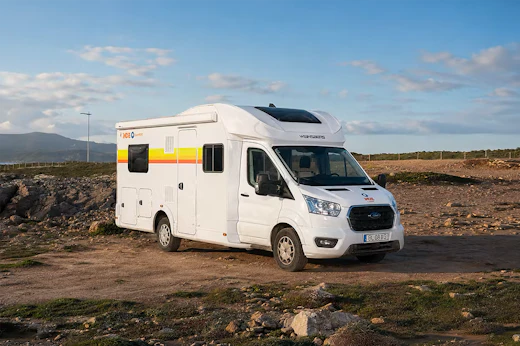
RVs, Motorhomes & Campervans for Every Kind of Traveller



“It is our first time traveling with a camper. Though there is some arrangement problem for the iteration, we still get a satisfying van and complete our planned journal. The response is quick and friendly. Overall, we like our trip.”
“I enjoy my experience with Indiecampers. Our host is friendly and the instructions are very clear. Highly recommend.”
“Excellent service from chat support to check in. Fany was great!”