Start your Italian journey with an RV rental in Rome from Indie Campers and let your road trip unfold through the Eternal City and beyond. From the rolling hills of Tuscany to the olive groves of Umbria or the sun-soaked Amalfi Coast, every direction leads to history, beauty, and unforgettable flavors. Discover Roman ruins, stroll through Renaissance towns, or unwind in vineyard-lined valleys. Select the campervan that fits your travel plans from our California, Active, or Comfort models, all offering unlimited kilometers, one-way rental flexibility, 24/7 online support, and thoughtful extras like outdoor furniture, kitchen gear, or child seats. With thousands of five-star reviews and a dependable fleet across Europe, Indie Campers helps you turn every stop into a story worth telling.
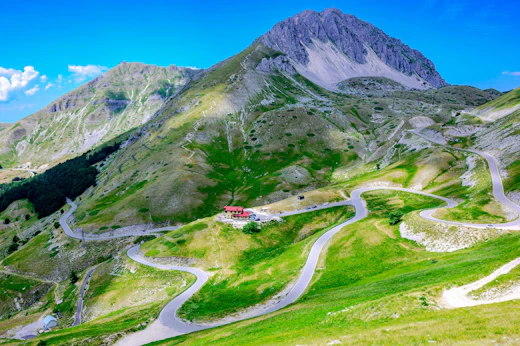


Our Road Trips Itineraries
Rome's defining practical challenge for any visitor who wants to explore beyond the city centre is the ZTL zone system: the historic core within the Aurelian Walls is one of the most comprehensively camera-enforced restricted traffic areas in Europe, and hotel guests staying inside that perimeter have no practical option to use a car for day trips without triggering fines that arrive automatically via the rental company. An RV based at a peripheral campground on the Via Aurelia to the west or the Castelli Romani to the south avoids this entirely: the Colosseum, the Vatican, and Trastevere are each 20-40 minutes by metro or bus, and the vehicle is positioned to drive out toward the Circeo coast or the Alban Hills the following morning without navigating central Rome's one-way system at all.
The circuit that most specifically requires an RV is the Pontine coast and Circeo combination south of Rome: the Circeo promontory, the four coastal lakes behind the dune system, and a ferry crossing from Anzio to Ponza take a minimum of three days to cover properly, and the Sabaudia area where you'd need to base yourself has no hotel infrastructure proportional to the landscape's quality. A campground at Sabaudia positions you 2km from the dune coast, 10 minutes from the Monte Circeo trailhead, and 30km from the Anzio ferry pier, without any booking complexity. Further east, the Abruzzo National Park presents the same problem in a mountain context: Pescasseroli's hotel inventory disappears in July and August, and the park's Marsican bears are most reliably encountered at dawn and dusk on the Valle Ianchina circuit. A campervan at a Pescasseroli campground means a 6am trailhead departure for the optimal wildlife window, rather than a 7:30am hotel checkout that misses the best hour entirely.
The cost case in this region is specific and consistent. A July hotel night in Frascati or Castel Gandolfo runs €120-250; a campground pitch in the Castelli Romani runs €20-35, and the crater lake views from a hillside campsite above Lago di Albano are, frankly, better than most hotel windows in those villages at any price. Applied further south, the differential becomes more dramatic: €300-600 a night in Positano against €30-50 at a Sorrento peninsula campground with identical access to the Amalfi Coast road. The larger point is that Rome's position at the centre of the peninsula makes it the natural anchor for one-way itineraries that head either north toward Tuscany or south toward Naples without backtracking, and those routes, more than the local Lazio circuits, are where the combination of unlimited mileage and multi-depot one-way capability most clearly changes what is possible in a fixed number of days.
For airports: Rome Fiumicino (FCO, GPS 41.7969°N, 12.2519°E) is 32km west of the city centre, approximately 35-45 minutes from the Rome depot by road via the A91 and the GRA. Direct connections run from London (Heathrow, Gatwick, Stansted), Manchester, Dublin, Paris CDG, Amsterdam, Frankfurt, Madrid, New York (JFK and EWR), Chicago (ORD), Boston, and Los Angeles, via ITA Airways, British Airways, Ryanair, easyJet, Wizz Air, Delta, United, and American Airlines; Fiumicino is Italy's highest-volume international airport. Rome Ciampino (CIA, GPS 41.7994°N, 12.5919°E) is 15km southeast of the city centre, approximately 20-30 minutes from the depot, and serves primarily budget carriers with strong connections from the UK, Ireland, and Eastern Europe. Road travellers arriving at Ciampino reach the depot by taxi (approximately €25-35) or by the Terravision coach service to Roma Termini and then onward.
Here's what sets Indie Campers apart from other Rome rental companies:
Unlimited mileage — Drive the full Lazio circuit out to the Circeo, Abruzzo, and the Etruscan coast and back, or take the A1 south to Naples and the Amalfi Coast, without watching the odometer. Most competitors cap you at 200-250km per day; a single Abruzzo round trip from Rome uses nearly all of that allowance before any time in the park itself.
One-way rentals across 70+ locations — Pick up in Rome, drop off in Naples, Florence, Bari, or Milan. The most natural Italian itineraries, north to south or south to north, don't start and end in the same place; Rome's central position makes it the ideal midpoint on a full peninsula traverse.
24/7 road assistance — Included on every booking. If something goes wrong at 2am on the SS83 mountain road between Avezzano and Pescasseroli, or on the Circeo promontory road after the last ferry back from Ponza, you have a number to call.
Basic Protection Plan included — Covered from day one. Optional upgrades available at booking.
Flexible cancellation — Cancel up to 31 days before pickup without penalty, useful given how substantially the Circeo coast and Abruzzo campground availability shifts between peak summer and shoulder season.
Book now, pay later — Secure your vehicle today; full payment is not due until closer to departure.
Spring (March through May)
Temperatures: 10-21°C (50-70°F); the Castelli Romani at 400-900 metres runs 4-6°C cooler than the city on the same day.
Rome's best season for sightseeing: mild temperatures, wildflowers in the Appia Antica park and along the Castelli Romani crater lake rims, and shoulder pricing before June. The Marsican bears in Abruzzo emerge from hibernation by April and the Valle Ianchina bear-spotting circuit is active from late April; this is the most reliably productive wildlife window of the year given lower vegetation cover. The Genzano di Roma Infiorata flower carpet festival runs in late May (exact date follows the Corpus Christi calendar). Campgrounds open from April; Easter week fills campsites within 60km of Rome regardless of calendar date.
Best for: Appia Antica and Castelli Romani walking without summer heat; Abruzzo bear-spotting in the post-hibernation activity peak; budget-conscious travellers before June pricing kicks in.
Skip if: beach swimming is the priority; the Circeo coast and the Pontine Islands are accessible but Atlantic water temperatures stay cool through May.
Summer (June through August)
Temperatures: 22-33°C (72-91°F) in Rome; the Castelli Romani runs 5-7°C cooler; the Abruzzo valleys at 900-1,200 metres stay comfortable through July.
Peak season throughout Lazio and the strongest window for the Circeo beaches, the Pontine Islands ferry circuit, and full Abruzzo trail access. Rome itself empties somewhat in August as locals leave for the coast; the Vatican Museums and Colosseum actually become marginally more manageable in the first two weeks of August before the Ferragosto (15 August) domestic tourism surge fills every coastal campground within reach. The Circeo coast and the Castelli Romani crater lakes are Roman summer destinations; campsites in both areas require early booking.
Best for: families with school-age children; Circeo beaches and Ponza ferry circuit at their warmest; full Abruzzo wildlife trail access.
Skip if: avoiding the Ferragosto compression on coastal roads and campsites is the priority; early June and early September offer nearly identical conditions with 30-40% less demand pressure.
Booking note: Circeo coast and Castelli Romani campgrounds require 6-8 weeks' advance booking for July and August; the two weeks around Ferragosto fill first.
Autumn (September through October)
Temperatures: 14-24°C (57-75°F); the Abruzzo beech forests colour through October, the most visually dramatic period in the park's annual cycle.
Widely considered the best overall season for a comprehensive Lazio circuit: the summer crowds recede through September, the Frascati DOC grape harvest runs from late August through September with cellar doors in Frascati and Velletri open for tastings, and the Viterbo Macchina di Santa Rosa procession (UNESCO Intangible Cultural Heritage, typically first or second weekend of September) is one of the most specific events on the calendar for any Viterbo visit. The Pontine Islands ferry services reduce from October but are fully operational through September. Bear-spotting in Abruzzo reaches its highest probability in October as the bears build pre-hibernation fat reserves; the foliage is at peak colour simultaneously.
Best for: wine harvest tourism in the Castelli Romani; Abruzzo autumn wildlife and foliage; Circeo beaches through September without peak crowds; the Viterbo Macchina di Santa Rosa in September.
Skip if: the Pontine Islands are a specific priority; services reduce from October.
Booking note: 4-6 weeks ahead is typically sufficient outside the early September shoulder, with the Viterbo festival weekend as an exception.
Winter (December through February)
Temperatures: 3-14°C (37-57°F); frost possible at Castelli Romani altitude; Abruzzo valleys receive snow above 1,000 metres from December.
Rome city functions normally with reduced crowds and the Vatican Museums and major archaeological sites at their quietest; this is the most affordable season for a Rome city-focused start or finish. Most coastal Circeo campgrounds reduce services or close; the Abruzzo park roads remain open to Pescasseroli but upper trails are snow-covered. A reduced-scope winter itinerary combining Rome city sightseeing with the Viterbo-Civita circuit and the Castelli Romani wine villages (both accessible year-round) works well without relying on the coastal or high-mountain infrastructure.
Best for: Rome city sightseeing without crowds; Viterbo medieval quarter in winter quiet; budget travellers at the lowest pricing of the year.
Skip if: the Circeo coast or extensive Abruzzo trail hiking is the plan; most of this infrastructure is reduced or closed.
The most popular months for Rome campervan rentals are June, July, and August.
3 to 5 Days
Three to five days is enough to cover Rome's city sightseeing and one of the nearby circuits: the Castelli Romani loop, the Etruscan coast, or the Appia Antica combined with a Viterbo day trip. It is not enough to reach Abruzzo and the Circeo coast in the same itinerary without the trip becoming primarily transit.
Rome, Castelli Romani, and the Appia Antica (approx. 180km, 4 days)
Day 1: Rome depot. Provision at Mercato di Testaccio. Walk the Appia Antica from Porta San Sebastiano to the Tomb of Cecilia Metella (4km on foot, free). Colosseum exterior from the Caelian Hill viewpoint before 8:30am. Overnight at Camping Village Roma, Via Aurelia.
Day 2: Rome → Castel Gandolfo via the Via Appia Nuova (45km, approximately 50 minutes). Morning at the Papal Gardens on the Albano crater rim; afternoon by Lago di Albano. Continue to Frascati (15km) for dinner and Frascati Superiore wine. Overnight near Frascati.
Day 3: Frascati → Nemi (15km via Via dei Laghi). Morning at Lago di Nemi and the Museo delle Navi Romane. Continue to Genzano di Roma (5km). Return to Rome via the Via Appia Nuova (25km). Afternoon: Borghese Gallery (pre-booked). Overnight at Camping Village Roma.
Day 4: Return depot.
Rome and the Etruscan Coast (approx. 250km, 4 days)
Day 1: Rome → Viterbo via SS2 Via Cassia (80km, 1 hour). Afternoon at the Quartiere San Pellegrino. Overnight near Lago di Vico (20km south of Viterbo via SP4).
Day 2: Lago di Vico → Civita di Bagnoregio (50km via SP69, 1 hour). Arrive before 9am; cross the pedestrian footbridge before the coach groups. Continue south to Tarquinia via the SS2 and the SS1 Via Aurelia (60km, 50 minutes). Afternoon at the Monterozzi painted tombs. Overnight near Tarquinia Lido.
Day 3: Tarquinia → Cerveteri (40km south via SS1). Morning at the Banditaccia necropolis. Return to Rome (50km via SS1 and GRA, approximately 50 minutes). Overnight at Camping Village Roma.
Day 4: Return depot.
7 to 10 Days
Rome, Abruzzo, and the Circeo Coast (approx. 600km, 8 days)
Day 1: Rome depot. Provision. Walk the Appia Antica. Overnight at Camping Village Roma.
Day 2: Rome → Pescasseroli via A24 and SS83 (130km, 1 hour 45 minutes). Afternoon Valle Ianchina trail. Overnight near Pescasseroli.
Day 3: Pescasseroli. Valle di Fondillo trail in the morning; afternoon in Pescasseroli village. Overnight near Pescasseroli.
Day 4: Pescasseroli → Sabaudia via A24, GRA, and SS148 (250km, approximately 3 hours). Overnight near Sabaudia, Circeo park.
Day 5: Sabaudia. Morning: Monte Circeo summit trail (8km return, 3.5 hours). Afternoon: Sabaudia beach or boat trip on Lago di Sabaudia. Overnight near Sabaudia.
Day 6: Sabaudia → Anzio (60km via SS207, approximately 45 minutes). Morning ferry to Ponza (departs approximately 8:30am, arrives approximately 10:15am). Full day on Ponza; return ferry approximately 5:30pm. Overnight near Anzio.
Day 7: Anzio → Castelli Romani via SS207 and Via Appia Nuova (80km, approximately 1 hour). Castel Gandolfo, Lago di Albano, Frascati. Overnight near Castelli Romani.
Day 8: Castelli Romani → Rome depot (25km, approximately 30 minutes).
14 Days or More
One-Way: Rome to Naples via Pompeii and the Amalfi Coast (approx. 450km, 14 days)
Days 1-4: Rome, Appia Antica, and Castelli Romani, as per the 4-day circuit above.
Days 5-7: Rome → Circeo and Anzio, as per the 8-day itinerary above (compressed to 3 days).
Days 8-9: Anzio → Naples via A1 (220km from Rome, approximately 2 hours 15 minutes). Naples old town and the Spaccanapoli; Pompeii (40km south of Naples via A3, approximately 40 minutes). Overnight near Naples.
Days 10-13: Naples → Sorrento → the Amalfi Coast (50km from Naples, approximately 1 hour). The SS163 circuit: Positano, Amalfi, Ravello. Overnight near Sorrento or Salerno.
Day 14: Drop vehicle at the Naples depot, or continue to Bari via the A16 (260km from Naples, approximately 2 hours 30 minutes) for a further Puglia one-way.
Fuel Stations
ENI/Agip, Grande Raccordo Anulare: multiple ENI stations on or immediately adjacent to the GRA at the major spoke exits (Via Cassia junction, Via Aurelia junction, Via Pontina junction, Via Tiburtina/A24 junction). Fill at a GRA-adjacent station before heading out on any of the radial routes; central Rome street stations are impractical for campervans given urban parking constraints, and autostrada service area stations charge a premium of approximately €0.15-0.20/litre over roadside prices.
IP, Via Aurelia northbound (near km 30, GPS approximately 41.9667°N, 12.2667°E): the most practical fill point before the Cerveteri and Tarquinia Etruscan coast route on the SS1; IP stations along the Via Aurelia are generally better value than the autostrada Fiumicino junction alternatives.
ENI/Agip, Via Pontina near Latina (GPS approximately 41.4667°N, 12.9167°E): the last convenient fill before the Circeo park interior; Sabaudia has fuel available but supply within the park area is limited. Fill near Latina before entering.
Tamoil/Shell, Avezzano (SS83 junction, Abruzzo approach, GPS approximately 42.0333°N, 13.4167°E): the last comfortable fill before the final 40km mountain drive to Pescasseroli. No fuel between Avezzano and Pescasseroli; carry a full tank from this point regardless of current level.
Italy fuel note: average diesel approximately €1.75-1.90/litre; petrol approximately €1.80-1.95/litre on roadside stations. Autostrada service areas run approximately €0.15-0.20 higher.
LPG/Autogas Refill
Rome's GPL network is reasonably distributed in the metropolitan area but thins significantly on the Circeo, Abruzzo, and Viterbo approach roads.
ENI/Agip, Via del Foro Italico (north Rome, GPS approximately 41.9333°N, 12.4667°E): GPL available; well-positioned for a fill before heading north on the Via Flaminia or Via Cassia toward Viterbo.
Q8, Via Laurentina (south Rome, GPS approximately 41.8167°N, 12.4833°E): GPL available; the closest reliable GPL station before the Via Pontina southbound toward the Circeo park.
GPL availability drops significantly beyond Latina on the Via Pontina and between Avezzano and Pescasseroli. Fill in Rome or at Latina before any extended southern or eastern circuit. Average LPG price approximately €0.70-0.85/litre.
Dump Stations
Camping Village Roma service area (Via Aurelia, GPS approximately 41.9000°N, 12.3500°E): full services including cassette disposal, grey water, fresh water, and EHU; available to non-registered visitors for a small fee. One of the best-equipped service facilities near the city and the most practical base-camp service stop for any Rome-area circuit.
Area di Sosta Castel Gandolfo (GPS approximately 41.7489°N, 12.6489°E): motorhome service area near the Castelli Romani with water and cassette disposal. Confirm current facilities via Park4Night before routing specifically to this stop.
Area di Sosta Sabaudia (GPS approximately 41.2917°N, 13.0333°E, near the Circeo park entrance): basic services including fresh water and cassette disposal; the most practical service stop before or after the Circeo circuit.
Essential Apps
Telepass app: manages Italian motorway toll payments on the A1 (toward Florence and Naples), the A24 (Abruzzo), and the GRA junction toll points. Register at pickup to avoid per-passage administration surcharges.
Park4Night: locates aree di sosta, campgrounds, and legal overnight motorhome positions throughout Lazio and the surrounding regions; essential given the more dispersed service area network compared to northern Italy.
Infomobilità Roma (Roma Servizi per la Mobilità app): the most useful tool for planning GRA crossings and ring road departure timing; real-time traffic data for all radial routes out of the city.
Parco Nazionale d'Abruzzo app (parcabruzzo.it): wildlife sighting reports and trail status updates; the most current information on bear activity corridors and trail closures around Pescasseroli.
ARPA Lazio: Lazio's environmental agency publishes air quality data and summer ozone alerts relevant to Rome's periodic blocco del traffico traffic restriction days for certain vehicle categories on high-pollution dates; check before any urban driving.
Best Campgrounds Near Rome
Camping Village Roma — Via Aurelia 831, 8km west of central Rome (GPS 41.9000°N, 12.3500°E, €25-45/night). The most established and well-equipped campground near Rome, set on the Via Aurelia with bus connections to the Piazzale Clodio metro interchange (Line A) and the city centre in approximately 25 minutes. Full hookups, swimming pool, bar, and restaurant on site. Maximum vehicle length approximately 12m. Book 4-6 weeks ahead for July and August.
Camping Flaminio — Via Flaminia Nuova 821, 9km north of central Rome (GPS 41.9667°N, 12.4833°E, €22-40/night). Positioned on the Via Flaminia with bus connections to Flaminio metro station (Line A) in approximately 20-25 minutes. Well-maintained with full hookups; the natural choice for travellers planning a first-day drive north toward the Etruscan coast or Viterbo. Book 4-6 weeks ahead for July and August.
Camping Lago di Bracciano — Bracciano shoreline (GPS 42.1167°N, 12.2167°E, €20-35/night, approximately 35km northwest of Rome via the SS2 and SS493). A lakeside campground on Lago di Bracciano, a volcanic crater lake 165 metres deep with some of the cleanest freshwater in central Italy; the shoreline medieval Castello Odescalchi is visible from the waterfront. Swimming directly from the campground; a quieter and more scenic alternative to the urban campgrounds for travellers whose priority is a lake base combined with Rome day-trip access.
Camping Park Castelli Romani — near Frascati (GPS approximately 41.8083°N, 12.6792°E, €18-32/night, approximately 25km southeast of Rome via the Via Appia Nuova). The most practical base for the Castelli Romani wine hills circuit, within short driving distance of Frascati DOC cellar doors, Castel Gandolfo, and Lago di Albano. Confirm current hookup availability and maximum vehicle length directly before booking.
Camping Sabbiadoro — near Sabaudia, Parco Nazionale del Circeo (GPS approximately 41.2917°N, 13.0333°E, €25-45/night, approximately 80km south of Rome via the SS148 Pontina). The primary campground base for the Circeo park circuit, positioned between the Monte Circeo trail approach and the coastal lake system. Full hookups in the main area; some pitches in a more natural pine forest setting with basic services. Book 6-8 weeks ahead for July and August; the Circeo coast is a popular Roman summer destination.
Camping Il Falcone — Pescasseroli, Parco Nazionale d'Abruzzo (GPS approximately 41.8083°N, 13.7917°E, €18-30/night, approximately 130km east of Rome via the A24 and SS83). The standard base for the Abruzzo National Park wildlife circuit, within walking distance of Pescasseroli village and the park visitor centre. Basic to mid-range facilities; book 4-6 weeks ahead for July and August, when the park's limited accommodation capacity concentrates demand on the campground.
Area Sosta Viterbo — near Viterbo medieval quarter (GPS approximately 42.4169°N, 12.1064°E, €10-20/night). A motorhome service area and informal overnight stop positioned for the Quartiere San Pellegrino and the day trip to Civita di Bagnoregio (30km northeast). Basic services; the most practical overnight option for the Viterbo-Civita circuit. Confirm current facilities via Park4Night.
Camping Torre Astura — near Nettuno, Pontine coast (GPS approximately 41.4167°N, 12.7667°E, €20-38/night, approximately 55km south of Rome via the SS207). A coastal campground on the Pontine shore south of Anzio, positioned for ferry access to Ponza and as an alternative southern base to Sabaudia for a Circeo and islands itinerary that approaches from the north. Beach access and basic hookups.
Age and License Requirements
Minimum rental age: 21 years. Confirm any applicable young driver surcharge (typically levied up to age 25) at indiecampers.com.
EU license holders: a full EU driving license is valid in Italy without additional documentation. International visitors (non-EU): an International Driving Permit (IDP) is recommended alongside your national license; Italian traffic police enforce this requirement at routine stops of foreign-registered rental vehicles. Obtain your IDP from your home country's automobile association before departure.
Credit Card and Deposit
A credit card in the primary driver's name is required at pickup. Debit and prepaid cards are not accepted. The security deposit amount varies by vehicle class and protection plan; confirm the exact figure at indiecampers.com during booking.
ZTL Zones
Rome's historic centre ZTL covers essentially the entire area within the Aurelian Walls and operates 24 hours a day. Sub-zones cover Trastevere and Testaccio (active primarily evening hours) and the Vatican perimeter. Every unauthorized entry is camera-registered and processed as a fine via the rental company. The practical rule for any campervan itinerary: do not drive into central Rome at any time. Use peripheral campground parking and access the city by metro (Lines A, B, and C cover all major attractions), bus, or tram.
National Park Passes and Pre-Booking
Italy has no unified national park pass; entry to Abruzzo, Circeo, and the Lazio regional parks is free at the park boundaries. Pre-booking is essential for: the Borghese Gallery (galleriaborghese.it, 4-6 weeks ahead for summer), the Vatican Museums (museivaticani.va, 4-6 weeks ahead), and the Colosseum and Roman Forum (coopculture.it, 3-4 weeks ahead). Civita di Bagnoregio bridge entry (approximately €5-8/adult) can be paid at the gate but arriving before 9am in summer avoids the queue. The Pantheon (€5/adult, free first Sunday of each month) is bookable online for shorter queues.
Reservation Systems
Book campsites through individual campground websites, Camping.it, or Park4Night for aree di sosta. Circeo coast campgrounds for July and August: book 6-8 weeks ahead. Abruzzo National Park area campgrounds: 4-6 weeks ahead. Castelli Romani campgrounds: 3-4 weeks ahead for peak summer.
Toll Transponder
Confirm at pickup whether a Telepass transponder is fitted and how toll charges are handled. The A24 toward Abruzzo and the A1 toward Naples and Florence are the two routes from Rome that most consistently incur autostrada tolls on a standard circuit; understand the payment arrangement before driving.
Speed Limits
Motorways (autostrade): 130km/h standard; 110km/h in rain or reduced visibility; campervans over 3.5 tonnes may be limited to 100km/h on certain sections — confirm at pickup.
Rural roads outside built-up areas: 90km/h.
Urban areas: 50km/h standard; 30km/h in designated central Rome residential zones.
GRA (A90): 130km/h posted; rarely reached during peak hours when the ring road runs at 0-40km/h near major junctions.
Automated speed enforcement is active on extended sections of the A1 and A24 from Rome; average-speed (Tutor) cameras process fines via the rental company for foreign-registered vehicles.
Road Conditions
A1 (toward Florence and Naples): six-lane, well-maintained; no campervan-specific restrictions.
A24 (toward Abruzzo): four-lane motorway including the 10km Gran Sasso tunnel; tunnel carries a separate toll approximately €3; no campervan restrictions.
GRA (A90): eight to ten lanes at major junctions; no restrictions but high congestion at peak hours.
SS148 Via Pontina (toward Circeo): divided two-lane highway in good condition to Terracina; no restrictions.
SS1 Via Aurelia (toward Cerveteri and Tarquinia): two-lane national road, well-maintained; bottleneck through Civitavecchia.
SS2 Via Cassia (toward Viterbo): two-lane, undulating through volcanic hill terrain; no restrictions.
SS7 Via Appia Nuova (toward Castelli Romani): two-lane; busy with commuter traffic on weekday mornings.
SS83 (Avezzano to Pescasseroli): mountain road, two-lane; manageable for campervans up to 8m; some hairpin sections south of Gioia dei Marsi. Check road conditions at autostrade.it (motorways) and the ANAS app (national roads) before departure on any mountain itinerary.
Driving Culture
Rome's urban driving style is the most assertive in Italy after Naples: lane markings are treated as advisory at intersections, horn use is frequent and generally non-aggressive in intent, and the ZTL enforcement camera system has effectively reorganised the city's traffic flow to concentrate on the GRA and the radial arteries rather than the historic streets. Leave central Rome driving entirely to the metro and bus network from the campground base, and the urban driving challenge disappears. On the GRA itself, the overtaking lane (left lane) runs faster than the posted limit; maintain the right lane at a campervan pace and let traffic pass. Roundabout priority goes to vehicles already inside the circle; this convention is not universally observed in Roman traffic, and defensive positioning at roundabout entries is the correct approach.
RV-Specific Notes
Height: no general restrictions on the GRA, A1, or A24; covered and underground car parks near the city centre carry 2m-2.4m barriers; use open surface parking exclusively with any campervan in Rome.
Length: the SS83 Abruzzo mountain section is manageable for vehicles up to 8m; longer vehicles use the Valle del Liri alternative approach via Cassino and the A1. Circeo beach access roads beyond Sabaudia town prefer compact vehicles.
ZTL: applies to every historic centre in Lazio including Viterbo, Bracciano, Frascati, and all Castelli Romani hill town cores, in addition to central Rome. Use designated outer surface parking throughout.
Wildlife: wild boar crossings are common on the SS2 Via Cassia north of Rome toward Viterbo and on the SS83 Abruzzo approach roads at dawn and dusk. Reduce speed on unlit rural sections after sunset.
Legal Notes
Blood alcohol limit: 0.5g/L general; 0.0g/L for drivers with less than three years' experience. Penalties from fine to licence suspension; criminal prosecution at higher readings.
Mobile phone use without hands-free: prohibited; enforcement active.
Seatbelts mandatory for all occupants.
Warning triangle and high-visibility vest compulsory in the vehicle at all times.
Practical Logistics
Tolls
Rome's toll geography is specific: the A1 toward Florence and Naples, the A24 toward Abruzzo, and the A91 Rome-Fiumicino expressway all carry tolls; the GRA (Grande Raccordo Anulare, A90), Rome's ring road, is largely toll-free and functions as the hub from which all paid radial motorways depart. A standard 7-day Rome-based circuit covering the Castelli Romani (Via Appia Nuova, no toll), the Circeo (SS148 Pontina, no toll), and Abruzzo (A24, approximately €4 one way to the Carsoli exit) can be completed with very low overall toll expenditure by using the SS-road network for the southern and northwestern circuits and the A24 only for the Abruzzo leg. The A1 toward Naples on a one-way route costs approximately €12-15 each way in a campervan toll category. Tolls are paid at barrier stations by card, cash, or via Telepass. Confirm your vehicle's toll category at pickup.
Traffic
The GRA runs at or near capacity during Rome's morning rush (7:00-9:30am) and evening rush (4:30-7:30pm) on weekdays, particularly at the junctions with the Via Aurelia (junction 1), Via Flaminia (junction 6), Via Tiburtina/A24 (junctions 12-13), and Via Pontina (junctions 26-27). Depart on any radial route before 7am or after 9:30am on weekdays to avoid adding 30-60 minutes at the first GRA section. The SS2 Via Cassia toward Viterbo is heavily used by commuters on weekday mornings from Rome's northern suburbs; the Via Appia Nuova southbound toward the Castelli Romani carries significant weekend leisure traffic from midday Saturday through Sunday evening throughout summer.
Getting from the Airport
Rome Fiumicino (FCO): GPS 41.7969°N, 12.2519°E. 32km west of the city centre via the A91 and GRA, approximately 35-45 minutes from the Rome depot. Taxi to the depot approximately €50-65. The Leonardo Express train from Fiumicino Terminal 3 to Roma Termini (€14, 35 minutes, runs every 30 minutes) is the fastest public connection; from Termini, a taxi to the depot costs approximately €15-20. Same-day pickup travellers arriving on long-haul flights should plan a direct taxi transfer as the A91 toward the GRA can be slow during morning arrival peaks.
Rome Ciampino (CIA): GPS 41.7994°N, 12.5919°E. 15km southeast of the city centre, approximately 20-30 minutes from the depot. Taxi to the depot approximately €25-40. The Terravision or SIT bus services to Roma Termini (approximately €5, 45 minutes) plus a taxi to the depot (approximately €15-20) is the public transport alternative. Ciampino's proximity to the ring road makes it the more straightforward airport for same-day vehicle pickup.
Rome, Castelli Romani, Circeo Coast, and Abruzzo Circuit (approx. 700km)
RV rental: €650-1,700 (compact Adventure to large Comfort category; July and August add 20-30%; book 3-4 months ahead to access lower shoulder-season rates for June and September)
Fuel: €120-165 (700km at 10L/100km = 70 litres; approximately €1.75-1.90/litre diesel on GRA-adjacent and SS-road stations; avoid autostrada service areas to stay toward the lower estimate)
LPG/Autogas: €20-40 (one fill if needed; fill in Rome before the Circeo or Abruzzo circuit where GPL coverage drops significantly)
Tolls: €20-50 (A24 to Abruzzo approximately €4 each way; GRA largely free; SS148 Pontina and SS2 Cassia routes toll-free; Civita di Bagnoregio bridge entry approximately €6/adult; Gran Sasso tunnel separate toll approximately €3)
Campgrounds: €140-315 (€20-45/night × 7; aree di sosta at the low end €10-15 near Viterbo and Castelli Romani; full-hookup Circeo coast campgrounds in August at the high end)
Food: €280-595 (self-catering from Carrefour or Conad approximately €40-50/day; mixed cooking and Rome restaurant meals including one Da Enzo al 29 dinner and Pizzarium lunch approximately €65-85/day)
Activities: €40-180 (Colosseum and Forum approximately €20; Borghese Gallery approximately €17; Vatican Museums approximately €22; Abruzzo National Park free; Circeo and Castelli Romani parks free; Civita di Bagnoregio bridge approximately €6/adult; Etruscan necropolises approximately €10 each; Ponza ferry approximately €30-40 return)
Parking: €10-30 (day parking at Castelli Romani and Etruscan coast outer areas €2-5/day; Anzio ferry pier parking before Ponza crossing approximately €8-12/day; all campsite overnight parking included above)
Budget (per couple, 7 days, vehicle rental not included): approximately €800-1,000 — compact vehicle, all self-catering from Lidl and Conad, aree di sosta and lower-cost campgrounds, free attractions (Appia Antica walk, Caelian Hill Colosseum viewpoint, Castelli Romani circuit, Circeo park trails, Trastevere evening walk)
Mid-range: approximately €1,350-1,800 — mid-size vehicle, mix of cooking and restaurant meals including Da Enzo al 29 and Mercato Testaccio, mid-price campgrounds with hookups, Colosseum and Forum, Borghese Gallery, one Etruscan necropolis, Ponza day ferry included
Premium: approximately €2,500-3,500 — large motorhome, frequent dining including Flavio al Velavevodetto, full-hookup sites throughout, all Vatican, Colosseum, Borghese, and Etruscan entries, Ponza crossing, Abruzzo circuit completed
Rome sits in the middle of the Indie Campers Italian network for overall trip cost, broadly comparable to Milan for rental pricing but with lower campground rates on the Circeo coast and Abruzzo circuits than the northern lake district in peak season. The most significant cost lever is whether the itinerary extends toward Naples and the Amalfi Coast on a one-way: adding the A1 south and a Sorrento peninsula campground at €35-55 a night increases the 7-day total by approximately €300-600 against a circuit that stays within Lazio. The Appia Antica, the Etruscan coast, and the volcanic lake circuits close to Rome are among the lowest-cost high-quality driving in the Italian network, requiring no motorway tolls and no paid attraction entry for their primary experiences.
Rome → Florence (280km, approximately 2 hours 45 minutes via A1) — the central Italy cultural traverse; Orvieto (120km from Rome, 1 hour 15 minutes, exit at Orvieto Scalo for the clifftop cathedral and Orvieto Classico DOC wine) and the Valdichiana wine country of Montepulciano and Cortona are the natural intermediate stops before the Florence depot.
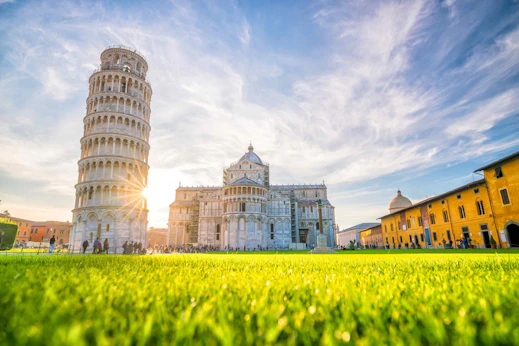
Rome → Pisa (320km, approximately 3 hours via A1 and A11, or the E80/A12 coastal road through Civitavecchia and the Maremma) — the Tuscan western shore alternative to Florence; the Maremma Regional Park and the Piombino ferry to Elba are viable extensions along the coast route before dropping at the Pisa depot.
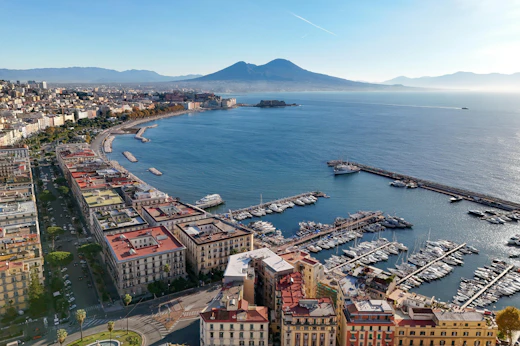
Rome → Naples (220km, approximately 2 hours 15 minutes via A1) — the most popular southbound one-way from Rome; connects to Pompeii (40km south of Naples, approximately 40 minutes), the Phlegraean Fields (Campi Flegrei), and the Amalfi Coast via the Sorrento peninsula. Natural intermediate stop at the Montecassino Abbey (150km from Rome, 1 hour 30 minutes).
Rome → Bari (450km, approximately 4 hours 30 minutes via A1 south to Naples, then A16 east across the Apennines) — the cross-Apennine traverse connecting the Tyrrhenian coast to Puglia's trulli country and the Adriatic. The A16 through the Irpinian mountains is one of the more visually dramatic motorway sections in southern Italy.
Rome → Bologna (380km, approximately 3 hours 30 minutes via A1 north) — the Emilia-Romagna food region connector; Parma (Parmigiano-Reggiano and Prosciutto di Parma DOP country) is a 30-minute detour off the A1 approximately 120km north of Florence, worth building into a slower 2-day run.
Rome → Milan (580km, approximately 5 hours 30 minutes via A1) — the full central Italian traverse; driven over 2 days via Florence and Bologna rather than directly to make the distance worthwhile.
Rome → Nice, France (930km, approximately 9 hours via A10 Italian Riviera and A8 France) — the long cross-border western one-way connecting the Italian and French Indie Campers networks via the Ligurian coast; cross-border written authorization required at booking, and the route is practical when broken into 2-3 days via Genova and the Italian Riviera.
One-way fees vary by route and season. Confirm availability and cross-border authorization at the time of booking.
Rome is the only depot in the Italian network positioned equidistant from the Amalfi Coast, Tuscany, the Abruzzo Apennines, and the Etruscan archaeological coast simultaneously. Naples is 2 hours 15 minutes south; Florence is 2 hours 45 minutes north; the Abruzzo bears are 1 hour 45 minutes east; and the Cerveteri necropolis is 50 minutes northwest. No other Italian city puts these four genuinely different landscapes into a single morning's radius; and because Rome anchors the centre of the peninsula rather than one end, itineraries that use the depot as a pivot point cover more of Italy's actual range than any circuit anchored at either extremity.
The singular experience that only a Rome start delivers is the Via Appia Antica on foot before the city wakes up. The road was built in 312 BC, runs uninterrupted from Porta San Sebastiano through the city's southern edge, and the first 4km of original basalt-paved surface can be walked in complete quiet before 7am with Roman tomb towers rising from the roadside grass on both sides. No other Indie Campers depot in Europe is within a 4km walk of a road built at this scale that has been in continuous use for 23 centuries.
The morning of pickup: coffee standing at the bar at Sant'Eustachio il Caffè (Piazza di Sant'Eustachio 82, GPS 41.8969°N, 12.4764°E), which has been serving a secret-recipe espresso from this piazza since 1938; it arrives pre-sweetened unless you say amaro. Then take the SS148 Pontina south toward Sabaudia and the Circeo coast if the first night is at the park, or the A1 north toward Orvieto and Florence if the itinerary runs toward Tuscany. The city is behind you within 20 minutes on any of these routes, and the landscape changes within 30.
In general, a special licence is not required to rent our RVs in Rome. However, a valid driving license is required to operate our vehicles. For some non-EU citizens, a IDP is required, in addition to their home country's drivers licence. Other considerations such as a valid vehicle licence to the vehicle type (manual or automatic) will also be required. For more information regarding our licence requirements read this.
Yes, our RVs are pet-friendly. Just make sure to purchase the extra cleaning service during your booking. This service includes professional anti-allergic cleaning after your trip. Please note that only one pet is allowed per motorhome, and it must weigh no more than 30kg. Keep in mind, we are not responsible for any legal fees related to traveling with your pet. For marketplace bookings, check the "vehicle rules" section for the pet-friendly icon to confirm if pets are allowed in that specific vehicle.
The number of people who can sleep in our RVs will depend on the size of the vehicle and the model. In general, our class C motorhome models can sleep up to 4-8 people, whereas our class B motorhomes can sleep up to 2-4. For cars with a rooftop tent, around 2 people can sleep in this vehicles. More details on our models and sleeping capacities can be found here.
If you are travelling in an RV, motorhome or caravan around Rome, it is important to understand official camping rules of the country you are visiting. As natural areas are generally protected by laws, using an official campsite or designated overnight parking area is highly recommended. This helps protect local communities and ensures you can all enjoy safely. Read more safety tips and protocols here.
We offer three protection plans to cover incidents and damages during your rental period. All Indie Campers motorhomes come with insurance for third-party vehicles and property damage (valid insurance will depend on the country). For marketplace vehicles, insurance options may vary based on the host.
Learn more about our protection plans here.
Yes, our search filter allows you to find an RV near your location using a 60km radius system. This means depending on the location you are searching from, you will be able to find an Indie campervan rental pick-up center near you.
Yes, a selected number of Indie Campers RV rentals in Rome include unlimited mileage, allowing you to explore freely and make the most of your road trip! Please note that unlimited mileage applies exclusively to Indie Campers RVs and is subject to responsible use.
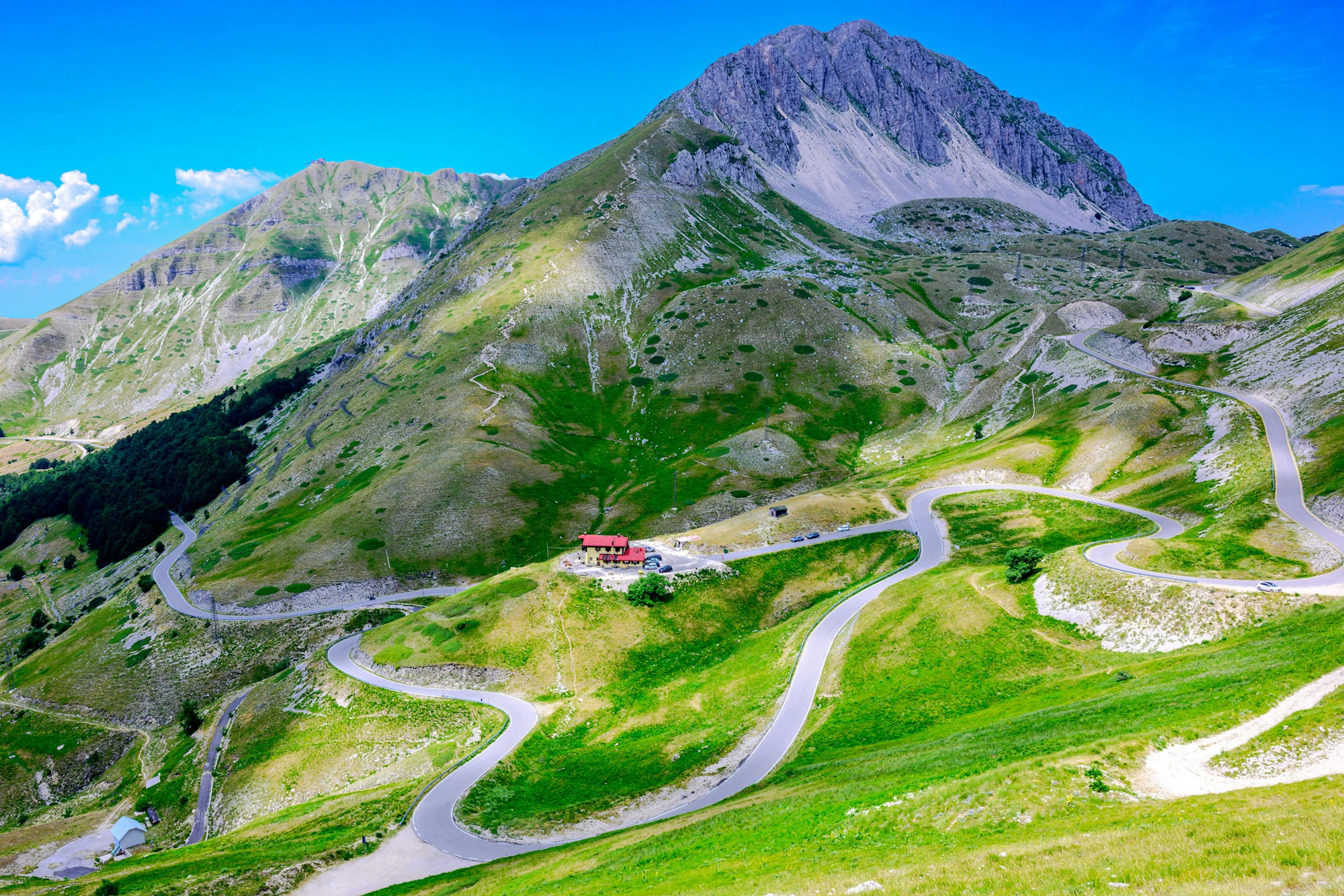
RVs, Motorhomes & Campervans for Every Kind of Traveller
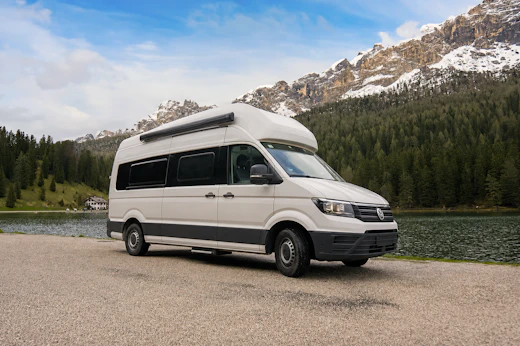
/night

/night

/night

/night
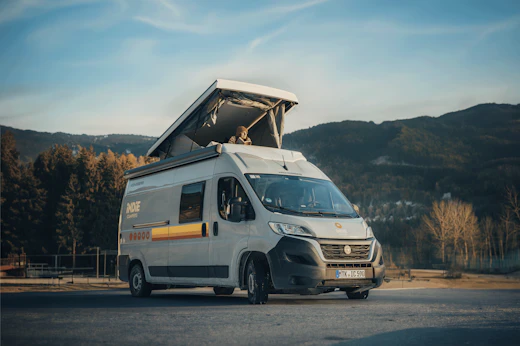
/night

/night

/night
/night

/night
/night
/night
/night

/night

/night

/night

/night
Our Road Trips Itineraries
“Everything was great, excellent reception and attention from Flaminia Mirella.”
“Very rewarding experience to have a caravan available anywhere and see the world. Indi campers allowed us this pleasure of traveling.”
“Once again, Mirela was very friendly, understanding, and humane. It is very nice to meet people like her. We are happy with the service. We will rent again! Thank you.”