Indie Campers LogoIndie Campers Logo
North America
AnchorageCalgaryChicagoDenverLas VegasLos AngelesMiamiNew YorkPhoenixSalt Lake CitySan DiegoSan FranciscoSeattleTorontoVancouver
Europe
CroatiaFinlandFranceGermanyGreeceIcelandIrelandItalyNetherlandsNorwayPortugalPolandSpainSwedenSwitzerlandUnited Kingdom
Oceania
AucklandBrisbaneCairnsChristchurchDarwinMelbournePerthQueenstownSydneyHobart
Popular Destinations
AlaskaAthensBarcelonaBergenBolognaCanadaDublinEdinburghFaroLisbonMilanNiceOsloReykjavikScotlandVeniceZurich
Campervan driving towards the sunset
See all Locations →
ModelsBuy a CampervanBecome a Host
RoadtripsBlog
Help
Deals
Deals

Explore Boston With Us!

Start your New England adventure with an RV rental in Boston from Indie Campers and explore the region's rich history and coastal beauty. Drive to Cape Cod's beaches, venture into the White Mountains of New Hampshire, or explore Maine's rugged coastline and lighthouse trails. Choose from our range of reliable RVs with unlimited miles, flexible one-way options, and practical extras like heating kits, outdoor furniture, or child seats. Backed by thousands of 4.6-star reviews, Indie Campers is trusted by travelers exploring New England with comfort and freedom.

Campervan and RV Rental in Boston

Boston sits at the northeastern edge of the continental US road network, which in practice means it sits at the entrance to New England: a six-state region covering 186,000 km² of Atlantic coastline, hardwood forest, granite mountain range, and some of the most intact rural landscape in the eastern United States. The distances here are compressed compared to the American West. Acadia National Park's Hulls Cove Visitor Center is 280 miles north via I-95 and ME-3, roughly 4.5 hours to Bar Harbor on Mount Desert Island. Cape Cod National Seashore's northern tip at Provincetown is 185 miles southeast via US-6, roughly 2.5 hours without summer traffic and considerably more with it. The White Mountains of New Hampshire start 210 miles north via I-93, with the Kancamagus Highway's 56-km corridor through the national forest accessible within 2.5 hours. Vermont's Route 100 through the Green Mountains is 350 miles northwest via I-89. For a single depot to be within 4.5 hours of the most visited national park in the northeastern United States, one of the longest undeveloped barrier shorelines on the East Coast, and the highest peak in northeastern North America, the geography works.
Logan International Airport (BOS) is served by direct domestic routes from all major US hubs and by transatlantic routes from London, Dublin, Amsterdam, Paris, Frankfurt, Lisbon, and Reykjavik, among others.
New England road tripping operates on a different logic than the western states. The distances are shorter, the roads are narrower, and in many places the routes were laid over footpaths and animal trails before the automobile existed. Boston's street grid predates urban planning by two centuries and communicates that fact to anyone who attempts to navigate it by instinct. The payoff for accepting these realities is landscape density: within 300 miles of the depot you can drive Cape Cod's barrier dunes, summit a White Mountain at 1,917 meters, eat lobster on a working Maine pier, walk covered bridge country in Vermont, and return via the Connecticut River valley through four states of fall color. No single route covers all of it, which is the reason to rent for 10 days rather than 5.
Campervan and RV Rental in Boston

What to do in Boston

Top National Parks and Scenic Drives Near Boston
Best Campgrounds Near Boston
Local Tips for Boston
  • Acadia National Park - 280 miles north via I-95 through Portland and Bangor, then ME-3 west to Bar Harbor, approximately 4.5 hours to the Hulls Cove Visitor Center (GPS: 44.4089° N, 68.2327° W). Acadia is the most visited national park in New England and the first national park established east of the Mississippi River (1919). The park covers 19,156 hectares across Mount Desert Island, the Schoodic Peninsula, and several smaller islands on the Maine coast. The granite peaks of the Acadia ridgeline rise directly from the Atlantic, Frenchman Bay, and Somes Sound, producing the most dramatic coastal mountain landscape in the northeastern United States.
  • Cape Cod National Seashore - 185 miles southeast via MA-3 south and US-6 east to Provincetown (GPS: 42.0578° N, 70.1870° W, Province Lands Visitor Center), approximately 2.5 hours without traffic. In July and August, add 1-2 hours on a Friday afternoon or weekend morning; the Cape Cod Canal crossing on the Bourne or Sagamore Bridge becomes a bottleneck that traffic apps consistently underestimate. Cross before 10 a.m. or after 7 p.m. on any summer weekend day. Cape Cod National Seashore covers 43,607 acres along 64 miles of the Outer Cape's Atlantic coastline, from Chatham at the elbow to Provincetown at the tip. Established in 1961, the seashore's federal protection prevented the commercial development that reached the rest of Cape Cod in the 1950s and 1960s; much of what makes the Outer Cape visually intact is a direct result.
  • White Mountains National Forest, New Hampshire - 210 miles north via I-93 to exit 32 at Lincoln, NH, then NH-112 east (GPS: 44.0396° N, 71.6753° W, Lincoln), approximately 2.5 hours to the western end of the Kancamagus Highway. The White Mountain National Forest covers 3,089 km² of northern New Hampshire and a small portion of western Maine. The Presidential Range at the core of the White Mountains contains eight peaks above 1,500 meters; Mount Washington at 1,917 meters is the highest peak in northeastern North America. The range is also the site of some of the worst recorded weather in the world at ground level: the Mount Washington Observatory recorded a surface wind speed of 372 mph in 1934 that held the world record for 62 years. The average wind speed on the summit is 56 mph annually; in winter, the summit records conditions comparable to the lower slopes of Mount Everest.
  • Vermont Route 100 and the Green Mountains - 350 miles northwest of Boston via I-93 north and I-89 north to Montpelier, then VT-100 south (GPS: 44.2601° N, 72.5754° W, Montpelier), approximately 3.5 hours to the upper end of Route 100. Or via I-90 west and I-91 north to Brattleboro (GPS: 42.8509° N, 72.5579° W), 2.5 hours, then north on VT-100 from its southern terminus. Vermont Route 100 runs 274 miles from Readsboro on the Massachusetts border to Newport on the Canadian border, following the valley between the Green Mountains to the west and the lower hills of the Northeast Kingdom to the east. The road is two-lane for its entire length, passing through covered bridge country, maple sugar farms, ski resort towns, and small village greens with white-clapboard churches. In October, when the sugar maples on the hillsides above Route 100 turn orange, red, and gold, it becomes the most photographed rural road in the northeastern United States.
  • The Maine Coast and Portland - 180 miles north via I-95 to Portland (GPS: 43.6615° N, 70.2553° W), approximately 2 hours from Boston. The Maine Turnpike (I-95) is the spine of Maine's coastal route from the New Hampshire border north to Augusta; it is a toll road operated by the Maine Turnpike Authority with E-ZPass and cash collection. Exit 44 for Portland. Portland Head Light (GPS: 43.6234° N, 70.2076° W, 1000 Shore Road, Cape Elizabeth, free grounds access, $5 museum admission, open daily). The oldest lighthouse in Maine (1791) stands on a granite headland at the entrance to Portland Harbor, commissioned by George Washington. The surrounding Fort Williams Park has 58 acres of oceanfront grounds with walking paths along the rocky shoreline. The lighthouse is 14 miles south of Portland's Old Port via South Portland; worth an hour on any Portland approach or departure.
  • The Berkshires and the Mohawk Trail - 220 miles west via I-90 (Massachusetts Turnpike) to exit 2 at Lee, MA (GPS: 42.3026° N, 73.2454° W), approximately 2.5 hours. The Berkshire Hills in western Massachusetts are the cultural counterpart to Cape Cod on the eastern side: summer-season arts institutions, 19th-century estates, and a landscape of forested ridgelines above the Housatonic River valley. Tanglewood (GPS: 42.3526° N, 73.3139° W, 297 West Street, Lenox, open late June through late August, tanglewood.org) is the summer home of the Boston Symphony Orchestra: open-air shed concerts and lawn performances every Friday, Saturday, and Sunday from late June through August. Lawn tickets are $22-$30; the Koussevitzky Music Shed seats 5,000. Bringing a picnic to a BSO lawn concert on a Saturday evening in July is the standard Berkshires experience.

Get Inspired

Our Road Trips Itineraries

Why Rent an RV in Boston

New England's campground infrastructure is the strongest per capita in the northeastern United States. Massachusetts, New Hampshire, Vermont, and Maine all operate well-maintained state park campground systems with online reservations, reasonable fees, and genuine natural settings. The challenge every summer traveler in New England faces is accommodation scarcity: Bar Harbor hotels in July cost $350-$600/night with the best options booking out in January. A campsite at Blackwoods Campground inside Acadia costs $30/night. A campervan solves the accommodation problem for the most popular destination in the region at a fraction of the hotel cost, while also being already positioned inside the park for the 6 a.m. Cadillac Mountain sunrise that the Bar Harbor hotel guests are driving to.

The New England argument for a campervan is particularly strong for fall foliage. The peak of New England fall color runs from late September in northern Vermont and New Hampshire through mid-October in Massachusetts and Connecticut. This is the single most sought-after travel window in the region; hotels and inns in Stowe, Woodstock, Lenox, and Bar Harbor book out for foliage weekends a year in advance. A campervan bases you at a campground in the middle of the color and moves with the color front as it shifts south through October, covering Route 100, the Kancamagus Highway, and the Berkshires in sequence without competing with the accommodation market.

Why Choose Indie Campers in Boston

Logan International Airport (BOS) serves direct domestic routes from all major US hubs and transatlantic routes from London, Dublin, Amsterdam, Paris, Frankfurt, Lisbon, Reykjavik, and beyond. The same convenience that makes Logan a useful arrival airport makes it a straightforward departure point: fly in, collect the vehicle, and the choice between heading north toward Maine and Acadia or south toward Cape Cod is on the table within the hour.

Every booking includes unlimited mileage as standard. A Boston-to-Acadia-and-return circuit covers approximately 600 miles. Add the White Mountains and Vermont on the return and the total reaches 1,000-1,200 miles. A per-mile rental at those distances adds meaningfully to the cost; Indie Campers unlimited mileage eliminates that calculation. One-way options connect Boston to New York, Montreal, and more for routes that start in New England and finish at a more convenient drop-off point.

Indie Campers is the world's leading road trip platform: 7,000+ vehicles across 70+ locations on three continents, with over 100,000 verified traveler reviews averaging 4.8 out of 5. Basic Protection is included on every booking.

What's the Best Time to Rent an RV in Boston?

Summer (June through August)

The full New England network is accessible: Acadia, the White Mountains, Cape Cod, and the Vermont Green Mountains all operate at peak infrastructure. The trade-off is crowd density.

  • Acadia: July and August bring 3+ million annual visitors concentrated into 10 weeks. The Ocean Drive section of the Park Loop Road requires a timed-entry vehicle reservation; Logan Pass-equivalent crowds at the Cadillac Mountain summit parking by 8:30 a.m. in July. The Island Explorer free bus system runs late June through Columbus Day and is the most effective crowd-avoidance tool in the park.
  • Cape Cod: The Cape Cod Canal bridge crossings on summer Fridays and Saturdays are the worst traffic in the New England network. Plan arrivals on the Cape for weekday mornings.
  • White Mountains: Full Kancamagus access; all campgrounds open; Mount Washington Auto Road typically open by mid-May and running full operation. The Flume Gorge and Franconia Notch draw peak visitor counts in July and August.
  • Weather: Boston runs 25-30°C in July; the White Mountain summits run 10-15°C with wind chill dropping to near freezing on exposed ridges at elevation. Cape Cod water temperatures reach 18-20°C from late July through September.

Best for: First-time visitors; beach-focused Cape Cod trips; all outdoor activities at maximum accessibility
Book: Recreation.gov Acadia and White Mountains campgrounds at the 6-month window; Massachusetts DCR (Cape Cod and state parks) in early January for summer dates

Fall (September through October)

Arguably the best overall window for a New England campervan trip, and specifically the best window in the entire US network for foliage-focused travel.

  • Peak color in the White Mountains and northern Vermont runs late September through the first week of October.
  • Route 100 in Vermont, the Kancamagus Highway, and Acadia all see their most saturated fall color in the first two weeks of October.
  • Acadia in October: crowds drop sharply after Columbus Day weekend. The park operates with significantly fewer visitors for the last two weeks of October; the Carriage Roads turn golden under the birch canopy and the lighting through the afternoon is better than summer.
  • Whale watching from Provincetown and Bar Harbor: peak feeding activity at Stellwagen Bank and the Gulf of Maine runs through October.

Best for: Foliage travel; returning visitors; photography; anyone who found July too crowded
Book: Vermont and New Hampshire state park campgrounds for October foliage weekends book out in late summer; plan foliage campsite reservations by August

Spring (April through May)

Mud season in rural New England runs through April in northern Vermont and New Hampshire. Many Forest Service roads and unpaved campground access routes are closed through mud season (typically April through mid-May) to prevent road damage. The Kancamagus Highway is paved and accessible year-round; Lafayette Place Campground opens mid-May. Acadia is accessible in May with significantly reduced crowds; some facilities open on a delayed schedule.

  • Best for: Wildflower hiking on the lower White Mountain trails; first visits before the summer crowds; budget travel with lower campground demand
  • Skip if: Your itinerary depends on any unpaved Forest Service roads or early campground openings; check specific dates at recreation.gov before booking

Winter (November through March)

The White Mountains in winter are a serious winter sports and winter camping destination, but not a beginner campervan environment. Below-freezing temperatures are standard from November through March at valley elevation; the White Mountain summits are genuinely dangerous in winter. Cape Cod in winter is quiet, windswept, and accessible, with no crowds at any point. Vermont's ski resorts open in late November; Stowe, Killington, and Mad River Glen all have campground infrastructure that operates in winter for the ski community.

Best for: Experienced winter campervan travelers; ski resort proximity camping; off-season Cape Cod exploration
Skip if: This is your first campervan trip or your first winter camping experience

Most popular months: July, August, September, and October.

How Many Days Do You Need for a Boston Road Trip?

3 to 5 Days: Acadia or Cape Cod, Not Both

Three to five days is enough for one anchor destination done properly. Acadia requires a minimum of 3 nights to cover the Park Loop Road, Cadillac Mountain, and one full hiking day. Cape Cod requires 2-3 nights to cover the seashore from Chatham to Provincetown without rushing. Do not attempt both on a 5-day trip from Boston; the distances make it logistically possible but experientially thin.

Cape Cod Focus (4 Days, approximately 400 miles)

Day 1: Pick up in Boston, drive to Nickerson State Park (185 miles, 2.5-3 hours, leave before 10 a.m. if a Friday). Afternoon at Nauset Beach (GPS: 41.8564° N, 69.9452° W, Orleans). Overnight Nickerson State Park.
Day 2: Salt Pond Visitor Center and the Nauset Marsh Trail in the morning. Drive the Province Lands to Race Point Beach in the afternoon (60 miles from Brewster). Overnight Nickerson or move to Provincetown-area camping.
Day 3: Provincetown: MacMillan Wharf whale watching departure (3 hours), Commercial Street, Highland Light in the afternoon. Overnight Province Lands adjacent camping.
Day 4: Return to Boston via US-6 and MA-3 (185 miles, leave before 9 a.m. or after 7 p.m. for traffic management). Return to depot.

White Mountains Focus (4 Days, approximately 500 miles)

Day 1: Pick up in Boston, drive north via I-93 to Franconia Notch (210 miles, 2.5 hours). Afternoon at the Flume Gorge ($18/adult). Overnight Lafayette Place Campground.
Day 2: Full day Franconia Ridge Loop from the campground (13.6 miles, 945 m gain, 6-7 hours). Summit above treeline on Lafayette and Lincoln.
Day 3: Drive the Kancamagus Highway east (56 miles, 2 hours with stops: Lower Falls swimming, Sabbaday Falls, Rocky Gorge). Continue to Conway (43.9781° N, 71.1215° W). Overnight KOA Conway or White Mountain National Forest campground.
Day 4: Mount Washington Auto Road (call ahead if Class C, depart by 8 a.m. before cloud build-up). Return to Boston via NH-16 south and I-95 south (250 miles, 3 hours).

7 to 10 Days: Acadia and the White Mountains

Seven days covers Acadia properly (3 nights minimum), the Maine coast between Portland and Bar Harbor (1 night), and the White Mountains (2 nights), connected by US-1 or I-95 through coastal Maine.

Acadia, Maine Coast, and White Mountains (8 Days, approximately 1,100 miles)

Day 1: Boston to Portland (180 miles, 2 hours). Portland Head Light, Old Port for dinner at Eventide. Overnight Wassamki Springs Campground (GPS: 43.6237° N, 70.3745° W, South Portland, hookups available).
Day 2: Portland to Bar Harbor via US-1 coastal route (230 miles, 4 hours with stops: Kennebunkport, Brunswick waterfront). Overnight Blackwoods Campground, Acadia.
Day 3: Full day Acadia: Park Loop Road, Ocean Drive section with timed-entry permit, Thunder Hole, Jordan Pond House lunch, Cadillac Mountain sunset.
Day 4: Beehive Trail in the morning. Carriage road cycling in the afternoon (bike rental Bar Harbor). Overnight Blackwoods.
Day 5: Bass Harbor Head Lighthouse. Drive west to Ellsworth, then south and west via US-2 to the White Mountains (250 miles, 3 hours). Overnight Lafayette Place Campground, Franconia Notch.
Day 6: Franconia Ridge Loop hike, or Flume Gorge and Echo Lake afternoon.
Day 7: Kancamagus Highway east to Conway. Overnight Conway area.
Day 8: Mount Washington Auto Road (depart 8 a.m.), return south via I-95 to Boston (250 miles, 3 hours).

14 Days or More: The Full New England Circuit

Two weeks covers Acadia, the Maine coast, the White Mountains, Vermont Route 100 through fall foliage country, the Berkshires, and Cape Cod in a single counter-clockwise loop from Boston.

The Full New England Loop (14 Days, approximately 2,000 miles)

Boston north via I-95 to Kennebunkport and Portland (2 days: Portland Head Light, Old Port, coastal Maine) → Acadia via US-1 (3 nights: Park Loop Road, Cadillac Mountain, hiking) → White Mountains via US-2 and I-93 (2 nights: Kancamagus Highway, Franconia Notch, Mount Washington) → Vermont Route 100 via I-91 north (3 nights: Stowe, Ben and Jerry's, Mad River Valley, foliage corridor) → Berkshires via I-89 south and I-90 east (1 night: Tanglewood or MASS MoCA depending on season) → Cape Cod via I-90 east and MA-3 south (2 nights: Nickerson State Park, Provincetown, Race Point Beach) → return to Boston (1 day). Fourteen days covers everything. Nothing repeated. Nothing significant omitted.

Where to Refuel and Refill Near Boston

Fuel Stations

Costco — Membership required; pull-through lanes accommodate Class C vehicles. The lowest per-gallon price in the metro area.

Cumberland Farms — The dominant New England convenience fuel chain. Smart Pay app delivers $0.10/gallon discount at all Cumberland Farms locations; worth downloading before departure.

Irving Oil — Dominant in Maine and New Hampshire. Irving locations in Ellsworth (GPS: 44.5434° N, 68.4190° W), the last full-service fuel stop before the Bar Harbor peninsula on the Acadia approach.

Pilot Flying J — Pull-through lanes, diesel, DEF. Best pre-Maine fuel stop on the Boston-to-Acadia run if you want to fill outside Massachusetts prices.

Regional fuel notes:

  • Bar Harbor and Mount Desert Island: Fuel is available in Bar Harbor and at the entrance roads on MDI, but at a premium over mainland prices. Fill in Ellsworth or Trenton before crossing the causeway onto the island.
  • Kancamagus Highway: No fuel for 56 miles. Fill in Lincoln (western end) or Conway (eastern end) before entering.
  • Vermont Route 100: Fuel available in all major towns (Stowe, Waitsfield, Warren, Killington, Ludlow). No extended dry stretches; Vermont's settlement pattern ensures service infrastructure on Route 100 approximately every 20-30 miles.
  • Cape Cod: Fuel available throughout US-6 corridor. No supply concerns; standard planning applies.

Propane Refill Stations

  • U-Haul — Multiple Boston metro locations. Bulk fills and cylinder exchanges.
  • Suburban Propane — Full-service bulk propane for RV cylinders.
  • Ace Hardware — Ellsworth, ME (163 High Street, GPS: 44.5457° N, 68.4168° W). The most reliable propane fill point on the Acadia approach corridor. Additional Ace locations in Conway, NH and throughout Vermont's Route 100 towns.
  • AmeriGas / Blue Rhino — Cylinder exchanges at all Home Depot, Lowe's, and Walmart locations throughout the New England network. Exchange only.

Propane notes: Acadia National Park has no propane retail. Fill in Ellsworth before arriving on Mount Desert Island. White Mountain National Forest campgrounds do not sell propane; fill in Lincoln or Conway before entering the Kancamagus corridor.

Dump Stations

  • Blackwoods Campground, Acadia — On-site for registered campers.
  • Seawall Campground, Acadia — On-site.
  • Lafayette Place Campground, Franconia Notch — On-site.
  • Nickerson State Park — On-site for registered campers.
  • Scusset Beach State Reservation — On-site.
  • Sanidumps.com — Comprehensive Massachusetts, New Hampshire, Vermont, and Maine dump station map.

Tips for Renting an RV in Boston

Minimum rental age is 21. A valid driver's license is required; international visitors whose license is not in Roman script must carry an International Driving Permit alongside their home country license.

The America the Beautiful Annual Pass ($80) covers entry at all federal recreation sites for 12 months. From Boston, the pass covers Acadia National Park ($35/vehicle entry), Cape Cod National Seashore ($25/vehicle entry in season), White Mountain National Forest day-use sites, and all other federal parks and recreation areas on the circuit. It pays for itself on the first two park entries.

Massachusetts state parks charge a $5-$8/vehicle day-use fee at most state forests and recreation areas. Camping fees are separate; the DCR ReserveAmerica system handles all Massachusetts state park campground bookings.

New England does not have a common fuel card or loyalty program across state lines. Cumberland Farms Smart Pay ($0.10/gallon discount) is the most useful single-app fuel saving tool for Massachusetts, New Hampshire, and Maine travel.

Driving Tips for Boston and New England

Speed Limits

  • Massachusetts interstate (rural sections): 65 mph (105 mph) on I-93 and I-90 outside the metro
  • New Hampshire rural interstate (I-93 north of Concord): 70 mph (113 mph)
  • Maine Turnpike (rural sections): 70 mph (113 mph)
  • Vermont rural interstate (I-89, I-91): 65 mph (105 mph)
  • US and state highways in rural New England: 55-65 mph (89-105 mph)
  • Village and town centers throughout New England: 25-35 mph; enforcement is active
  • School zones: 20 mph when children are present; speed cameras in some Massachusetts school zones

Enforcement: Massachusetts State Police and local departments actively enforce speed limits, particularly on I-90 in the Berkshires and I-95 through southern Massachusetts. Speeding fines start at $100 for 10 mph over and escalate sharply. The Kancamagus Highway is posted at 45 mph maximum through its full length; New Hampshire enforcement on NH-112 is consistent.

Road Conditions

  • I-93 and I-95 through Boston: Multi-lane, generally well-maintained but subject to freeze-thaw surface damage in winter and spring. The Central Artery through downtown Boston is the most congested corridor in the New England network; departures during off-peak hours are materially faster.
  • Cape Cod US-6: Two-lane for most of its length; adequate surface, but no passing lanes through the Outer Cape. Route 6A (Old Kings Highway) is scenic but narrow through several village centers; not recommended for Class C motorhomes over 25 feet.
  • Kancamagus Highway (NH-112): Well-maintained two-lane with pull-out areas at all major scenic stops. No guardrails in some sections above the Swift River. Open year-round; can be icy in winter and early spring. The road is not snowplowed continuously in winter; check mdt conditions before a shoulder-season attempt.
  • Maine US-1 coastal route: Two-lane through all coastal towns north of Portland. The Rockland, Camden, and Belfast sections are known for summer traffic congestion; US-1 through each town center can produce 20-30 minute delays on peak summer weekends. I-95 is faster between Portland and Bangor; US-1 is slower but reveals the actual Maine coast.
  • Vermont Route 100: Two-lane for its entire length; adequate surface in the main section between Stowe and Killington. The southern section through Rochester and Granville (the Granville Gulf) narrows in sections but remains navigable to standard campervans.

Driving Culture

  • Rotaries: Massachusetts uses rotaries (roundabouts) extensively throughout its road network. Yield to traffic already in the rotary; a vehicle entering must wait for a gap. This is standard in New England and differs from roundabout conventions in some other states where entering traffic has right of way.
  • Aggressive driving norms in Boston metro: The I-93/I-90 interchange, the Southeast Expressway, and Storrow Drive carry an assertive urban driving culture. Merge decisively; hesitation creates more danger than confident movement. Storrow Drive is famously restricted to vehicles under 10 feet (3 m) in height; the Storrow Drive underpasses have damaged the roofs of a sufficient number of rental trucks and RVs that the restriction is mentioned by name in most Boston driving guides. Your campervan almost certainly exceeds the restriction; do not use Storrow Drive under any circumstances.
  • New Hampshire and Maine rural roads: Two-finger wave is standard acknowledgment on rural two-lane roads. Moose-crossing signs on NH-3, US-2, and Route 100 in Vermont are genuine warnings; moose collisions cause more Maine traffic fatalities than any other wildlife collision. Dawn and dusk are peak moose movement times; reduce speed and stay alert on rural two-lane roads from 5-8 a.m. and 7-10 p.m.

BAC Limit: 0.08% across all New England states. Massachusetts OUI first offense: license suspension 1 year, fines from $500, potential jail time. Total first-offense cost including legal fees and insurance consequences typically $5,000-$10,000.

RV-Specific

  • Height: Know your vehicle height before routing through Boston. Storrow Drive (10-foot restriction), the Leverett Connector underpasses, and several Back Bay and North End surface street underpasses pose real clearance risks. Enter your RV height in Waze before leaving the depot and follow the routing it recommends; standard GPS will not flag all low-clearance obstacles in the Boston street network.
  • Cape Cod Route 6A: Narrow through multiple village centers (Sandwich, Barnstable, Dennis). Standard campervans navigate without difficulty; larger Class C motorhomes should confirm clearance at village center turns before committing. US-6 is the practical alternative for anything over 28 feet.
  • White Mountains grade: Franconia Notch Parkway (I-93 through the notch) descends 200 meters over 13 miles at 4-6% grade on the southbound approach from Franconia. Engine braking on the descent is good practice in a loaded vehicle.
  • Mount Washington Auto Road: Call ahead for any vehicle over 7,000 lbs or 240 inches wheelbase. The road is gravel and steep with passing turnouts; ascending traffic has general priority but etiquette is understood by the Auto Road staff and managed at the base station.
  • Maine Turnpike: Pull-through toll lanes at major plazas accommodate Class C motorhomes; standard cash and E-ZPass lanes are sized for passenger vehicles. Use the dedicated truck/large vehicle lanes at the Kittery, Portland, and Gardiner plazas where they exist.
  • Parking in Boston: No RV-accessible street parking in downtown Boston, Cambridge, or Brookline. The nearest practical RV parking for a city day is the Burlington Mall area (30 miles northwest via I-95), with a commuter rail or rideshare connection into the city. Plan city days around rideshare from your campground; Harold Parker State Forest (45 miles north) and the Scusset Beach area (80 miles south) are both functional staging campgrounds for a Boston city day.

Estimated Cost for a Week-Long RV Rental in Los Angeles

For current vehicle rental rates, check availability and live pricing at the time of booking. Rates vary by vehicle category, season, and lead time.

7 Days (Acadia and the Maine Coast)

  • Fuel: Approximately 1,000 km; campervan consumption approximately 12-15 mpg = 40-55 gallons; at [DATA NEEDED: verify current New England fuel price, approximately $3.50-$4.50/gallon] = approximately $140-$250
  • Tolls: Maine Turnpike (Boston to Acadia round trip) approximately $20-$30; Massachusetts Turnpike if used, $10-$15; total approximately $30-$45
  • Propane: $20-$40 (one refill over 7 days)
  • Campgrounds: $22-$40/night x 7 nights = $154-$280; no hookups in Acadia, hookups available at private campgrounds near the park
  • National park entry: America the Beautiful Pass $80, covers Acadia and all federal sites
  • Food: $60-$120/day including occasional restaurant meals (Neptune Oyster, Jordan Pond House, Eventide) = $420-$840 for 7 days
  • Activities: Acadia timed-entry vehicle permit $6/day x 3 days = $18; Cadillac Summit Road permit $6/day x 2 days = $12; whale watching $55-$65/adult; total approximately $100-$200 for two people

Budget (per couple, 7 days, vehicle rental not included): approximately $850-$1,200
Mid-range (per couple, 7 days, vehicle rental not included): approximately $1,400-$1,900
Premium (per couple, 7 days, vehicle rental not included): approximately $2,500-$3,200 (includes frequent restaurant dining, private hookup campgrounds, multiple guided tours)

14 Days (Full New England Circuit)

  • Fuel: Approximately 2,000 km; approximately 85-115 gallons at [DATA NEEDED: verify current fuel price] = approximately $300-$520
  • Tolls: Maine Turnpike, Massachusetts Turnpike, and New Hampshire I-95 = approximately $50-$80 round trip
  • Propane: $40-$60 (two refills over 14 days)
  • Campgrounds: $22-$40/night x 14 nights = $308-$560; mix of national forest, national park, and state park campgrounds
  • National park entry: America the Beautiful Pass $80
  • Food: $60-$120/day x 14 days = $840-$1,680
  • Activities: Acadia permits, Mount Washington Auto Road, Flume Gorge, whale watching, Freedom Trail, Harvard Museum total approximately $200-$400 for two people

Budget (per couple, 14 days, vehicle rental not included): approximately $1,700-$2,300
Mid-range (per couple, 14 days, vehicle rental not included): approximately $2,800-$3,800
Premium (per couple, 14 days, vehicle rental not included): approximately $4,500-$6,000 (includes regular restaurant dining at Neptune Oyster, Eventide, Jordan Pond House, and Toro; private hookup campgrounds throughout; guided whale watching, Red Sox game at Fenway, Tanglewood BSO concert)

New England sits at the mid-to-high end of the Indie Campers US network for day-to-day costs. Food and campground fees run higher than the South and Midwest but lower than the premium California market. The America the Beautiful Pass delivers exceptional value on any Boston itinerary covering Acadia, Cape Cod, and White Mountain federal sites.

One-Way Rentals from Boston

Boston → New York (350 miles, 4 hours via I-95 south) — Tri-state area, Hudson Valley, end of the northeastern corridor

Boston → Montreal (500 miles, 5 hours via I-89 north through Vermont) — French Canada, Old Montreal, Laurentians access, bilingual cultural contrast

Boston → Chicago (1,800 miles, allow 10-14 days via I-90 west through the Berkshires, upstate New York, and the Great Lakes corridor) — Cross-country northeast to Midwest; Niagara Falls, Erie lakeshore, and Chicago arrival

One-way fees vary by route and season. Confirm availability and fees at the time of booking.

Why Start Your RV Trip in Boston?

Logan International Airport handles 40+ million passengers annually with direct routes from all major US hubs and from Europe, making Boston one of the most accessible US network entry points for international visitors. A transatlantic arrival at Logan, a rideshare to the depot, and the choice of heading north toward Maine and Acadia or south toward Cape Cod is made within the hour. The same proximity that makes Boston a functional entry point also makes it a logical one-way starting point: a 14-day itinerary that begins with Acadia, swings through the White Mountains, runs down Vermont's Route 100, and finishes in New York covers the defining landscapes of the Northeast without a single repeated section.

Boston itself earns a day before departure. The Freedom Trail covers American history at a density that no other US city matches on foot; the North End's Neptune Oyster justifies a 45-minute wait; the Gardner Museum is one of the best afternoon hours of any city day in the country. Then the road opens north, and the traffic clears, and by the time you are past I-95's last interchange in New Hampshire you are in the kind of open road that makes a campervan the right answer.

Unlimited mileage means the full New England circuit from Boston to Acadia to the White Mountains to Vermont to Cape Cod costs the same per mile as the 30-minute trip from the depot to Nickerson State Park. A 2,000 miles, 14-day loop is not a calculation problem on any Indie Campers booking. The only variable is fuel, and New England fuel infrastructure is dense enough that range anxiety does not arise on any primary route in the network. 100,000+ verified traveler reviews averaging 4.8 out of 5. 24/7 road assistance from the moment you leave Boston.

Frequently Asked Questions in Boston

Do I need a special licence to hire an RV in Boston?

In general, a special licence is not required to rent our RVs in Boston. However, a valid driving license is required to operate our vehicles. For some non-EU citizens, a IDP is required, in addition to their home country's drivers licence. Other considerations such as a valid vehicle licence to the vehicle type (manual or automatic) will also be required. For more information regarding our licence requirements read this.

Are pets allowed in your RVs?

Yes, our RVs are pet-friendly. Just make sure to purchase the extra cleaning service during your booking. This service includes professional anti-allergic cleaning after your trip. Please note that only one pet is allowed per motorhome, and it must weigh no more than 30kg. Keep in mind, we are not responsible for any legal fees related to traveling with your pet. For marketplace bookings, check the "vehicle rules" section for the pet-friendly icon to confirm if pets are allowed in that specific vehicle.

How many people can sleep in an RV/motorhome?

The number of people who can sleep in our RVs will depend on the size of the vehicle and the model. In general, our class C motorhome models can sleep up to 4-8 people, whereas our class B motorhomes can sleep up to 2-4. For cars with a rooftop tent, around 2 people can sleep in this vehicles. More details on our models and sleeping capacities can be found here.

Where can I stay overnight in Boston with an RV rental and is it safe?

If you are travelling in an RV, motorhome or caravan around Boston, it is important to understand official camping rules of the country you are visiting. As natural areas are generally protected by laws, using an official campsite or designated overnight parking area is highly recommended. This helps protect local communities and ensures you can all enjoy safely. Read more safety tips and protocols here.

Is it safe to hire a RV in Boston, will I be protected?

We offer three protection plans to cover incidents and damages during your rental period. All Indie Campers motorhomes come with insurance for third-party vehicles and property damage (valid insurance will depend on the country). For marketplace vehicles, insurance options may vary based on the host.

Learn more about our protection plans here.

Can I hire an RV rental near me?

Yes, our search filter allows you to find an RV near your location using a 60km radius system. This means depending on the location you are searching from, you will be able to find an Indie campervan rental pick-up center near you.

Do your RV rentals in Boston come with unlimited mileage?

Yes, a selected number of Indie Campers RV rentals in Boston include unlimited mileage, allowing you to explore freely and make the most of your road trip! Please note that unlimited mileage applies exclusively to Indie Campers RVs and is subject to responsible use.

Popular RV Rental Destinations

Indie Campers Logo

We provide top-quality RVs, campervans and motorhomes for rent or sale in several locations across North America, Oceania and Europe through a seamless and personalized online experience.

Company

  • About us
  • Careers
  • Partners
  • Reviews
  • Buy an RV

Resources

  • Blog
  • Media
  • How Indie Rental Works
  • Pet Friendly RV Rental
  • Festivals
  • Indie RV Models

Account

  • Your Account
  • Become a Host

Help & Feedback

  • Submit a Request
  • +1 855-785-5096
  • Help Center

Become a member

Get the latest promotion, rewards, news and updates from our team.

By subscribing, you agree to our Privacy Policy

  • PRR — Plano de Recuperação e Resiliência
  • Financiado pela União Europeia — NextGenerationEU
  • República Portuguesa
  • Portugal 2020
  • COMPETE 2020
  • União Europeia — Fundo Europeu de Desenvolvimento Regional
  • NORTE 2020

© INDIE CAMPERS - ALL RIGHTS RESERVED 2026

Privacy PolicyTerms of ServiceSecurity
LONGER TRIPS: Up to 20% off MORE25
:
:
:
ROAD TRIP SEASON

Book 7 nights or more and enjoy an EXTRA 5% discount for travel until October 31. Use code ROAD26.

Travel more, save more!

Enjoy an extra 5% off for 7+ nights, 10% off for 14+, 15% off for 21+, and 20% off for 26+ nights. North America, Australia and New Zealand.

Campervan and RV Rental in Boston

Campervan and RV Rental in Boston

Book your Roadtrip

Add Dates
Add Dates
4.6From 73,000+ travelers

Up to 50% off Road Trips

Book today before the best prices disappear!

Best Price Guarantee

Book Direct, Always Pay Less

Explore Without Limits

One-Ways & Unlimited Mileage

Travel Worry-Free

24/7 Support & Flexible Booking

World-Wide Reach

100+ Locations on 3 Continents

Unmatched Choice

Largest Vehicle Selection

Explore our RVs in Boston

RVs, Motorhomes & Campervans for Every Kind of Traveller
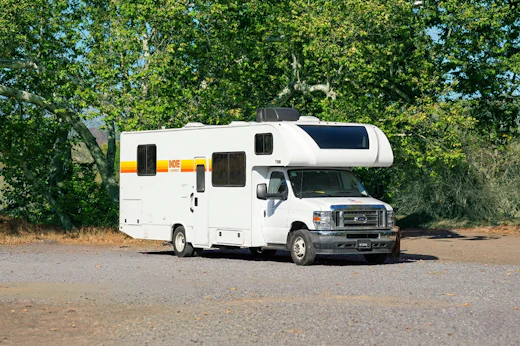
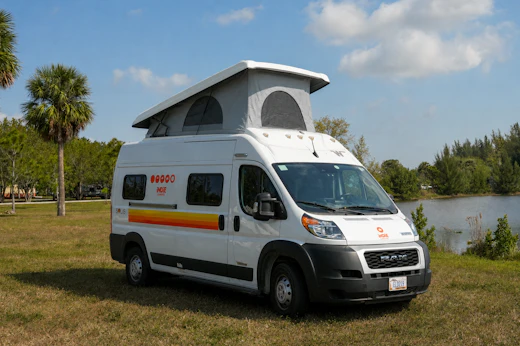
Front-side view of a large white camper van with overhead cab, no roof tent.

Family Select

4.7(500+)
7 Seats
Sleeps 7
Shower
Toilet
From

/night

Large motorhome van, front-side view, with over-cab sleeping area and no roof tent visible.

Comfort Select

4.7(500+)
6 Seats
Sleeps 6
Shower
Toilet
From

/night

Large white camper van, side and front view, with over-cab sleeping area and no roof tent.

Comfort

4.7(500+)
6 Seats
Sleeps 6
Shower
Toilet
From

/night

Front-side view of a medium camper van with raised roof tent.

Active Plus

4.7(500+)
4 Seats
Sleeps 4
Shower
Toilet
From

/night

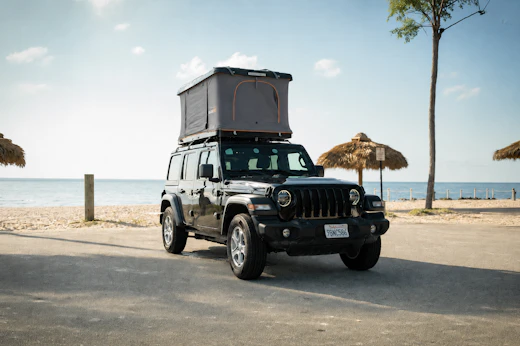
Front view of mid-size black van with roof tent.

Adventure Standard

4.7(500+)
5 Seats
Sleeps 2
Shower
From

/night

Our Pick-up Center

Indie Campers Boston

324 E Main St, Norton, MA 02766, USA

Get Inspired

Our Road Trips Itineraries

San Francisco to Seattle Road trip road trip

San Francisco to Seattle Road trip

Orlando to Key West Road Trip road trip

Orlando to Key West Road Trip

Texas Road Trip road trip

Texas Road Trip

Grand Canyon Road Trip road trip

Grand Canyon Road Trip

See more

Reviews in Boston

Gregory W.

“Indie campers was a positive experience. At pick up they upgraded us to a new RV that was bigger. There were no issues with the vehicle. Drop off was smooth and easy. I would definitely rent again and recommend to friends and family.”

Matt B.

“Excellent adventure we loved the van!”

Noel C.

“Jose and the office where we picked up the camper were incredibly helpful.”

See all reviews in Boston

Destinations Near Boston

RV Rental in

New York

See more

RV Rental in

Chicago

See more

RV Rental in

Atlanta

See more

RV Rental in

Nashville

See more

RV Rental in

Orlando

See more

RV Rental in

Miami

See more

RV Rental in

Dallas

See more

RV Rental in

Denver

See more

RV Rentals in North America

USASan FranciscoLos AngelesLas VegasSalt Lake CityAnchorageSeattleCanadaDenver

RV Rentals in Europe

IcelandBarcelonaScotlandEdinburghUKItalyIrelandGermanyFranceNorway

RV Rentals in Oceania

AustraliaNew ZealandSydneyAucklandMelbourneChristchurchQueenstownPerthCairns
  1. Home
  2. USA
  3. Boston