Indie Campers logoIndie Campers logo
  • North America
    AnchorageCalgaryChicagoDenverLas VegasLos AngelesMiamiNew YorkPhoenixSalt Lake CitySan DiegoSan FranciscoSeattleTorontoVancouver
    Europe
    CroatiaFinlandFranceGermanyGreeceIcelandIrelandItalyNetherlandsNorwayPortugalSpainSwedenSwitzerlandUnited Kingdom
    Oceania
    AucklandBrisbaneCairnsChristchurchDarwinMelbournePerthQueenstownSydneyHobart
    Popular Destinations
    BarcelonaBolognaBordeauxBristolCanadaDublinEdinburghLyonMarseilleMilanNiceOsloReykjavikSardinaScotlandTromsø
    Campervan driving towards the sunset
    See all Locations →
  • Models
  • Buy a Campervan
  • Become a Host
  • RoadtripsBlog
  • Help
Deals
Deals

Explore Alicante With Us!

Kick off your Spanish coastal adventure with a campervan hire in Alicante, a sun-drenched city nestled between mountains and the Mediterranean. Drive north towards Valencia, south to Almería, or inland to explore Spain's whitewashed villages. Indie Campers offers air-conditioned vans with plenty of storage for beach gear and extras like camping kits for those spur-of-the-moment stops. Enjoy unlimited kilometres and flexible one-way hires to plan your own route under the Spanish sun. With Indie Campers' 5-star rating and trusted service across Europe, your Costa Blanca road trip starts effortlessly.

Campervan Road Trips from Alicante

Alicante is a Mediterranean city of 330,000 people on the southeastern coast of Spain, in the province of the same name and the Valencian Community. It sits at the geographical centre of the Costa Blanca, a 244-mile coastline that runs from Dénia in the north to Pilar de la Horadada in the south, with an average of 320 sunny days per year and a sea temperature that stays above 20°C from June through October. The city's defining landmark is the Castillo de Santa Bárbara, a 9th-century Moorish fortress enlarged by Charles I in the 16th century, set on top of Mount Benacantil at 166 metres with views across the bay, the port, and the Explanada de España, the 500-metre palm-lined marble promenade along the waterfront.
Alicante-Elche Airport (ALC, GPS: 38.2822° N, 0.5582° W) is 9 miles southwest of the city centre, one of the five busiest airports in Spain by annual passengers, with direct routes from the UK (Ryanair, EasyJet, Jet2, British Airways from multiple UK airports), Germany (Ryanair, Eurowings), the Netherlands, Belgium, Scandinavia, and Ireland, plus domestic connections to Madrid, Barcelona, and the Canary Islands. The combination of ALC's route network and the Indie Campers depot in Alicante means that the Costa Blanca is one of the most accessible campervan starting points in southern Europe for international travellers.
The geographic logic of a route from Alicante is linear in both directions. North along the AP-7 or the N-332: Villajoyosa (32 miles, 35 minutes), Benidorm (44 miles, 40 minutes), Altea (54 miles, 50 minutes), Calpe and the Peñón de Ifach (67 miles, 55 minutes), Dénia (96 miles, 1 hour 20 minutes), and Valencia (170 miles, 1 hour 50 minutes via the AP-7). South: Santa Pola and Tabarca Island ferry (21 miles, 25 minutes), Guardamar del Segura (35 miles, 35 minutes), Torrevieja (43 miles, 45 minutes), Cartagena (110 miles, 1 hour 10 minutes), and Murcia city (80 miles, 55 minutes). Into the interior: Guadalest (72 miles, 1 hour 10 minutes), Alcoy (58 miles, 55 minutes), and the Sierra de Aitana (60 miles, 1 hour).
The Alicante campervan season runs effectively year-round. Winter on the Costa Blanca is the mildest on the Spanish mainland: January average high 17°C, frosts almost nonexistent below 200 metres altitude, rainfall concentrated in October to December. This makes Alicante one of the few Spanish Indie Campers depots where a November or February hire is genuinely comfortable.
Campervan Road Trips from Alicante

What to do in Alicante

Image placeholder

Best Campgrounds Near Alicante
  • Peñón de Ifach, Calpe - 67 miles north of Alicante via the AP-7 (toll) or N-332 (free), approximately 55 minutes via the AP-7 and 1 hour 15 minutes via the N-332. The Peñón de Ifach is a 332-metre monolithic limestone rock connected to the Calpe coastline by a narrow isthmus, forming the entire headland of the Parque Natural de la Sierra del Maigmó i Serra del Reclot (the park covering the Ifach rock itself is the Parque Natural del Peñón de Ifach, 45 hectares, the smallest natural park in the Valencian Community). The rock is visible from 30 miles offshore and serves as the visual identifier for the northern Costa Blanca.
  • Jávea (Xàbia) and the Cabo de la Nao Headland - 86 miles north of Alicante via the AP-7 and CV-734, approximately 1 hour 5 minutes. Jávea is a municipality of 33,000 residents (doubled in summer) between two protected headlands: Cabo de San Antonio (north, Parque Natural del Montgó, 2,117 hectares) and Cabo de la Nao (south). The old town sits 4 miles inland from the port; the port area (El Puerto) and the Playa del Arenal (GPS: 38.7817° N, 0.1649° E, 600-metre beach of coarse sand, calm water, the main family beach) are the two primary coastal reference points.
  • Dénia and the Ferry to Ibiza and Formentera - 96 miles north of Alicante via the AP-7 and N-332, approximately 1 hour 20 minutes. Dénia (population 43,000) is the northernmost coastal town in Alicante province, immediately below the 752-metre Cap de Sant Antoni, and the primary Valencian departure point for Baleàric Lines (Baleària) and Trasmediterránea ferries to Ibiza (2 hours 30 minutes, fast ferry) and Formentera (2 hours 45 minutes via Ibiza). A campervan base at the Dénia motorhome area gives access to the ferry as a day-trip from the mainland or as a multi-night Balearic Islands extension, subject to ferry vehicle capacity and seasonal booking.
  • Tabarca Island - 21 miles south of Alicante via the Santa Pola ferry or the Alicante harbour ferry. Tabarca (officially Isla Plana o Nueva Tabarca) is the only permanently inhabited island in the Valencian Community: 1.8 miles long, 400 metres wide, 50 permanent residents, enclosed by a 3-metre 18th-century wall built by Charles III in 1770 to protect the settlement from Barbary pirates. The entire marine area surrounding Tabarca (1,400 hectares) is Spain's first marine reserve, established in 1986 and the model for all subsequent Mediterranean marine reserves in Spain. The underwater visibility reaches 15-20 metres on a calm day; the northwest section of the reserve holds Posidonia oceanica meadows to 12 metres depth, with sea bream (Sparus aurata), sea bass (Dicentrarchus labrax), moray eels (Muraena helena), and red mullet (Mullus surmuletus) in the shallower sections.
  • Cartagena and the Costa Cálida (Murcia) - 110 miles south of Alicante via the AP-7 and N-332, approximately 1 hour 10 minutes. Cartagena (population 215,000) is the principal city of the Murcia region and one of the largest naval bases in Spain, occupying a natural harbour protected by five Roman-era hills. The city has 3,000 years of continuous occupation: Phoenician (Qart Hadasht, "New City", founded 223 BC), Carthaginian (Hannibal's western Mediterranean headquarters), Roman (Carthago Nova; capital of the Hispania Citerior province, second city of the Roman western empire after Rome), Byzantine, Moorish, and modern Spanish naval. The density of Roman remains within the compact old town (1.5 miles x 1 miles, walkable in 3 hours) justifies the Cartagena detour from Alicante on any route heading south.
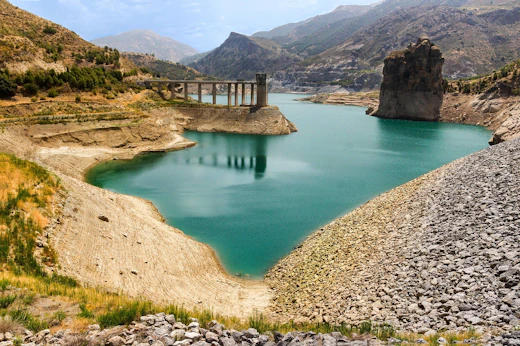
  • Guadalest and the Sierra de Aitana Interior - 72 miles northwest of Alicante via the A-7 and CV-70, approximately 1 hour 10 minutes. Guadalest (El Castell de Guadalest) is a walled medieval village at 570 metres altitude, built on and inside a granite rock outcrop above the Guadalest reservoir. Population: 200 permanent residents; 1.3 million visitors per year, making it one of the three most visited towns in the Valencian Community despite its size. The access to the castle (GPS: 38.6814° N, 0.1945° W, €2 adults, daily 10:00-18:00 in winter, 10:00-20:00 in summer): through a tunnel cut in the rock, 12 metres long, wide enough for one person at a time. The castle keep and the San José church (18th-century Baroque, the original church collapsed in the 1644 earthquake; the current structure was rebuilt in 1740) are both accessible on the castle outcrop. Drive Guadalest to Confrides (13 miles, 20 minutes via the CV-785): the road climbs from the Guadalest reservoir to 900 metres through almond terraces and carob groves; the Sierra de Aitana (the highest peak in the Valencian Community at 1,558 metres) is visible ahead. This stretch of the CV-785 has the most representative view of the traditional Alicante interior landscape: dry stone walls, terraced almonds, and abandoned fincas, none of which is visible from the coastal motorway.

Get Inspired

Our Road Trips Itineraries

Why Hire a Campervan in Alicante

Alicante's geography creates a routing problem that only a campervan solves efficiently. Tabarca Island, the Salinas de Santa Pola flamingos, the Elche Palm Grove, Guadalest castle, and the Serra de Mariola are all within 20 to 65 miles of the city, but they sit in four completely different environments: open sea, salt pan wetland, UNESCO urban palm grove, and 1,390-metre mountain terrain. No hotel base within the Alicante city limits puts you within logical striking distance of all four without a vehicle, and no organised tour covers more than two of them in a single day.

The circuit that makes the clearest case for a campervan from Alicante is the southeast-northwest arc: south along the N-332 to the Salinas de Santa Pola (20 miles, 25 minutes), southwest to Guardamar del Segura and the dune pine forest (30 miles, 35 minutes from Alicante), northwest to Elche and the Palmeral (20 miles, 20 minutes), and north via the CV-70 to Guadalest and the Serra de Mariola (65 miles, 1 hour 10 minutes). Roughly 200 miles in a loop passing a UNESCO World Heritage site, Spain's most important Valencia Community flamingo reserve, the largest dune pine forest in Europe, and a 10th-century rock-needle castle with a turquoise reservoir below. The hotel-based equivalent requires three different towns and three separate check-ins. The campervan version requires one booking.

Why Choose Indie Campers in Alicante

Unlimited mileage: A full Alicante circuit covering Tabarca (ferry), Santa Pola, Guardamar, Elche, Guadalest, and the Serra de Mariola covers 250-350 miles. No daily mileage counter.

One-way hires: Pick up in Alicante and drop off in Valencia, Madrid, or Málaga. The coastal A-7/AP-7 north connects Alicante to Valencia in 1 hour 40 minutes; the A-7 south reaches Cartagena in 1 hour and Almería in 2 hours 30 minutes.

24/7 roadside assistance: Included on every booking. All Alicante circuit routes are within coverage.

Flexible cancellation available: Cancel without penalty up to 31 days before pickup.

Book now, pay later: July and August ALC arrivals peak at 2-3 million passengers per month; vehicle availability sells out 2-3 months ahead for peak season. Secure the vehicle without paying in full immediately.

Best Time to Hire a Campervan in Alicante

Winter (December to February)
Temperatures in Alicante: 12-18°C. Precipitation: Alicante is one of the driest cities in Spain with an annual average of 282 mm; December and January account for approximately 30 mm each, making winter here significantly drier than the rest of Mediterranean Spain.

Alicante in January is operationally the best month for the inland circuit. The Elche Palmeral has no tourist crowds; the Serra de Mariola trails are dry and clear; the Salinas de Santa Pola flamingo count is at its annual peak as northern-breeding birds winter here (January: 3,000-4,500 birds). The Guadalest reservoir in winter morning light with low cloud in the valley is the most photographically productive version of that landscape. Campervan area prices are at their annual minimum.

Best for: Salinas de Santa Pola peak flamingo count (January-February), Elche Palmeral without crowds, Serra de Mariola walking in cool dry conditions, minimum prices.
Skip if: sea swimming is a priority. Mediterranean sea temperature at Alicante in January is 13-14°C.

Spring (March to May)
Temperatures: 15-22°C. Precipitation: March 25 mm, April 28 mm, May 20 mm; the driest spring on the Spanish Mediterranean coast.

The Callosa d'en Sarrià loquat harvest begins in April: the 15-km valley between Callosa and Guadalest turns orange-yellow with the ripening fruit. The April almond blossom in the Vinalopó valley (inland from Alicante toward Villena and Yecla) is the Alicante province equivalent of Mallorca's February almond season, though on a smaller visual scale. Tabarca Island ferry services begin their extended schedule in April; snorkelling conditions are good from April onward (water temperature 16-18°C, visibility 8-12 metres).

Best for: Callosa loquat season (April-May), Tabarca snorkelling without summer crowds, Guadalest and Serra Mariola in spring wildflower season (March-May), pre-season prices.
Skip if: sea swimming temperature is critical; Alicante Mediterranean reaches 20°C in June.

Summer (June to August)
Temperatures: 28-35°C. Precipitation: June 12 mm, July 4 mm, August 5 mm. Alicante in July is one of the driest months in any European city.

Alicante in July and August is the city at maximum animation. The Hogueras de San Juan (Saint John's Eve bonfires, June 20-29, GPS of main monument: 38.3480° N, 0.4850° W, Rambla de Méndez Núñez; the Alicante version of the Valencian fallas tradition, declared of International Tourist Interest; 60+ monuments up to 25 metres tall are built over 6 months and burned in a single night; the mascletà (firecracker display, daily at 14:00 in the main square from June 20-24, GPS: 38.3451° N, 0.4832° W, Plaza del Ayuntamiento) is the most concentrated acoustic experience at any Spanish festival). Tabarca Island in August: the island receives up to 5,000 day visitors on peak days; arrive on the first morning ferry.

Best for: Hogueras de San Juan festival (June 20-29), Tabarca sea swimming (Mediterranean 26-27°C in August), evening Explanada paseo, Guardamar beach morning visits.
Skip if: campervan area availability without advance booking; July-August is fully booked at most Alicante area sites.

Autumn (September to October)
Temperatures: 24-29°C in September, 18-24°C in October. Precipitation: September 25 mm; October is the wettest month in Alicante at 55 mm (still modest by European standards).

September is the optimal month for an Alicante campervan circuit. Mediterranean sea temperature peaks at 26-27°C in late August-September; the Tabarca marine reserve is at its clearest (summer thermocline stabilises the water column; visibility 12-18 metres). The Salinas de Santa Pola receives its post-summer influx of flamingos in September-October as breeding adults from the Camargue and Fuente de Piedra arrive for the autumn moult. The Alicante Moors and Christians festival (Moros y Cristianos de Villena, GPS: 38.6348° N, 1.0267° W, 65 miles northwest of Alicante via the A-31, September 5-12; declared of International Tourist Interest; the largest Moros y Cristianos festival in Spain by number of participants, with 60+ different comparsas parading through the Villena streets [DATA NEEDED: confirm exact 2026 dates]).

Best for: September sea temperature, post-season prices, Tabarca marine reserve clarity, Salinas flamingo autumn influx, Villena Moros y Cristianos (September).
Skip if: guaranteed dry conditions in October; the first autumn rain events can arrive from the 15th of October onward.

The highest-demand hire months in Alicante are July and August. Book 2-3 months ahead for peak season.

How Many Days Do You Need in Alicante

3 to 5 Days

Alicante City, Tabarca, and the Southern Circuit (approx. 200 miles, 4 days)

  • Day 1: Collect vehicle. Alicante city morning: Castillo de Santa Bárbara (free, lift €2.70 return; 1.5 hours). Barrio de Santa Cruz walking circuit (1 hour). MARQ museum (€3, 2 hours; optional). Provisioning at Mercado Central (GPS: 38.3461° N, 0.4834° W, Monday to Friday 8:00-14:00, Saturday 8:00-15:00). Explanada de España evening walk. Overnight Alicante campervan area.
  • Day 2: Morning ferry to Tabarca Island (first departure approximately 10:00; € return). Tabarca town circuit (walls, Iglesia de San Pedro, Governor's House). Snorkelling in the marine reserve. Lunch at island restaurant (caldero €18-25 per person). Return afternoon ferry. Overnight Alicante or Santa Pola.
  • Day 3: N-332 south to Santa Pola (20 miles, 25 minutes). Salinas de Santa Pola circuit (4.5 miles walk, 1 hour; flamingos). Santa Pola lonxa area for fresh fish provisioning. Continue south to Guardamar del Segura (30 miles from Alicante, 35 minutes). Dunas de Guardamar pine forest walk (2 hours, flat). Guardamar beach afternoon swim. Overnight Guardamar.
  • Day 4: N-332 north to Elche (30 miles from Guardamar, 30 minutes). Huerto del Cura (€5; Palmera Imperial). Basílica de Santa María (free). Museu de la Festa (€3; optional). Return to Alicante (20 miles, 20 minutes). Return vehicle.

7 to 10 Days

Full Alicante Circuit: Coast, Wetlands, and Mountains (approx. 400 miles, 7 days)

  • Days 1-4: As above (city, Tabarca, Santa Pola salinas, Guardamar, Elche).
  • Day 5: A-7 north from Alicante to Callosa d'en Sarrià (45 miles, 45 minutes). Loquat valley drive (April-May: loquat harvest market at the Callosa cooperative). CV-70 north to Guadalest (20 miles from Callosa, 25 minutes). Castillo de San José (€3; 1.5 hours). Guadalest reservoir viewpoint. Overnight Guadalest area.
  • Day 6: CV-70 and CV-81 northwest to Alcoi (40 miles from Guadalest, 45 minutes). Alcoi is the origin of the Moros y Cristianos festival tradition (the Alcoiana festival, celebrated since 1276, the oldest Moros y Cristianos festival in Spain; the Museu Alcoià de la Festa, GPS: 38.6990° N, 0.4742° W, €3, tells the full history). CV-81 to Agres and the Serra de Mariola (15 miles from Alcoi, 20 minutes). PR-CV 29 trail from Agres (8 miles round trip, 3 hours): nevera de Agres ice well, herb-covered slopes, Tossal de Mariola summit. Overnight Agres area [DATA NEEDED].
  • Day 7: A-7 south back to Alicante (65 miles, 1 hour via Alcoi). Return vehicle or one-way departure.

14 Days or More

Alicante to Valencia: The Full Southeast Mediterranean Arc (approx. 700 miles)

  • Days 1-7: Full Alicante circuit as above.
  • Day 8: A-7 north from Alicante to Denia (100 miles, 1 hour 10 minutes). Denia castle (GPS: 38.8418° N, 0.1165° E, the largest castle footprint in the Valencia Community; €4 adults [DATA NEEDED: confirm current price and hours]). Cabo de San Antonio Natural Park (GPS: 38.7977° N, 0.1522° E, the southernmost headland of the Marina Alta coast; free; 4-km cliff walk).
  • Day 9: Denia to Xàbia (Jávea, 10 miles north; GPS: 38.7901° N, 0.1679° E). Cabo de la Nau (GPS: 38.7277° N, 0.2350° E, the easternmost point of the Valencia Community; free; the cliff road from Xàbia to the cape, 10 miles, is accessible for standard campervans). Overnight Xàbia area [DATA NEEDED].
  • Days 10-12: A-7 north to Gandía (150 miles from Alicante, 1 hour 30 minutes). Gandía Playa campervan area. Continue to the Albufera de Valencia natural park (GPS: 39.3310° N, 0.3275° W, the largest lagoon in Spain, 21,000 hectares; the origin of Valencian rice and paella); all-i-pebre (eel stew with paprika and garlic, the traditional Albufera dish, €12-15 at the lake restaurants [DATA NEEDED: confirm current price]).
  • Days 13-14: Valencia city (40 miles north of the Albufera, 40 minutes). Return vehicle at the Valencia depot.

Where to Refuel and Refill Near Alicante

Fuel Stations

  • Alicante fuel pricing: Diesel approximately €1.45-1.65/litre; SP95 approximately €1.50-1.70/litre. Motorway AP-7 service stations run 6-8% above city centre pump prices.
  • Before the Serra de Mariola circuit: Refuel in Alicante or in Alcoi (GPS: 38.6990° N, 0.4742° W; multiple stations on the A-7 approach); there is no fuel station in Agres or on the CV-81 mountain section.
  • South circuit (Santa Pola, Guardamar): Fuel in Santa Pola town or Guardamar; no gap exceeding 20 miles on the N-332.
  • Before Guadalest: Refuel in Callosa d'en Sarrià (GPS: 38.6597° N, 0.0606° W); no fuel at Guadalest or on the CV-70 mountain section.

LPG / Autogas

  • LPG provision in the Alicante metropolitan area is reasonably good by Spanish coastal standards. Use the GasMap app (iOS/Android, free) to locate stations in real time.
  • Fill LPG in Alicante or Elche before starting the inland mountain circuit; there is no confirmed LPG provision on the CV-70 (Guadalest) or CV-81 (Serra de Mariola) routes.

Dump Stations and Water

  • Apps: Park4Night and Área de Autocaravanas for confirmed dump and water locations across the province.

Tips for Hiring in Alicante

Age and Licence Requirements
Minimum hire age: 21 years.

EU licence holders: a full EU driving licence is valid throughout Spain.

Non-EU visitors (including UK post-Brexit): an International Driving Permit (IDP) is recommended alongside the national licence. Obtain from your home automobile association before departure; not available at ALC or Spanish hire counters.

Credit Card and Deposit
A credit card in the primary driver's name is required at pickup. Deposit amount varies by vehicle class and selected protection plan.

AP-7 Motorway Tolls
The AP-7 north (Alicante to Valencia) is tolled; the A-7 south to Murcia is free on most sections. If the itinerary is purely the southern and inland Alicante circuit (Santa Pola, Guardamar, Elche, Guadalest, Serra de Mariola), total toll costs are zero.

Reservation Systems

  • Park4Night: primary tool for locating campervan areas in the Alicante province.
  • Área de Autocaravanas app: Spain-specific, real-time municipal area list.

Advance booking essential for:

  • Tabarca ferry (July-August): book the day before minimum; the morning departure sells out.
  • Guadalest in August: the Guadalest large vehicle car park fills by 10:00; arrive before 9:00.

Driving Tips for Alicante

Speed Limits

  • Alicante urban streets: 50 mph main roads; 30 mph residential zones.
  • AP-7 / A-7 (dual carriageway): 120 mph under 3.5 tonnes; 100 mph over 3.5 tonnes.
  • N-332 (coastal national road): 90 mph open sections; 50 mph through Santa Pola and Guardamar.
  • CV-70 (Guadalest mountain road): 90 mph open sections; 50 mph Callosa and Guadalest approaches; 40 mph through the narrowest valley sections.
  • CV-81 (Serra de Mariola): 90 mph open sections; 40 mph on the Agres approach and the mountain hairpins.

Road Conditions

  • N-332 (Alicante to Guardamar, south): Good two-lane surface, fully accessible for all campervan categories.
  • CV-70 (Callosa to Guadalest): Good surface, two-lane throughout; no length restrictions for standard campervans. The final 300 metres to Guadalest village gate: not accessible for campervans; use the CV-70 large vehicle car park.
  • CV-81 (Alcoi to Agres): Two-lane with some tight bends in the last 5 miles into Agres; accessible for campervans up to 6.5 metres at reduced speed.
  • A-7 to Elche: Dual carriageway, no restrictions.

Campervan-Specific Notes

Alicante city centre: The Barrio de Santa Cruz and the streets around the Concatedral de San Nicolás are inaccessible for campervans (streets 3-4 metres wide). Navigate to the port campervan area and enter the old town on foot.

Hogueras de San Juan festival (June 20-29): Alicante city road access is significantly restricted during the festival week, particularly on June 24 (bonfire night). Confirm vehicle access to the campervan area with the depot team before arriving during this period; it may be necessary to park outside the city perimeter and take a taxi in for the main events.

Summer afternoon winds: The Alicante bay receives the westerly thermal wind (the poniente) in the afternoons from 14:00-19:00, reaching 25-35 mph in July and August. High-profile campervans on the N-332 coastal sections should reduce speed on exposed sections.

Estimated Costs for a 7-Day Alicante Campervan Trip

Campervan hire: €600-1,600 (varies by vehicle size and season; July-August highest; November to March lowest)

Fuel: €50-80 (diesel approximately €1.50-1.60/litre [DATA NEEDED: verify current prices]; a 7-day Alicante circuit covers 250-400 km; the compact Alicante circuit geography makes this the lowest fuel cost of any Spanish Mediterranean depot)

Tolls: €0-30 (south and inland circuit: zero tolls; AP-7 north if extending to Valencia: €10-14 per direction depending on vehicle weight class)

LPG: €8-12 (one refill)

Campgrounds and campervan areas: €70-175 (€10-25/night x 7; municipal areas €10-15/night; peak season coastal areas €20-25/night)

Food: €105-280 (self-catering from Mercadona and Mercado Central: €18-22/day; set lunch in Alicante or Santa Pola: €16-22/person; gamba roja dinner in Santa Pola: €25-40/person)

Activities: €30-70 (Castillo Santa Bárbara free, lift €2.70; Huerto del Cura €5; MARQ museum €3; Museu de la Festa Elche €3; Guadalest castle €3; Tabarca ferry [DATA NEEDED]; Serra de Mariola PR-CV 29 free; Salinas de Santa Pola free)

Budget: approx. €550 -- Compact vehicle, all municipal campervan areas at €10-12/night, all free attractions (Castillo Santa Bárbara entry, Salinas de Santa Pola walk, Guardamar dune forest, Agres trail), self-catering from Mercadona, no AP-7 tolls.

Mid-range: approx. €1,150 -- Mid-size vehicle, Tabarca ferry, Huerto del Cura, Guadalest castle, Elche Museu de la Festa, mix of municipal areas and one serviced campsite, set lunch menus in restaurants plus two arroz a banda evenings.

Premium: approx. €2,000+ -- Large motorhome, full cultural circuit, gamba roja de Santa Pola at the lonxa price (€40-60/person dinner), Callosa loquat cooperative visit (seasonal), fully serviced campsites throughout, AP-7 extension to Valencia included.

One-Way Hires from Alicante

Alicante → Valencia (170 miles, 1 hour 40 minutes via the AP-7) — The AP-7 north passes Benidorm (50 miles, 35 minutes), Denia (100 miles, 1 hour 10 minutes), Gandía (130 miles, 1 hour 20 minutes), and the Albufera lagoon before reaching Valencia. Add 2-3 days for the Marina Alta capes and the Albufera rice country without significant detour. AP-7 toll from Alicante to Valencia: approximately €10-14 depending on vehicle weight class.

Alicante → Madrid (420 miles, 3 hours 45 minutes via the A-31) — Northwest through the Vinalopó valley past Villena (Moros y Cristianos festival, September; the Castillo de Villena, GPS: 38.6336° N, 1.0215° W, 12th-century Almohad fortress, one of the best-preserved in inland Spain) and Albacete to the Castilian plateau. A natural 2-day route.

Alicante → Málaga (570 miles, 5 hours via the A-7 coastal) — The full southeastern Mediterranean coast drive: Cartagena, Almería, Cabo de Gata, Mojácar, and the Almería desert film location set (the Oasys MiniHollywood theme park, GPS: 37.0500° N, 2.3800° W, built on the original Leone western film sets). Best as a 5 to 7-day one-way.

Alicante → Barcelona (520 miles, 4 hours 45 minutes via the AP-7) — North along the full Spanish Mediterranean arc through Valencia (170 miles), Castellón, and Tarragona (420 miles). The Tarraco Roman amphitheatre in Tarragona (GPS: 41.1158° N, 1.2548° E; UNESCO WHS 2000; the only Roman amphitheatre in Spain facing the sea, 2nd century AD) sits 90 minutes from Barcelona directly on the AP-7. AP-7 toll Alicante to Barcelona: approximately €30-40 depending on vehicle weight class.

Why Start Your Campervan Trip in Alicante

Alicante-Elche Airport (ALC, GPS: 38.2822° N, 0.5581° W, 9 miles southwest of the city centre) is the fifth-busiest airport in Spain and the primary British market gateway to the Spanish Mediterranean. Over 30 UK airports operate direct routes to ALC with Ryanair, Jet2, easyJet, and TUI; the average flight time from London is 2 hours 30 minutes. For a UK visitor arriving with a campervan plan, ALC eliminates the Madrid or Barcelona connection that other Spanish inland depots require.

Three specific factors make Alicante the right pickup point for a southeast Spain circuit. First, the depot is within 20 minutes of ALC by taxi or shuttle, making a same-day start possible: land at midday, collect the vehicle by 14:00, reach the Salinas de Santa Pola flamingos before 16:00. Second, the N-332 coastal road and the A-7 motorway radiate from Alicante in four directions without tolls on the most useful sections: south to Murcia, north to Denia and Valencia, northwest to Elche and the Vinalopó valley, and northeast to Benidorm and the Marina Alta. Third, Alicante's Mercado Central (GPS: 38.3461° N, 0.4834° W, Avenida de Alfonso X el Sabio; Monday to Friday 8:00-14:00, Saturday 8:00-15:00) is 500 metres from the Explanada; a first-morning provisioning stop here covers fresh local produce (Callosa loquats in season, Guardamar-caught fish, Elche dates, and Santa Pola red prawns) before leaving the city.

Frequently Asked Questions in Alicante

Do I need a special licence to hire a campervan in Alicante?

For most travelers, a special licence is not necessary to hire a campervan in Alicante. A valid driving licence is required, though, to operate any of our vehicles. If you are a non-EU citizen, an International Driving Permit (IDP) may be required in addition to your home country’s driving licence. Additionally, your licence must match the transmission type of the vehicle (manual or automatic). You can find more details about driving licence requirements here.

Are pets allowed in your campervans?

Yes, our campervans are pet-friendly. Just be sure to add the extra cleaning service when booking. This ensures a professional anti-allergy cleaning is carried out after your trip. Please note that only one pet is allowed per campervan, and it must not exceed 30kg in weight. Also, we are not liable for any legal fees related to traveling with pets. If you’re booking through our marketplace, check the “vehicle rules” section to confirm if the vehicle is pet-friendly.

How many people can sleep in a campervan?

The sleeping capacity of our campervans and motorhomes varies depending on the model and size. Our Class C motorhomes can typically accommodate 4 to 8 people, while our Class B campervans can sleep between 2 to 4 people. Vehicles equipped with a rooftop tent generally have space for around 2 people. For a full breakdown of our models and sleeping capacities, click here.

Where can I stay overnight in Alicante with a campervan rental, and is it safe?

If you're exploring Alicante in a campervan rental, it's essential to be aware of the country’s official camping regulations. Many natural areas are legally protected, so using designated overnight parking spots or official campsites is strongly recommended. This not only helps preserve the environment but also ensures a safe and enjoyable experience. For more guidance on safety and responsible camping, click here.

Is it safe to rent a campervan in Alicante? What protection do I have?

We provide three different protection plans to cover any incidents or damages that might occur during your campervan rental. All Indie Campers campervans come with third-party vehicle insurance, and property damage coverage (which varies based on the country). For marketplace rentals, insurance options may differ depending on the host. For further details on campervan insurance, visit this page.

Can I rent a campervan near me?

Yes, our search filter makes it easy to rent a campervan close to your location by using a 60km radius system. Depending on where you're searching from, you can quickly find the nearest Indie Campers campervan rental pick-up centre.

Do your RV rentals in Alicante come with unlimited mileage?

Yes, a selected number of Indie Campers RV rentals in Alicante include unlimited mileage, allowing you to explore freely and make the most of your road trip! Please note that unlimited mileage applies exclusively to Indie Campers RVs and is subject to responsible use.

Popular RV Rental Destinations

Indie Campers logo

We provide top-quality RVs, campervans and motorhomes for rent or sale in several locations across North America, Oceania and Europe through a seamless and personalized online experience.

Company

  • About us
  • Careers
  • Reviews
  • Buy an RV

Resources

  • Blog
  • Media
  • How Indie Rental Works
  • Pet Friendly RV Rental
  • Festivals
  • Indie RV Models

Account

  • Your Account
  • Become a Host

Help & Feedback

  • Submit a Request
  • +1 855-785-5096
  • Help Center
  • Partners

Become a member

Get the latest promotion, rewards, news and updates from our team.

By subscribing, you agree to our Privacy Policy

  • PRR — Plano de Recuperação e Resiliência
  • Financiado pela União Europeia — NextGenerationEU
  • República Portuguesa
  • Portugal 2020
  • COMPETE 2020
  • União Europeia — Fundo Europeu de Desenvolvimento Regional
  • NORTE 2020

© INDIE CAMPERS - ALL RIGHTS RESERVED 2026

Privacy PolicyTerms of ServiceSecurity
Extra 5% off on trips of 7+ nights with ROAD26
:
:
:
ROAD TRIP SEASON

Book 7 nights or more and enjoy an EXTRA 5% discount for travel dates until April 30, 2027. Use code ROAD26.

Campervan Rental in Alicante

Start your Roadtrip with a Motorhome

4.7From 73,000+ travelers

Up to 20% off road trips

Book today before the best prices disappear

Best Price Guarantee

Explore Without Limits

Travel Worry-Free

World-Wide Reach

Unmatched Choice

Explore our RVs in Alicante

Our Campervans

eu-active-poptop-4-auto-select

Active Plus Select

4.7(500+)
4 passengers
Sleeps 4
Shower
Toilet
Medium camper van, front and side view, high roof, no roof tent, door and windows on side, compact layout.

Comfort Standard Select

4.6(500+)
5 passengers
Sleeps 5
Shower
Toilet
Front view of a large campervan with over-cab bed and side windows, no roof tent visible.

Comfort Standard

4.6(500+)
5 passengers
Sleeps 5
Shower
Toilet
Medium-sized campervan side and front view, integrated cab, no roof tent, with extended living area.

Comfort Plus Select

4.7(500+)
4 passengers
Sleeps 4
Shower
Toilet
Blue camper van parked on a dirt road surrounded by trees, suitable for outdoor travel and camping adventures.

Active Standard Select

4.7(500+)
4 passengers
Sleeps 2
Shower
Toilet

Our Pick-up Centre

Indie Campers Alicante

C. Modelistas, 6, 03640 Elda, Alicante, Spain

Get Inspired

Our Road Trips Itineraries

South-West Spain Road Trip road trip

South-West Spain Road Trip

Madrid road trip road trip

Madrid road trip

Catalonia Road Trip road trip

Catalonia Road Trip

Spanish Coastal Road Trip road trip

Spanish Coastal Road Trip

See more

Reviews in Alicante

steven s.

“Michele and Gabriele drop off in Bari, Italy. They couldn't be any nicer and helpful. We have experienced picking up and now dropping off a camper with them and they go above and beyond to make the experience easy and enjoyable. Thank you”

Patrice T.

“War super, konnten alles sehen was wir erhofft hatten. Hatten eine tolle Zeit mit dem Camper.”

Otto O.

“Experiencia fabulosa, un viaje super (:”

See all reviews in Alicante

Destinations near Alicante

Campervan Hire in

Valencia

See more

Campervan Hire in

Madrid

See more

Campervan Hire in

Palma de Mallorca

See more

Campervan Hire in

Malaga

See more

Campervan Hire in

Barcelona

See more

Campervan Hire in

Seville

See more

Campervan Hire in

Bilbao

See more

Campervan Hire in

A Coruña

See more

RV Rentals in Oceania

AustraliaNew ZealandSydneyAucklandMelbourneChristchurchQueenstownPerthCairns

RV Rentals in Europe

IcelandBarcelonaScotlandEdinburghUKItalyIrelandGermanyFranceNorway

RV Rentals in North America

USASan FranciscoLos AngelesLas VegasSalt Lake CityAnchorageSeattleCanadaDenver
  1. Home
  2. Spain
  3. Alicante