Yosemite National Park is one of the most iconic outdoor destinations in the United States, known for towering granite cliffs, powerful waterfalls, and famous viewpoints like Tunnel View and Glacier Point. Whether you’re visiting for the first time or returning to explore more of the High Sierra, Yosemite is the kind of place that rewards travellers who plan well and start their days early.
Renting a Campervan makes it easier to explore Yosemite with more flexibility, especially during high season when hotels get fully booked and parking fills up quickly. This guide covers the best Campervan routes, top things to do, the best time to visit by season, where to camp, Campervan size restrictions to be aware of before you set off, locations of waste disposal points, and practical tips to help you plan your Yosemite road trip.

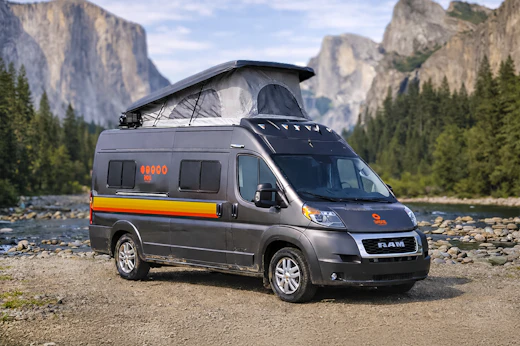
ndie Campers offers multiple pickup locations that work well for Yosemite road trips, whether you want the quickest drive into the park or you’re planning a longer California itinerary.
Yosemite’s landscapes change dramatically depending on where you drive. These routes help you plan your trip by region, avoid backtracking, and prioritise the sights that matter most.
Yosemite Valley Scenic Route
Key stops: Tunnel View, El Capitan Meadow, Bridalveil Fall, Yosemite Falls viewpoints
Approx drive time: 2 to 4 hours (longer with stops and short walks)
Best time to go: early morning for easier parking and fewer crowds
Campervan notes: Yosemite Valley is extremely busy in peak season, so aim to arrive early and avoid moving your Campervan around too often during the day
Glacier Point Road Route
Key stops: Glacier Point, Washburn Point, Taft Point trail access
Approx drive time: 3 to 5 hours with viewpoints and short hikes
Best time to go: late afternoon for dramatic light over Yosemite Valley
Campervan notes: check seasonal access and any vehicle restrictions before you drive this road
Tioga Road to Tuolumne Meadows
Key stops: Tuolumne Meadows, Tenaya Lake, Olmsted Point
Approx drive time: half a day to a full day
Best time to go: mid-morning to the afternoon when conditions are warmer
Campervan notes: Tioga Road is at high elevation and seasonal, so always check the road status before your trip
Mariposa Grove and South Entrance Route
Key stops: Mariposa Grove of Giant Sequoias, Wawona area
Approx drive time: 3 to 5 hours depending on stops
Best time to go: morning for quieter trails
Campervan notes: parking is limited and shuttle services may be in operation depending on the season
Yosemite is one of the best national parks in the country for a mix of well-known viewpoints, waterfall walks and longer hikes. Planning a balance of driving and activities will help you get more out of your trip than trying to cram everything into one day.
Visitor centres and ranger programmes are worth adding to your plan if you'd like help with current trail conditions, safety advice and seasonal road updates.

Yosemite's open all year round, but road access, waterfall conditions and crowd levels vary widely by season. Choosing the right time to visit depends on whether you want peak waterfall season, full access to the high country, or a quieter trip.
Spring (March to May)
Typical weather: 4 to 21°C (40–70°F)
Pros: strong waterfalls, greener landscapes, great conditions for photos
Cons: lingering snow at higher elevations, some roads may still be closed
Best for: waterfall season, Yosemite Valley hikes, first-time visitors
Summer (June to August)
Typical weather: 21 to 32°C (70–90°F) in the valley, cooler at higher elevations
Pros: best access to Tioga Road and the high country, long daylight hours
Cons: peak crowds, limited parking, campsites fill up well in advance
Best for: full Yosemite access, family trips, longer itineraries
Autumn (September to October)
Typical weather: 7 to 27°C (45–80°F) depending on elevation
Pros: smaller crowds, excellent hiking conditions, more relaxed driving
Cons: waterfalls can be lower, weather becomes less predictable later in October
Best for: hiking-focused trips, scenic drives, avoiding peak summer crowds
Winter (November to February)
Typical weather: -4 to 13°C (25–55°F) in the valley, colder with snow at elevation
Pros: quiet atmosphere, dramatic winter scenery, easier access to Yosemite Valley
Cons: limited high-country access, snow chains may be required
Best for: peaceful trips, winter photography, shorter Yosemite Valley visits
Campsites inside Yosemite National Park
Yosemite has several campsites, but availability is limited and bookings are essential during high season. Many campsites also have Campervan length limits, so it’s important to confirm your vehicle size before booking.
Campervan parks and campsites outside the park (backup options)
If in-park campsites are full, staying outside Yosemite can be a practical alternative. These options often provide more services, easier availability, and a smoother experience for longer Campervan stays.
Popular gateway areas include Groveland, Mariposa, Oakhurst, and El Portal, depending on which entrance you plan to use most.
Dump stations (specific locations)
Planning for waste disposal is important in Yosemite because most campsites do not offer hook-ups. The easiest approach is to plan one dump stop every few days, especially if you are staying in Yosemite Valley or doing longer drives between regions.
Dump stations inside Yosemite National Park
Dump stations near Yosemite (outside the park)
Shuttle system tip
Yosemite Valley uses a shuttle system during busy periods, which can make it easier to explore without moving your Campervan between stops. If you’re visiting in high season, it’s often best to park once and use the shuttle to reach trailheads and key viewpoints.
Some roads in Yosemite have vehicle length limits or are simply difficult for larger Campervans. For the easiest experience, many travellers choose a Campervan under 25 to 30 ft.
Key restrictions to know:
If you’re travelling in a larger Campervan, plan to focus on Yosemite Valley access points and check road restrictions before you set off.
Yosemite Valley is the best starting point for iconic views, while Glacier Point Road and Tioga Road offer some of the park’s most scenic drives. Tioga Road is seasonal, so it’s important to check whether it’s open before you travel.
Yep. Indie Campers offers Campervan rentals with pickup locations in San Francisco and Los Angeles, making it easy to start your Yosemite road trip.
Yosemite campsites can fill up quickly, especially in spring and summer. It's best to book as early as possible for peak travel dates.
For spring and summer trips, it’s best to book your Campervan as early as possible, especially if you want a specific vehicle type or are travelling on popular dates.
Most campsites inside Yosemite don’t have hook-ups. Travellers planning longer stays often opt for Campervan parks outside the park for full facilities.
Many travellers prefer a Campervan around 25–30 ft for easier parking and campsite access, especially in Yosemite Valley.
Yes. Some roads and areas have vehicle length restrictions, including Glacier Point Road, Mariposa Grove Road and Hetch Hetchy Road. Always check restrictions before you drive.
Overnight stays are usually only allowed in designated campsites. Overnight parking in lay-bys or day-use car parks isn't allowed.
Yosemite often needs a timed-entry reservation during busy periods. Rules can change by season, so check the official Yosemite National Park website before you go and book entry as early as possible if reservations are in effect.
Spring and early summer are usually the best times to see waterfalls, especially in Yosemite Valley.
Yes, but planning matters. Booking campsites in advance, choosing the right Campervan size, and getting an early start will make the experience a lot easier.

Explore with Indie Campers