Indie Campers LogoIndie Campers Logo
North America
AnchorageCalgaryChicagoDenverLas VegasLos AngelesMiamiNew YorkPhoenixSalt Lake CitySan DiegoSan FranciscoSeattleTorontoVancouver
Europe
CroatiaFinlandFranceGermanyGreeceIcelandIrelandItalyNetherlandsNorwayPortugalSpainSwedenSwitzerlandUnited Kingdom
Oceania
AucklandBrisbaneCairnsChristchurchDarwinMelbournePerthQueenstownSydneyHobart
Popular Destinations
AthensBarcelonaBristolCanadaEdinburghLisbonLondonManchesterMilanNiceOsloScotlandTromsøUSA
Campervan driving towards the sunset
See all Locations →
ModelsBuy a CampervanBecome a Host
RoadtripsBlog
Help
Deals
Deals

Explore Anchorage With Us!

Drive deep into Alaska with an campervan hire in Anchorage from Indie Campers and experience the wild beauty of the Last Frontier. Explore the vast landscapes of Denali National Park, camp along the breathtaking Kenai Peninsula, or venture north along open highways framed by glaciers and mountain peaks. Choose from our extensive fleet, from the Adventure to Comfort range, with unlimited miles, heating kits, snow gear, and 24/7 online assistance to keep you prepared in any season. Indie Campers is trusted by travelers across the U.S. for reliable RVs and 4.8-star-rated support.

RV Road Trips from Anchorage

Anchorage is not a gateway to Alaska in the way that a regional airport is a gateway to a city. It is the single point of entry for the most road-accessible wilderness in the western hemisphere: 663,268 km² of national park land within 500 km of the pick up center, containing the highest peak in North America, the most productive marine fjord system on the continent's Pacific coast, and the largest national park in the United States by a factor of six. No other location in the Indie Campers US network puts that quantity of protected landscape within a week's drive.
The distances are significant but the arithmetic is favorable. Denali National Park's Wilderness Access Center is 389 km north via the Parks Highway (AK-3), approximately 4.5-5 hours in summer driving conditions. Kenai Fjords National Park's Exit Glacier parking area is 200 km south via the Seward Highway (AK-1) and AK-9, approximately 2.5-3 hours. Wrangell-St. Elias National Park's Kennecott Mines visitor area is 455 km east via the Glenn Highway and Edgerton Highway, approximately 6-7 hours including the unpaved McCarthy Road. Homer on the Kenai Peninsula is 350 km south via AK-1, approximately 4.5 hours. The Matanuska Glacier, the largest glacier accessible by road in the United States, is 145 km northeast via the Glenn Highway (AK-1 east), approximately 2 hours. The road network from Anchorage runs in five primary directions; none of them leads to anything ordinary.
Ted Stevens Anchorage International Airport (ANC). ANC handles direct domestic routes from Seattle (SEA, 3 hours), Los Angeles (LAX, 6 hours), Denver (DEN, 5.5 hours), Chicago O'Hare (ORD, 7 hours), Dallas/Fort Worth (DFW, 7 hours), and New York (JFK/EWR, 9-10 hours), as well as seasonal international routes from Tokyo Narita and Seoul Incheon. Alaska Airlines is the dominant carrier on the Seattle and lower-48 routes.
Alaska operates on a different set of rules than the continental United States. Cell coverage ends at the Anchorage metro boundary on most carriers; the Parks Highway north of Wasilla, the Seward Highway south of Girdwood, and the Glenn Highway east of Palmer carry spotty to no service for the majority of their length. Download offline maps, campground confirmations, and park information before leaving the depot. Bear awareness is not optional: black bears and grizzly (brown) bears are present throughout the state park and national park network, and proper food storage is legally required in most backcountry camping areas. Fuel prices run $0.50-$1.00/gallon higher than the lower-48 average across the state; GasBuddy is functional in the Anchorage metro but less useful once you are north of Palmer or south of Girdwood. Know your tank range and fill at every opportunity outside of Anchorage.
The payoff for accepting these parameters is a landscape operating at a different scale from anything else in the North American network. At 61° north latitude in late June, Anchorage receives 19.5 hours of daylight; by the summer solstice on June 21, the sun sets at 11:42 p.m. and rises again at 4:20 a.m. Driving north on the Parks Highway at 10 p.m. under full daylight with Denali filling the northwest horizon is an experience that has no equivalent anywhere south of the Arctic Circle.
RV Road Trips from Anchorage

What to do in Anchorage

Top National Parks and Scenic Drives Near Anchorage
Best Campgrounds Near Anchorage
Local Tips for Anchorage
  • Denali National Park and Preserve - 389 km north via AK-1 north and AK-3 (Parks Highway) to the Denali park entrance at mile 237.3 (GPS: 63.7333° N, 148.9167° W), approximately 4.5-5 hours. Denali covers 2.4 million hectares: a landmass larger than the state of Vermont. The single road into the park is the 148-km Denali Park Road, which penetrates west through the full arc of sub-Arctic taiga, alpine tundra, glacial river braids, and high mountain terrain on the north side of the Alaska Range. Private vehicles are permitted on the first 24 km of the road, to the Savage River Check Station (GPS: 63.7280° N, 150.0300° W). Beyond Savage River, the road is restricted to park-operated buses for most of the summer season, preserving the wildlife visibility that vehicle traffic would eliminate. This restriction is not a problem. It is the design.
  • Kenai Fjords National Park - 200 km south via AK-1 (Seward Highway) to Seward and AK-9 to the Exit Glacier area (GPS Exit Glacier parking: 60.1866° N, 149.6319° W), approximately 2.5-3 hours. Kenai Fjords covers 243,947 hectares on the Kenai Peninsula, the most glacially active national park on the North American Pacific coast. The Harding Icefield, 777 km² of permanent glacial ice at an average elevation of 1,500 meters, feeds 40 named glaciers that calve into the fjord system below. The fjords themselves are drowned river valleys carved by Pleistocene glaciers and flooded by post-Ice Age sea level rise; the walls are steep, the water is cold, and the marine wildlife density per kilometer of fjord coastline is the highest on the Alaska Peninsula.
  • The Seward Highway: Anchorage to Seward - The Seward Highway (AK-1 south from Anchorage, then AK-9 to Seward, 200 km total) is one of two National Scenic Byways in Alaska and is federally designated as an All-American Road, the highest byway classification in the US system. It is also, by most accounts, the most scenically dense 200-km drive in the lower Anchorage network. The first section from Anchorage runs along the eastern shore of Turnagain Arm, a 60-km fjord-like inlet of Cook Inlet between the Chugach Mountains and the Kenai Peninsula. Turnagain Arm carries one of the highest tidal differentials in North America, up to 10 meters between low and high tide; at low tide the arm reveals kilometers of gray tidal mudflat. The mudflat is dangerous: the fine glacial silt acts as quicksand for anyone who walks onto it, and there have been fatal entrapment incidents. Do not walk onto the Turnagain Arm mudflats under any circumstances.
  • Wrangell-St. Elias National Park - 455 km east via AK-1 east (Glenn Highway) to Glennallen (GPS: 62.1083° N, 145.5439° W), then south on AK-4 (Richardson Highway) to Chitina (GPS: 61.5169° N, 144.4295° W), then 96 km on the unpaved McCarthy Road (GPS McCarthy end: 61.4297° N, 142.9025° W) to the Kennecott Mines area, approximately 6.5-7.5 hours total. Wrangell-St. Elias is the largest national park in the United States at 5.3 million hectares, larger than Switzerland. The park contains nine of the sixteen highest peaks in the United States, four major glacial systems (the Bagley Icefield, Nabesna Glacier, Kennecott Glacier, and Root Glacier are the primary ones), and the best-preserved hard-rock mining ghost town in the American West. The McCarthy Road into the park is 96 km of unpaved road with sharp rocks and occasional stream crossings; it is driveable in a standard campervan with care at reduced speed (40-50 km/h), though some rental agreements restrict unpaved road use. Confirm with the depot whether the McCarthy Road falls within your rental agreement before committing to this route.
  • The Glenn Highway and Matanuska Glacier - 145 km northeast via AK-1 east (Glenn Highway) to the Matanuska Glacier State Recreation Site (GPS: 61.7730° N, 147.7526° W), approximately 2 hours from Anchorage. The Glenn Highway through the Matanuska-Susitna Valley is the most accessible drive from Anchorage that delivers genuine alpine scale without requiring an overnight. The highway climbs from the flatlands of the Matanuska River valley into the Chugach Mountains, passing through the farming community of Palmer (GPS: 61.5990° N, 149.1143° W, 65 km from Anchorage), the home of Alaska's state fair and the Mat-Su Valley's produce operations, before following the Matanuska River east toward Glacier View.
  • Homer and the Kenai Peninsula - 350 km south via AK-1 to Homer (GPS: 59.6425° N, 151.5483° W, Homer Spit), approximately 4.5 hours. Homer is the southern terminus of the Alaska road system on the Kenai Peninsula, positioned on a 7-km gravel spit extending into Kachemak Bay. The Kenai Mountains form a 1,500-meter backdrop to the east across the bay; Kachemak Bay State Park, accessible only by water taxi, occupies the south shore. The Homer Spit is one of the most singular pieces of road-accessible Alaskan geography: a narrow gravel bar extending 7 km into the bay with the harbor, canneries, charter fishing operations, galleries, and campgrounds stacked along both sides.

Get Inspired

Our Road Trips Itineraries

Why Hire an RV in Anchorage

The accommodation reality of Alaskan summer travel is the most decisive argument for a campervan in the US network. Seward hotels in July average $300-$450/night for standard rooms, and they book out months in advance for the July 4th weekend. A Denali area hotel at the park entrance runs $350-$500/night in peak season. Homer lodging during halibut fishing season fills in February. A campsite at Riley Creek in Denali costs $18-$30/night. Exit Glacier Campground in Kenai Fjords is $20/night. The Homer Spit Campground is $25/night and positions you on Kachemak Bay with better views than any hotel in the area.

The campervan makes the logistics of Alaska travel manageable in a way that hotel-based travel does not. The standard multi-park Alaska circuit visits Denali, Kenai Fjords, Wrangell-St. Elias, and the Kenai Peninsula: four separate anchor destinations on a road network where driving between them is part of the experience. Rebooking hotels between these locations for a 14-day circuit requires 4-6 separate accommodation bookings at high summer rates. A campervan requires one vehicle booking, a recreation.gov account, and the knowledge that your accommodation is where you parked.

The midnight sun is the other argument. In late June in Anchorage, the sun sets at 11:42 p.m. At Denali, at 63° north, it barely dips below the horizon at all between June 15 and July 1. Driving north on the Parks Highway at 10 p.m. under full daylight, cooking dinner at a Savage River campsite at 11 p.m. with Denali visible to the south, and watching the alpenglow on the Alaska Range at midnight is not an experience structured hotel travel accommodates as naturally as sleeping in the vehicle you drove there.

Why Choose Indie Campers in Anchorage

Ted Stevens Anchorage International Airport handles direct domestic routes from all major US hubs, making Anchorage the most accessible entry point for an Alaska road trip from anywhere in the lower 48. Every booking includes unlimited mileage as standard: the full Denali-Kenai Fjords-Wrangell-St. Elias-Homer circuit covers approximately 2,200 km. A per-mile rental on that circuit adds a material cost; Indie Campers unlimited mileage eliminates that calculation entirely.

Indie Campers operates 7,000+ vehicles across 70+ locations on three continents, with over 100,000 verified traveler reviews averaging 4.8 out of 5. Every booking includes Basic Protection and 24/7 road assistance. In Alaska, where the nearest service facility may be 200 km from a breakdown, the 24/7 assistance is a practical item rather than a marketing one. Bedding kits and kitchen equipment are available as add-ons at booking.

Best Time to Hire an RV in Anchorage

Summer (Mid-June through August)

The primary window for Alaska campervan travel. All national park facilities are open, all access roads are clear, and daylight is effectively unlimited for the first half of the window.

  • Denali: Peak wildlife viewing runs mid-June through August. The Denali bus road is fully operational from late May; caribou calving on the tundra north of the Alaska Range occurs in June. Grizzly bears with cubs are regularly visible from the park road in June and July.
  • Kenai Fjords: Day cruise season runs late May through late September; glacier calving is most active in July and August as summer melt increases iceberg production. Humpback whale feeding on Stellwagen Bank reaches peak density in July.
  • Midnight Sun: June 21 is the solstice; Anchorage receives 19.5 hours of daylight. The sun sets at 11:42 p.m. and rises at 4:20 a.m. Plan sleeping arrangements accordingly; blackout curtains or a sleep mask are practical items, not optional ones.
  • Weather: Anchorage averages 18-22°C in July. The Kenai Peninsula south of the mountains runs cooler (15-18°C) and wetter. Denali's interior is drier than the coastal zone but unpredictable; the Alaska Range generates its own weather.

Best for: First-time Alaska visitors; all outdoor activities at full infrastructure; midnight sun photography; bear and wildlife viewing
Book: Recreation.gov Denali campgrounds at the 30-day window; Seward private campgrounds by February for July 4th weekend

Shoulder Season: Late May and September

Late May delivers Denali before the full summer crowd and the best wildflower bloom on the tundra. The park road buses begin service in late May; the visitor center opens mid-May. Campgrounds open on a staggered schedule; check recreation.gov for specific site opening dates.

September is the fall color window for interior Alaska. The tundra above treeline in Denali turns gold, crimson, and orange from the first week of September; the birch and aspen at lower elevations in the Matanuska-Susitna Valley follow through mid-September. The aurora borealis becomes visible again after the summer nights lengthen: the first aurora-viewing opportunity in southcentral Alaska begins in late August and runs through the equinox in late September with clear-sky probability increasing through the fall.

  • Best for: Fall color photography; aurora viewing; lower campground demand; reduced day-cruise crowding in Kenai Fjords
  • Note: Some Denali facilities close after Labor Day; Wonder Lake Campground closes mid-September. Confirm specific campground closing dates at recreation.gov before a September booking.

Winter (October through April)

Alaska in winter is a genuinely different trip profile requiring winter camping experience, a vehicle configured for sub-freezing temperatures, and specific planning for road conditions. Temperatures in Anchorage average -12°C in January, with the interior (Denali corridor) averaging -25°C to -35°C. The Parks Highway and Glenn Highway are plowed and passable year-round; the McCarthy Road into Wrangell-St. Elias closes in winter and does not reopen until May.

The aurora borealis is the primary winter motivation. The Fairbanks corridor at 64° north has the best aurora viewing probability in the state; Anchorage at 61° north has reliable aurora when geomagnetic activity is high. The aurora season runs October through March; peak geomagnetic activity tracks in 11-year solar cycles, with the current solar cycle 25 (2019-2030) expected to peak around 2025, making 2025-2026 a historically favorable aurora window.

Best for: Aurora borealis photography; experienced winter campervan travelers; off-season Anchorage city days
Skip if: This is your first campervan trip, your first Alaska visit, or you are not equipped for sub-freezing overnight temperatures

Most popular months: June, July, August, and September.

How Many Days Do You Need in Anchorage

3 to 5 Days: Kenai Fjords and the Seward Highway

Three to five days covers the Seward Highway to Kenai Fjords properly, with the Matanuska Glacier as a day trip before or after. It is not enough for Denali; do not attempt to add Denali to a 5-day itinerary unless you are willing to give up the Seward and Homer sections entirely.

Kenai Fjords Focus (4 Days, approximately 600 km)

Day 1: Pick up in Anchorage. Drive AK-1 south along Turnagain Arm: Beluga Point wildlife stop, Portage Glacier detour (2 hours round trip). Continue to Seward (200 km, 3 hours with stops). Overnight Exit Glacier Campground or Stoney Creek RV Park.
Day 2: Exit Glacier in the morning: glacier toe trail and Harding Icefield Trail (full day, 8-9 hours). Overnight Seward.
Day 3: Northwestern Fjord full-day boat cruise from Seward Small Boat Harbor (9-10 hours). Seward waterfront dinner. Overnight Seward.
Day 4: Drive AK-1 north to the Matanuska Glacier (145 km east of Anchorage via Glenn Highway, 4-hour drive from Seward). MICA Guides 3-hour ice walk. Return to Anchorage depot (145 km, 2 hours).

Denali Focus (5 Days, approximately 900 km)

Day 1: Pick up in Anchorage. Drive Parks Highway north via Wasilla and Talkeetna (230 km, 3 hours). Stop in Talkeetna for flightseeing booking confirmation and lunch at the Roadhouse. Overnight Talkeetna area.
Day 2: Flightseeing departure from Talkeetna airstrip. Drive north to Denali Park entrance (160 km, 2 hours). Overnight Riley Creek Campground.
Day 3: Full-day Tundra Wilderness bus tour from the Wilderness Access Center (8 hours, to Toklat River). Horseshoe Lake Trail evening walk.
walk.
Day 4: Savage River hike in the morning. Drive south to Matanuska Glacier (350 km from Denali, 4.5 hours). Overnight at Glenn Highway area campground.
Day 5: MICA Guides Matanuska Glacier ice walk. Return to Anchorage (145 km, 2 hours).

7 to 10 Days: Denali and Kenai Fjords

Seven to ten days covers the two anchor parks with proper time at each, connected by the Anchorage base.

Denali and Kenai Fjords (9 Days, approximately 1,600 km)

Days 1-2: Anchorage to Talkeetna (flightseeing) to Denali. Riley Creek Campground.
Days 3-4: Denali Park Road bus tours (Tundra Wilderness and Kantishna/Wonder Lake overnight option). Savage River hiking.
Day 5: Drive south from Denali to Anchorage (389 km, 5 hours). Matanuska Glacier stop en route via Glenn Highway (add 3 hours and 290 km to the standard route). Overnight Anchorage area.
Days 6-8: Seward Highway south to Kenai Fjords. Three nights in Seward: Exit Glacier, Northwestern Fjord cruise, Caines Head water taxi.
Day 9: Drive Seward to Homer (230 km, 3 hours). Homer Spit Campground. Kachemak Bay halibut charter.
Return to Anchorage (350 km, 4.5 hours).

14 Days or More: The Full Alaska Road Circuit

Two weeks covers Denali, the Kenai Peninsula, Wrangell-St. Elias, and the Matanuska-Susitna Valley in a counter-clockwise loop from Anchorage.

The Full Alaska Loop (14 Days, approximately 3,200 km)

Anchorage north via Parks Highway to Talkeetna (2 days: flightseeing, Roadhouse, river float) → Denali National Park (3 nights: bus road, Savage River hiking, one Wonder Lake tent night via bus) → east via Denali Park Road and AK-3 south to Glennallen, then east on the Richardson Highway and Edgerton Highway to Wrangell-St. Elias (2 days: McCarthy Road, Kennecott Mines tour, Root Glacier walk) → west on the Glenn Highway through Matanuska Valley (1 day: Matanuska Glacier, Independence Mine/Hatcher Pass) → Anchorage overnight → south via Seward Highway to Kenai Fjords (3 nights: Harding Icefield Trail, Northwestern Fjord cruise, Exit Glacier) → Homer via Sterling Highway (2 nights: Homer Spit, halibut charter, Kachemak Bay water taxi) → return to Anchorage via AK-1 north. Fourteen days. Every primary road in the southcentral Alaska network. Nothing repeated.

Where to Refuel and Refill Near Anchorage

Fuel Stations

Costco Anchorage — Membership required; the lowest per-gallon price in the Anchorage metro. Pull-through lanes accommodate Class C motorhomes. Fill completely here before any departure; prices at all destinations outside the metro are $0.40-$0.80/gallon higher.

Fred Meyer Anchorage — Fred Meyer fuel stations are the most consistent option in the Anchorage metro for non-Costco members; the Fred Meyer app provides $0.10/gallon off with app purchase.

GasBuddy — Useful within the Anchorage metro. North of Palmer and Wasilla on the Parks Highway, cell coverage becomes unreliable; check GasBuddy before leaving Palmer for real-time pricing in Talkeetna or Cantwell.

Propane Refill Stations

Fred Meyer — Full-service bulk propane; cylinder exchange also available. The most reliable propane fill point in the Anchorage metro.

Growden's Hardware — Independent hardware retailer with bulk propane fills for RV cylinders.

Alaska Mill and Feed — Bulk propane for the Matanuska-Susitna Valley; the best fill point for any Glenn Highway or Denali Parks Highway departure from Palmer.

Soldotna Ace Hardware — The most practical Kenai Peninsula propane fill before heading south to Homer.

Homer: Fill on arrival; Homer has no propane retail on the Spit itself.

Propane notes: Denali National Park has no propane retail within the park boundary. Fill in Cantwell before the park entrance. The Denali Park Road camp stores at the Wilderness Access Center sell limited camping supplies but not propane. Kenai Fjords: no propane at Exit Glacier Campground or within the park. Fill in Seward before moving to the campground. McCarthy Road / Wrangell-St. Elias: no propane on the McCarthy Road or in Kennecott. Fill in Glennallen before the Edgerton Highway turnoff.

Dump Stations

Riley Creek Campground, Denali — On-site for registered campers.
Exit Glacier Campground, Kenai Fjords — Self-contained site; on-site dump station.
Homer Spit Campground — On-site for registered campers.
Bird Creek Campground — On-site.
Sanidumps.com — Alaska coverage for statewide dump station locations.

Tips for Renting an RV in Anchorage

Minimum rental age is 21. A valid driver's license is required; international visitors whose license is not in Roman script must carry an International Driving Permit alongside their home country license.

The America the Beautiful Annual Pass ($80) covers entry at all federal recreation sites for 12 months. From Anchorage, the pass covers Denali National Park ($15/vehicle entry plus $15/person backcountry permit), Kenai Fjords National Park (no entrance fee for Exit Glacier, $0 day-use, but the pass covers future fee structures), White Mountain National Recreation Area, and all other federal parks and recreation areas in Alaska. It also covers all lower-48 parks for international visitors combining an Alaska trip with a continental US extension.

Alaska State Park day-use fees ($5-$8/vehicle) are paid separately from the America the Beautiful Pass; the pass does not cover Alaska State Parks. The Bird Creek, Matanuska Glacier State Recreation Site, and Hatcher Pass State Recreation Areas all charge state day-use fees payable on-site.

Alaska fishing licenses: A 1-day sport fishing license is $20 for non-residents; a 3-day is $35; a 14-day is $65. Licenses are required for any fish species in any Alaska water; the Alaska Department of Fish and Game (adfg.alaska.gov) handles online purchase. Halibut charter operators include licensing in their guided trip cost; verify before booking independently.

Driving Tips for Anchorage and Alaska

Speed Limits

  • Anchorage urban streets: 35 mph (56 km/h) standard; 25 mph (40 km/h) in school zones
  • Alaska State highways (rural, paved): 55-65 mph (89-105 km/h)
  • Parks Highway (AK-3, rural sections): 65 mph (105 km/h)
  • Glenn Highway (AK-1, rural): 65 mph (105 km/h)
  • Seward Highway (AK-1 south, rural): 55 mph (89 km/h) in most sections
  • Unpaved roads (McCarthy Road, Hatcher Pass): 25-40 mph (40-64 km/h); adjust for surface conditions

Enforcement: Alaska State Troopers enforce speed limits across the state highway system. Enforcement intensity is lower on rural highways than in the Anchorage metro; however, the primary speed-reduction hazard on rural Alaska roads is wildlife crossing, not enforcement. Speed limits on the Seward Highway are actively enforced between Anchorage and Girdwood; this section carries the highest accident rate per kilometer in the Alaska highway network due to the combination of curves, scenic distractions, and the Turnagain Arm mudflat drop-off on the westbound lane.

Road Conditions

  • Seward Highway (AK-1 south): Two-lane with passing zones; excellent surface between Anchorage and Seward, regularly maintained by AKDOT. The highway hugs a narrow shelf above Turnagain Arm between Potter and Girdwood; the lane is adequate for campervans but requires full attention. Rock slides are a documented hazard on the Potter section; do not stop on the roadway between Potter and Girdwood.
  • Parks Highway (AK-3): Two to four lanes depending on the section; generally good surface to Cantwell. North of Cantwell toward the Denali entrance, the road narrows and frost heaves create surface irregularities that are more significant in spring than mid-summer. The Nenana River canyon section (GPS: 63.5021° N, 148.9803° W) between Cantwell and the park entrance has minimal shoulder; maintain lane discipline.
  • Glenn Highway (AK-1 east): Two-lane with passing zones; good surface through the Matanuska Valley. The Tahneta Pass section (GPS:: 61.8022° N, 147.5432° W, mile 102) and the Eureka Summit (GPS: 61.9397° N, 147.1478° W) both carry frost heave conditions in spring and reduced visibility in low-cloud weather.
  • McCarthy Road: 96 km of unpaved road from Chitina to the Kennecott footbridge. Sharp rocks from the old railroad bed substrate are the primary tire hazard; maintain 40-50 km/h and watch for angular rocks in the road surface. The road is passable in a standard campervan; confirm with the depot whether your rental agreement covers unpaved road use before committing to this route.

Driving Culture

  • Wildlife crossings are the primary road hazard in Alaska beyond the Anchorage metro. Moose crossing signs on the Parks Highway between Wasilla and Talkeetna, the Glenn Highway through the Matanuska Valley, and the Seward Highway south of Girdwood are genuine warnings. Moose are 450-700 kg animals at eye level on a highway; a collision at 65 mph is typically fatal for the vehicle occupants. Dawn (5-8 a.m.) and dusk (8-11 p.m.) in Alaska summer are the peak moose movement windows; the midnight sun means the 11 p.m. light level looks like 6 p.m. in the lower 48. Reduce speed to 50 mph on rural two-lane roads in any low-light window.
  • Bears on the road: The Parks Highway north of Wasilla carries grizzly bear road crossings regularly from May through September. A bear on the road stops for no vehicle. Reduce speed and stop; the bear will cross when it decides to. Do not attempt to pass a bear at close range.
  • Gravel roads: The McCarthy Road and Hatcher Pass upper sections require reduced tire pressure for optimal traction on gravel (25-30 PSI vs standard 35-40 PSI for a van-based campervan); confirm optimal tire pressure with the depot before departure. Reinflate to standard before returning to paved highway.

BAC Limit: 0.08% in Alaska. First DUI offense: license revocation 90 days, fines from $1,500, jail time up to 72 hours, ignition interlock. Alaska's first-offense penalties are among the strictest in the US network.

RV-Specific Notes

  • Height: Standard campervan rooftop heights of 2.5-3 meters present no clearance issues on any paved Alaska highway. The Whittier Tunnel is unrestricted by height for vehicles under the length limit. Urban Anchorage parking garages should be avoided regardless; the depot, campgrounds, and National Park lots all provide ground-level parking.
  • Grade: The Seward Highway between Girdwood and Summit Lake crosses Turnagain Pass (330 meters) on a sustained 6-8% grade in both directions; engine braking on the southbound descent is good practice in a loaded vehicle. The Parks Highway through the Alaska Range north of Cantwell involves sustained 4-6% grades; the same engine braking applies.
  • River crossings on unpaved roads: The McCarthy Road crosses a small stream at approximately mile 16 that can be passable or challenging depending on spring runoff levels; check Alaska 511 and iOverlander before entry. No river crossings on any paved highway in the standard circuit.
  • Length: The Denali Park Road is accessible to vehicles up to 40 feet at Riley Creek (pull-through sites). Bus tour vehicles on the park road beyond Savage River are operated by the NPS and are not subject to private vehicle restrictions.

Estimated Costs for an Anchorage RV Trip

For current vehicle rental rates, check availability and live pricing at the time of booking. Rates vary by vehicle category, season, and lead time.

7 Days (Kenai Fjords and Denali)

  • Fuel: Approximately 1,200 km; campervan consumption approximately 12-15 mpg = 50-65 gallons; at $4.50-$5.50/gallon = approximately $225-$360
  • Tolls: Whittier Tunnel $13 each direction if included in itinerary; no other tolls = $0-$26
  • Propane: $25-$45 (one refill over 7 days)
  • Campgrounds: $18-$30/night x 7 nights = $126-$210 (national park campgrounds); private hookup sites $40-$65/night
  • National park entry: America the Beautiful Pass $80, covers Denali and all federal sites
  • Food: $70-$140/day including restaurant meals (Moose's Tooth, Sack's Café, Homer Spit waterfront) = $490-$980 for 7 days
  • Activities: Northwestern Fjord cruise $200/adult; flightseeing Talkeetna $350/person; Matanuska Glacier MICA Guides $89/person; Denali bus tour $54-$191/adult; total approximately $500-$800 per couple

Budget (per couple, 7 days, vehicle rental not included): approximately $1,200-$1,700
Mid-range (per couple, 7 days, vehicle rental not included): approximately $2,200-$3,000
Premium (per couple, 7 days, vehicle rental not included): approximately $3,800-$5,000 (includes Kantishna full-day Denali bus tour, glacier landing flightseeing, Northwestern Fjord cruise, halibut charter in Homer, and regular restaurant dining)

14 Days (Full Alaska Circuit)

  • Fuel: Approximately 3,200 km; approximately 130-175 gallons at $4.50-$5.50/gallon = approximately $585-$960
  • Tolls: Whittier Tunnel if included = $26; no other tolls on full circuit
  • Propane: $50-$80 (two-three refills over 14 days)
  • Campgrounds: $18-$40/night x 14 nights = $252-$560; mix of national park, state park, and private campgrounds
  • National park entry: America the Beautiful Pass $80
  • Food: $70-$140/day x 14 days = $980-$1,960
  • Activities: Full Denali bus road, flightseeing, Northwestern Fjord cruise, Kennecott mine tour, Matanuska Glacier walk, halibut charter total approximately $1,000-$1,800 per couple

Budget (per couple, 14 days, vehicle rental not included): approximately $2,800-$4,000
Mid-range (per couple, 14 days, vehicle rental not included): approximately $5,000-$7,000
Premium (per couple, 14 days, vehicle rental not included): approximately $9,000-$12,000 (includes glacier landing flight from Talkeetna, multi-day guided Denali backcountry, Kennecott guided mine tour, full-day Northwestern Fjord cruise, halibut charter, sea kayaking in Kachemak Bay, and restaurant dining throughout)

Alaska is the highest per-day cost environment in the US Indie Campers network. Fuel, food, and activity costs all run materially higher than the continental US. The America the Beautiful Pass and cooking in the campervan deliver the most significant per-day savings on any Alaska circuit.

Why Start Your Road Trip in Anchorage

Ted Stevens Anchorage International Airport handles direct routes from Seattle in 3 hours, Los Angeles in 6 hours, and all major US hub cities. For international visitors, Anchorage sits on the great-circle polar route between North America and Asia; direct Tokyo-Anchorage and Seoul-Anchorage routes make ANC the most accessible US gateway from the Pacific Rim for an Alaska road trip.

The geography from ANC to the depot to the first campsite is straightforward: the Seward Highway south from Anchorage is one of the most scenic airport departure drives in the world. The first Turnagain Arm view comes at mile 110 on the Seward Highway. Beluga whales in the inlet by mile 109. The Portage Glacier detour at mile 78.9. Moose Pass at mile 29. Seward at the end of the highway, with Resurrection Bay and the first Kenai Fjords boat loading up at the dock in the morning. The transition from international airport to national park is measured in hours, not days.

Unlimited mileage means the full Alaska circuit from Anchorage to Denali to Wrangell-St. Elias to Kenai Fjords to Homer covers its 3,200 km at the same per-mile cost as the drive from the depot to Bird Creek Campground. The Alaska network rewards range. A 14-day circuit on unlimited mileage, stocked at Anchorage Costco, departing on a clear morning when Denali is visible from the Glenn Highway, is the best road trip in the US network without qualification.

Over 100,000 verified traveler reviews averaging 4.8 out of 5. 24/7 road assistance from the moment you leave Anchorage. In a state where the nearest service facility is sometimes a significant distance from a roadside problem, that coverage is the practical difference between a manageable incident and a ruined trip.

Frequently Asked Questions in Anchorage

Do I need a special licence to hire an RV in Anchorage?

In general, a special licence is not required to rent our RVs in Anchorage. However, a valid driving license is required to operate our vehicles. For some non-EU citizens, a IDP is required, in addition to their home country's drivers licence. Other considerations such as a valid vehicle licence to the vehicle type (manual or automatic) will also be required. For more information regarding our licence requirements read this.

Are pets allowed in your campervans?

Yes, our campervans are pet-friendly you can bring your pet along in our campervans. Just make sure to purchase the extra cleaning service after during your booking. This service includes professional anti-allergic cleaning after your trip. Please note that only one pet is allowed per campervan, and it must weigh no more than 30kg. Keep in mind, we are not responsible for any legal fees related to traveling with your pet. For marketplace bookings, check the "vehicle rules" section for the pet-friendly icon to confirm if pets are allowed in that specific vehicle.

How many people can sleep in a campervan?

The number of people who can sleep in our campervans/motorhomes will depend on the size of the vehicle and the model. In general, our class C motorhome models can sleep up to 4-8 people, whereas our class B motorhomes and campervans can sleep up to 2-4. For cars with a rooftop tent, around 2 people can sleep in this vehicles. More details on our models and sleeping capacities can be found here.

Where can I stay overnight in Anchorage with a campervan rental and is it safe?

If you are travelling in a motorhome, campervan or caravan around Anchorage, it is important to understand official camping rules of the country you are visiting. As natural areas are generally protected by laws, using an official campsite or designated overnight parking area is highly recommended. This helps protect local communities and ensures you can all enjoy safely. Read more safety tips and protocols here.

Is it safe to rent a campervan in Anchorage, will I be protected?

We offer three protection plans to cover incidents and damages during your rental period. All Indie Campers campervans come with insurance for third-party vehicles and property damage (valid insurance will depend on the country). For marketplace vehicles, insurance options may vary based on the host. Learn more about our protection plans here.

Can I rent a campervan near me?

Yes, our search filter allows you to find a campervan near your location using a 60km radius system. This means depending on the location you are searching from, you will be able to find an Indie campervan rental pick-up centre near you.

Do your campervan rentals in Anchorage include unlimited mileage?

Yes, a selected number of Indie Campers RV rentals in Anchorage include unlimited mileage, allowing you to explore freely and make the most of your road trip! Please note that unlimited mileage applies exclusively to Indie Campers RVs and is subject to responsible use.

Popular RV Rental Destinations

Indie Campers Logo

We provide top-quality RVs, campervans and motorhomes for rent or sale in several locations across North America, Oceania and Europe through a seamless and personalized online experience.

Company

  • About us
  • Careers
  • Partners
  • Reviews
  • Buy an RV

Resources

  • Blog
  • Media
  • How Indie Rental Works
  • Pet Friendly RV Rental
  • Festivals
  • Indie RV Models

Account

  • Your Account
  • Become a Host

Help & Feedback

  • Submit a Request
  • +1 855-785-5096
  • Help Center

Become a member

Get the latest promotion, rewards, news and updates from our team.

By subscribing, you agree to our Privacy Policy

  • PRR — Plano de Recuperação e Resiliência
  • Financiado pela União Europeia — NextGenerationEU
  • República Portuguesa
  • Portugal 2020
  • COMPETE 2020
  • União Europeia — Fundo Europeu de Desenvolvimento Regional
  • NORTE 2020

© INDIE CAMPERS - ALL RIGHTS RESERVED 2026

Privacy PolicyTerms of ServiceSecurity
LONGER TRIPS: Up to 20% off MORE25
:
:
:
ROAD TRIP SEASON

Book 7 nights or more and enjoy an EXTRA 5% discount for travel until October 31. Use code ROAD26.

Travel more, save more!

Enjoy an extra 5% off for 7+ nights, 10% off for 14+, 15% off for 21+, and 20% off for 26+ nights. North America, Australia and New Zealand.

Campervan Hire in Anchorage

Campervan Hire in Anchorage

Start your Roadtrip with a Motorhome

Add Dates
Add Dates
4.7From 73,000+ travelers

Up to 50% off road trips

Book today before the best prices disappear

Best Price Guarantee

Book Direct, Always Pay Less

Explore Without Limits

One-Ways & Unlimited Mileage

Travel Worry-Free

24/7 Support & Flexible Booking

World-Wide Reach

100+ Locations Across 3 Continents

Unmatched Choice

Largest Vehicle Selection

Explore our RVs in Anchorage

Our Campervans

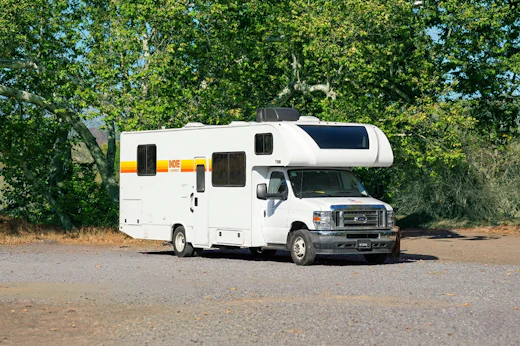
Large camper van, front and right side view, over-cab sleeping area, no roof tent visible.

Family Select

4.7(500+)
7 Seats
Sleeps 7
Shower
Toilet
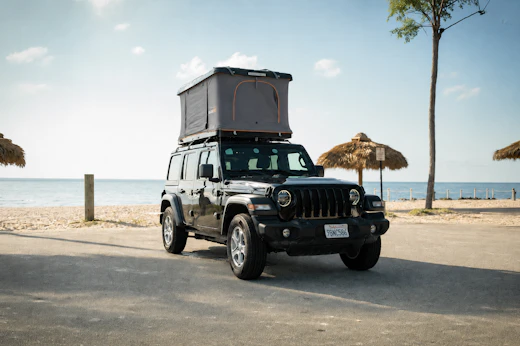
Front view of a medium-sized black van with a roof tent opened.

Adventure Standard

4.7(500+)
5 Seats
Sleeps 2
Shower
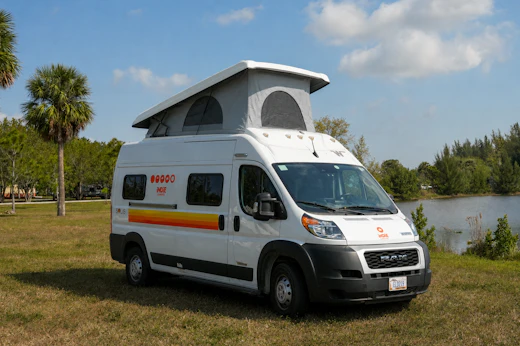
Medium van, front and side view, roof tent extended, side door and windows visible.

Active Plus

4.7(500+)
4 Seats
Sleeps 4
Shower
Toilet
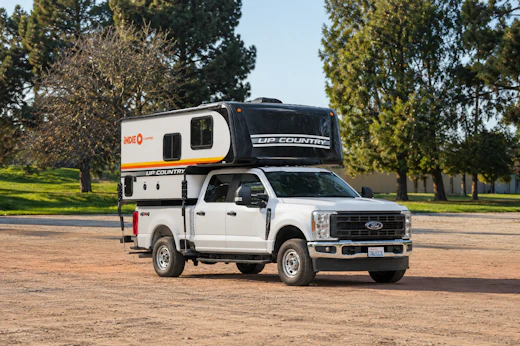
Front-side view of a white pickup camper with a large over-cab sleeping area and compact interior layout.

Adventure Plus Select

4.6(500+)
4 Seats
Sleeps 2
Shower
Toilet
Front-side view of a large white camper van with over-cab sleeping area, no roof tent.

Comfort

4.7(500+)
6 Seats
Sleeps 6
Shower
Toilet
Large motorhome, front-side view, with over-cab bed section, flat roof, white exterior, no roof tent visible.

Comfort Select

4.7(500+)
6 Seats
Sleeps 6
Shower
Toilet
Side view of large pickup camper van with over-cab sleeping area, no roof tent.

Adventure Plus Select

4.7(62)
5 Seats
Sleeps 4
Shower

Our Pick-up Centre

Indie Campers Anchorage

5000 Cordova St, Anchorage, AK 99503, United States

Get Inspired

Our Road Trips Itineraries

San Francisco to Seattle road trip road trip

San Francisco to Seattle road trip

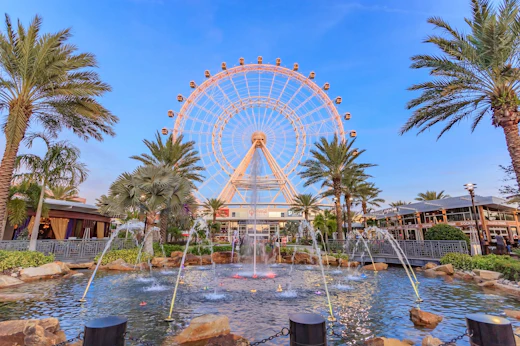
Orlando to Key West road trip road trip

Orlando to Key West road trip

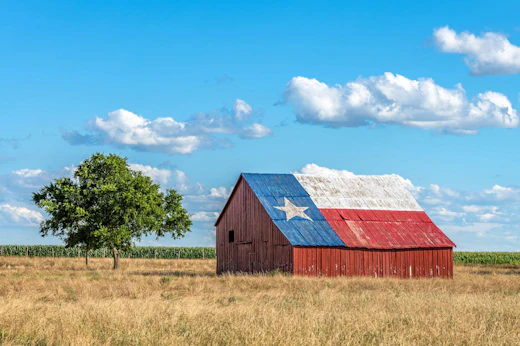
Texas Road Trip road trip

Texas Road Trip

Grand Canyon road trip road trip

Grand Canyon road trip

See more

Reviews in Anchorage

Ezequiel P.

“Host was amazing , thabks 4 everithing”

Charles G.

“Abe is the man, the trip was great and we loved the camper. Issues with the chat support when we tried to let them know we would be extending our rental, we got a hello and no follow up when the question was asked.”

John E.

“Alaska is amazing and Indie Campers are a great way to see it!”

See all reviews in Anchorage

Destinations near Anchorage

RV Rental in

Seattle

See more

RV Rental in

Portland

See more

RV Rental in

Bozeman

See more

RV Rental in

San Francisco

See more

RV Rental in

Salt Lake City

See more

RV Rental in

Las Vegas

See more

RV Rental in

Los Angeles

See more

RV Rental in

Denver

See more

RV Rentals in Europe

IcelandBarcelonaScotlandEdinburghUKItalyIrelandGermanyFranceNorway

RV Rentals in North America

USASan FranciscoLos AngelesLas VegasSalt Lake CityAnchorageSeattleCanadaDenver

RV Rentals in Oceania

AustraliaNew ZealandSydneyAucklandMelbourneChristchurchQueenstownPerthCairns
  1. Home
  2. USA
  3. Anchorage