Hobart to Bay of Fires via Cradle Mountain & Wineglass Bay

Mount Field is Tasmania’s oldest national park and is famous for its lush temperate rainforest and impressive waterfalls. It’s one of the easiest places to experience Tasmania’s natural diversity, from giant tree ferns at the base to alpine moorlands at the top. Fun fact: Russell Falls featured on Australia’s first-ever stamp.
Tasmania’s West Coast is remote, wild, and steeped in mining history. Strahan is a historic fishing village and the gateway to the ancient Huon pine forests of the Gordon River. Queenstown’s Martian-like hills are the result of over a century of copper mining and deforestation, creating a surreal landscape.

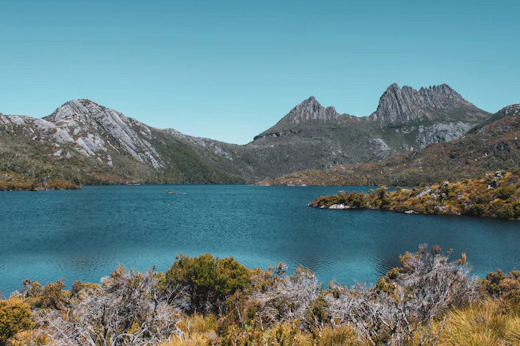
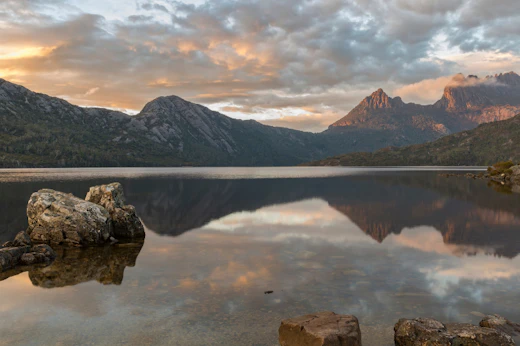
Part of the Tasmanian Wilderness World Heritage Area, Cradle Mountain is one of the island’s most photographed landscapes. Known for its jagged peak, alpine lakes, and frequent wombat sightings, it’s a must-visit for nature lovers.
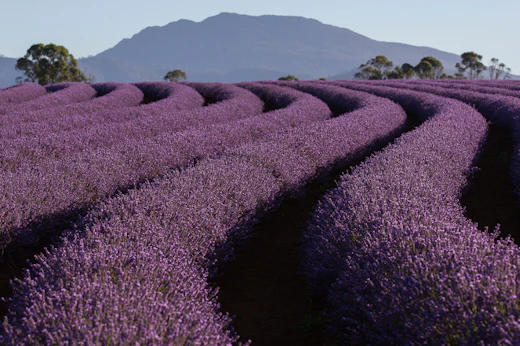
This stretch of the itinerary brings fragrance and flavour. Bridestowe is one of the largest privately-owned lavender farms in the world, while Barnbougle offers rugged coastal beauty, sand dunes, and world-renowned golf courses.
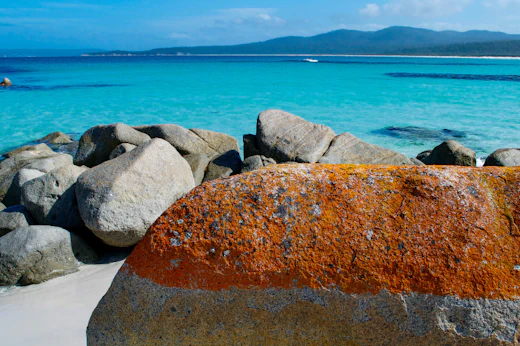
Bay of Fires is a paradise of white beaches, turquoise waters, and fiery orange granite boulders. It’s one of Tasmania’s top free camping zones.
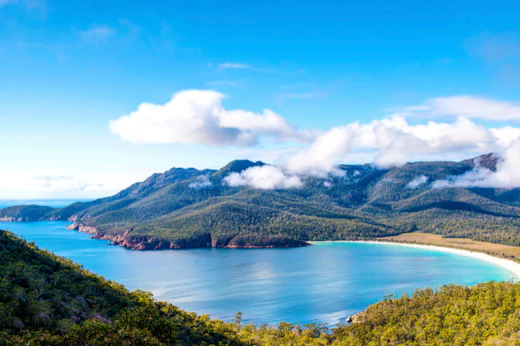
Freycinet is known for its pink granite mountains, secluded beaches, and the postcard-perfect Wineglass Bay.
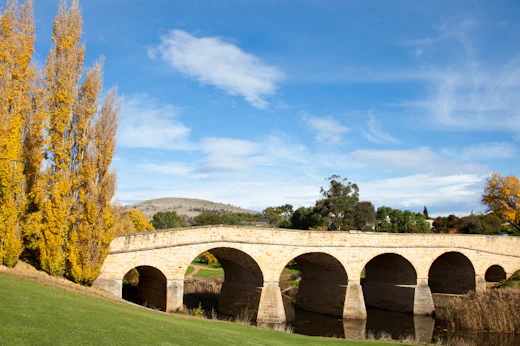
Richmond is a quaint colonial-era town with heritage architecture, Tasmania’s oldest bridge, and a boutique wine region.