

Iceland is one of the best countries in the world to explore by campervan. The landscapes are dramatic and constantly changing, and the distances between highlights are manageable enough that every day feels full without being exhausting. One morning you can be walking behind a waterfall, and by afternoon you can be driving past black sand beaches, lava fields, and glacier views.
Most travelers come to Iceland to drive the Ring Road, the famous Route 1 loop that circles the island, but a campervan also makes it easy to add places beyond the main route, like Snæfellsnes or quieter coastal towns. This page covers the best campervan routes in Iceland, must-see stops, seasonal planning, campsites, dump stations, and practical tips to help you plan a smooth road trip.

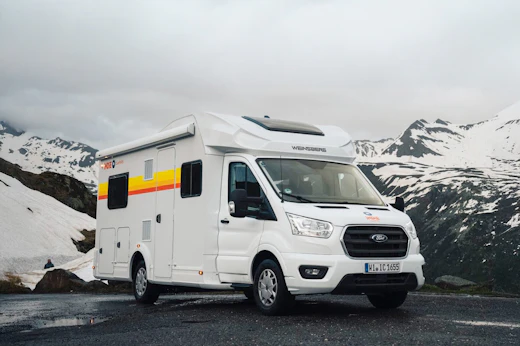
Key stops: South Coast waterfalls, Vík, Jökulsárlón Glacier Lagoon, Eastfjords, Lake Mývatn, Akureyri
Approx drive time: 7 to 14 days depending on pace and detours
Best time to go: summer for easiest access, spring and fall for fewer crowds
Campervan notes: the road is generally well maintained, but wind and weather can change quickly, especially on open coastal stretches
Key stops: Þingvellir National Park, Geysir geothermal area, Gullfoss
Approx drive time: 3 to 5 hours plus stops
Best time to go: early morning for quieter viewpoints
Campervan notes: one of the easiest routes for a first driving day in Iceland
Key stops: Seljalandsfoss, Skógafoss, Reynisfjara black sand beach, Skaftafell
Approx drive time: 2 to 4 days depending on how far east you go
Best time to go: dawn or late afternoon for lighter crowds
Campervan notes: the most popular region, so parking and campsites fill early in peak season
Key stops: coastal cliffs, fishing villages, dramatic viewpoints, beaches
Approx drive time: 1 to 2 days
Best time to go: spring through early fall
Campervan notes: a strong option if you want variety without committing to the full Ring Road
Key stops: highland landscapes and remote interior routes
Approx drive time: depends on route and conditions
Best time to go: typically summer months only
Campervan notes: F-roads are not for standard vehicles and conditions vary, so planning and the right vehicle matter

Spring (April to May): Spring is a good balance for travelers who want fewer crowds and improving road conditions. You may still get winter-like weather some days, but it is a great season for flexible itineraries and quieter campsites.
Summer (June to August): Summer is the easiest time to travel across Iceland, with long daylight hours and the best overall access for a full Ring Road loop. It is also the busiest season, so popular campsites and high-demand areas fill earlier.
Fall (September to October): Fall is one of the best seasons for a campervan trip if you want fewer crowds and comfortable driving days. Weather becomes more unpredictable later in October, so it helps to keep the plan adaptable.
Winter (November to March): Winter trips can be unforgettable, but they are better for shorter routes rather than a full Ring Road loop unless you are experienced with winter driving. Wind, snow, and road closures can change plans quickly, so flexibility matters.
Campsites around Iceland (key regions)
Iceland has campsites all around the country, which makes campervan travel straightforward as long as you plan realistic driving days. Most travelers choose campsites based on the region they want to explore next, rather than aiming for a specific campground every night.
Popular overnight zones include:
Lake Mývatn and Akureyri areas for north Iceland exploration
Important planning note: wild camping is restricted in Iceland, and travelers are expected to stay in designated campsites rather than parking overnight anywhere.
Campsites outside the Ring Road (backup options)
If you add Snæfellsnes or other detours, you will find campsites along those routes too. The main difference is that services can be more spread out, so it helps to plan fuel and grocery stops earlier in the day.
Dump stations (must be included)
Dump station planning is essential for longer campervan trips, especially if you are traveling for a week or more. Many campsites provide waste disposal facilities, and larger towns often have services nearby.
A practical approach is to plan a dump stop every few days depending on your tank capacity and how often you use the campervan water system.
Yes. Indie Campers offers campervan rentals in Iceland with pick up in Reykjavik, making it easy to start your trip right away.
Yes. The Ring Road is one of the best campervan routes in the world because it connects Iceland’s most iconic landscapes into a single loop with plenty of campsites along the way.
A 7-day trip is possible, but 10 to 14 days is ideal if you want a more relaxed pace and time for detours.
Not for the Ring Road. Route 1 is paved and accessible for standard campervans. A 4x4 is mainly needed if you want to drive F-roads into the highlands, which are seasonal and require the right vehicle.
Wild camping is restricted in Iceland. Most travelers stay in designated campsites, which are widely available around the country.
You can stay at campsites across Iceland, including popular areas along the South Coast, the east, and north Iceland regions.
Driving is generally straightforward, but wind and weather can change quickly. Planning realistic driving days and checking conditions helps a lot.
Summer is the easiest for a full Ring Road loop, while spring and fall offer fewer crowds. Winter is best for shorter routes unless you are confident driving in snow and wind.
Pricing depends on the season, vehicle type, and availability. The best way to get accurate pricing is to check live dates and availability for your travel period.
Pack layers, waterproof outerwear, warm clothing, and sturdy shoes. Even in summer, weather can change quickly, especially in coastal and highland areas.
