Hire a campervan or motorhome from Indie Campers in Auckland, Christchurch or Queenstown. It’s the easy way to see Aotearoa at your own pace. A long weekend in the Coromandel, a week under the Southern Alps or three weeks from Cape Reinga to Fiordland: a campervan gets you to the trailhead, the beach and the lakefront without booking a single motel.
Choose from our campervans and motorhomes, with one-way hire between all three depots, unlimited kilometres, 24/7 support and extras like bedding and kitchen kits. Weather not playing ball? Cancel for free up to 31 days before pick-up. Backed by 4.7 stars from more than 73,000 travellers.

Our Road Trips Itineraries
Got a long weekend or a few weeks? Here’s where to head from each depot.
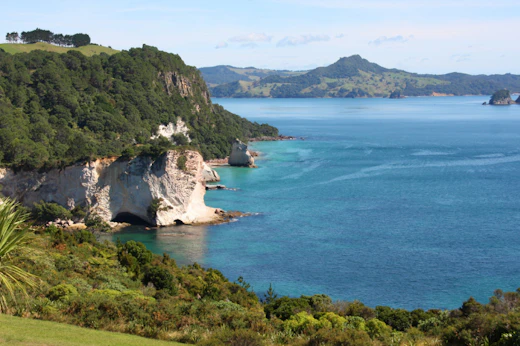
Campervan hire Auckland: For a weekend, head to the Coromandel for Cathedral Cove and Hot Water Beach, west to Piha, or south to Raglan. With a long weekend, go north to the Bay of Islands. With more time, follow our North Island Highlights road trip to Wellington via Rotorua and Tongariro.
Campervan hire Christchurch: Akaroa and Banks Peninsula, Hanmer Springs and Kaikōura are all easy weekends. For a longer trip, head over Arthur’s Pass to the West Coast, or inland to Lake Tekapo and Aoraki/Mount Cook on our South Island road trip.
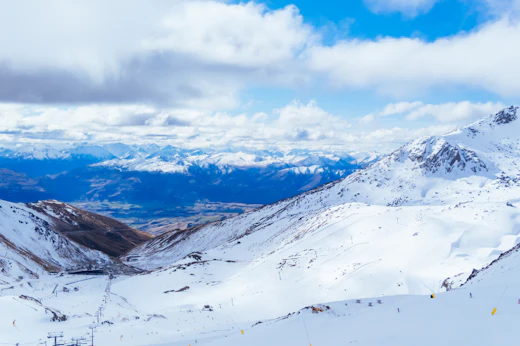
Campervan hire Queenstown: Spend a weekend in Wānaka, Glenorchy or Central Otago. With a few more days, drive to Te Anau and Milford Sound. In winter, our Ski the South Island road trip links Coronet Peak, The Remarkables and Mt Hutt.
Wellington: We don’t have a depot in Wellington, but it’s on the way. Pick up in Auckland and drive south, or pick up in Christchurch and head north to Picton, then cross Cook Strait either way.
Both islands: With two to three weeks, pick up in Auckland, cross Cook Strait on the ferry and drop off in Queenstown, with no backtracking.
Heading across the ditch? We also have campervan hire in Australia, with depots from Sydney to Perth.
Wake up at the trailhead. Fiordland has one small town at its edge, and Aoraki/Mount Cook has a single village and a DOC campground. Camp nearby and you’ll be on the track before the day-trip buses arrive, and still there for the evening light.
One way, both islands. Pick up in Auckland, drive south, cross from Wellington to Picton on the Interislander or Bluebridge, and drop off in Queenstown. No backtracking, no return leg.
Cheap, great places to stay. DOC campgrounds cost about $15 to $22 a person per night, and certified self-contained vans can freedom camp on much public land. A week in DOC sites costs a fraction of a Queenstown motel in peak season, with better views.
Why Indie Campers. Three depots that match how New Zealand is travelled, with one-way hire between all of them. Basic protection is included, with upgrades at booking. Cancel for free up to 31 days before pick-up, or book now and pay later. See this month’s campervan hire deals, or read how Indie Campers hire works.
December, January and February are our busiest months, so book early for the summer holidays and long weekends.
School holidays and long weekends. Vans go fast over the summer holidays (mid-December to late January), the April, July and September–October school holidays, and long weekends like Waitangi Day, Easter, Anzac Day, King's Birthday, Matariki and Labour Weekend. Regional anniversary days fill up locally too. Book DOC campgrounds and ferry crossings as early as you can for these dates.
Summer (December to February) brings 20–28°C in most lowland areas and the longest days. It's the most reliable time for alpine tramping, and the Tongariro Alpine Crossing is usually snow-free. DOC campgrounds at Milford, Aoraki/Mount Cook and Lake Tekapo book out weeks ahead over Christmas and New Year.
Autumn (March to May) brings 12–22°C and thinning crowds after mid-March. It's the best season for South Island photography, with autumn colour around Lake Tekapo, Wānaka and Queenstown from April. Snow becomes possible on high passes by May.
Winter (June to August) brings 5–15°C in lowland areas and ski season from late June to September at Coronet Peak, The Remarkables, Mt Hutt and the Central Plateau. Check NZTA Waka Kotahi road status or call 0800 4 HIGHWAYS before driving to Milford between June and October.
Spring (September to November) brings 10–20°C and the quietest roads. The Alpine Crossing reopens reliably from October, and by November it feels like summer without the crowds.
A long weekend (3 to 4 days). Pick one area close to your depot: the Coromandel from Auckland, Akaroa or Hanmer Springs from Christchurch, or Wānaka and Glenorchy from Queenstown.
One island (7 to 10 days). Enough to do one island properly. The South Island packs fiords, glaciers and alpine lakes into a compact loop, and Christchurch to Queenstown is the most popular one-way.
Both islands (14 to 21 days). Pick up in Auckland, spend 5 to 7 days heading south, cross Cook Strait (about half a day), then take 7 to 10 days down to Queenstown via Kaikōura, Christchurch, the Mackenzie Basin, the West Coast and Fiordland.
To freedom camp on council land, your vehicle must be certified self-contained with a green warrant, which needs a fixed toilet. Rental vehicles have needed a green warrant since 7 December 2024. (MBIE, NZ tourism trade update)
Which Indie vans qualify. Models with a fixed toilet and a current green warrant card on the windscreen can freedom camp where it's allowed.
Where freedom camping is allowed. On council land where it isn't prohibited, and on DOC land outside restricted areas. Check signs on arrival, as local bylaws vary. In Queenstown Lakes, freedom camping is banned in urban areas and limited to 15 designated carparks for certified vehicles (QLDC).
Where it isn't. Inside national park boundaries (use DOC campgrounds), anywhere signposted no camping, private land without permission, and many spots close to water. Councils can fine $400 for staying overnight without a valid warrant.
Holiday parks and DOC campgrounds. Holiday parks have powered sites, hot showers and camp kitchens, and suit any van. DOC campgrounds cost about $15–22 a person per night and put you right in the national parks.
Apps. CamperMate, Rankers Camping NZ and the DOC camping app map legal stops on both islands and work offline. Read our guide to the best camping apps for New Zealand.
Licence and age. You need to be 21 or over with a full licence. A learner or restricted licence isn't accepted.
Speed limits. Open roads are usually 100 km/h, with 110 km/h on some expressways. Towns are 50 km/h, with lower limits around schools at the start and end of the school day. On gravel, drive to the conditions, and check with the depot before taking a van on unsealed roads, as damage there may not be covered.
Speed cameras. Fixed and mobile cameras operate on open roads, in school zones and on urban arterials. Fines go up with how far over the limit you are.
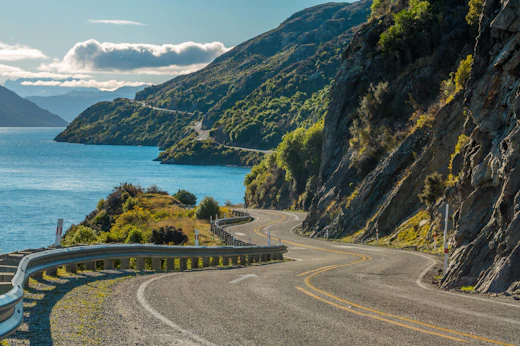
Alpine roads. Check NZTA Waka Kotahi road status or call 0800 4 HIGHWAYS before driving Milford Road, Haast Pass or Arthur's Pass between June and October.
Driving a bigger vehicle. A campervan is taller, longer and slower than your car. Use slow-vehicle bays and pull over to let traffic pass on winding roads.
New Zealand's Freedom Camping Act 2011 establishes where self-contained vehicles can camp on public land. A self-contained vehicle must have a fixed toilet, a freshwater supply for at least three days, and a grey water holding tank. Indie Campers vehicles that meet this standard carry a valid self-contained warrant.
Where freedom camping is legal: On DOC land outside restricted areas and on local authority land where councils permit it. The DOC camping finder at doc.govt.nz maps all designated and freedom camping areas across the country.
Where it is not legal: Inside national park boundaries, areas with explicit no-camping signage, private land, and many areas within 200 metres of water.
For finding legal overnight stops, Campermate, Rankers Camping NZ, and the DOC Camping App cover both islands with user-reviewed locations that work offline. Freedom camping outside designated areas without self-contained certification carries on-the-spot fines.
Campermate: Best for freedom camping locations, holiday parks, and current user reviews of specific sites. Works offline.
Rankers Camping NZ: Comprehensive user-reviewed database of campgrounds and freedom camping areas across both islands.
DOC Camping App: Covers all Department of Conservation campgrounds and designated freedom camping areas. Essential for national park regions.
Freedom camping outside designated areas without self-contained certification carries on-the-spot fines from local enforcement officers. Check signage on arrival at any new location.
All figures in New Zealand dollars. Exchange rates vary; verify before travel.
For a 7 to 10-day South Island circuit, expect to spend $200-400 NZD on fuel, $105-220 NZD on DOC campgrounds, $80-120 NZD per adult for a Milford Sound cruise, and $200-400 NZD on food if self-catering. All-in travel costs excluding the hire run approximately $700-1,200 NZD at the budget end, $1,500-2,500 NZD at mid-range, and $3,500+ NZD for a premium trip with helicopter additions and guided experiences. New Zealand national parks charge no entry fee.
For a 14 to 21-day two-island itinerary, add $400-800 NZD for fuel, $200-400 NZD for the Interislander ferry crossing from Wellington to Picton, and $210-460 NZD for DOC campgrounds. Total travel costs excluding the hire sit at approximately $1,700-2,500 NZD budget, $3,000-4,500 NZD mid-range, and $6,000+ NZD premium.
How much you’ll pay depends on the van, the season and how long you hire for. As a guide, here are our nightly rental prices:
Winter is May to September, spring and autumn are March, April, October and November, and summer is December to February. Prices are for the vehicle only. Your protection plan, a one-off preparation fee and any extras are added at checkout. Compare all our campervans and motorhomes, and check our deals for current long-trip discounts.
In general, a special licence is not required to rent our campervans in New Zealand. However, a valid driving licence is required to operate our vehicles. For some non-EU citizens, a IDP is required, in addition to their home country's drivers licence. Other considerations such as a valid vehicle licence to the vehicle type (manual or automatic) will also be required. For more information regarding our licence requirements read this.
Yes, our campervans are pet-friendly. Just make sure to purchase the extra cleaning service during your booking. This service includes professional anti-allergic cleaning after your trip. Please note that only one pet is allowed per motorhome, and it must weigh no more than 30kg. Keep in mind, we are not responsible for any legal fees related to travelling with your pet. For marketplace bookings, check the "vehicle rules" section for the pet-friendly icon to confirm if pets are allowed in that specific vehicle.
The number of people who can sleep in our campervans will depend on the size of the vehicle and the model. In general, our class C motorhome models can sleep up to 4-8 people, whereas our class B motorhomes can sleep up to 2-4. For cars with a rooftop tent, around 2 people can sleep in this vehicles. More details on our models and sleeping capacities can be found here.
If you are travelling in a campervan, motorhome or caravan around New Zealand, it is important to understand official camping rules of the country you are visiting. As natural areas are generally protected by laws, using an official campsite or designated overnight parking area is highly recommended. This helps protect local communities and ensures you can all enjoy safely. Read more safety tips and protocols here.
We offer three protection plans to cover incidents and damages during your hire period. All Indie Campers motorhomes come with insurance for third-party vehicles and property damage (valid insurance will depend on the country). For marketplace vehicles, insurance options may vary based on the host.
Learn more about our protection plans here.
Yes, our search filter allows you to find a campervan near your location using a 60km radius system. This means depending on the location you are searching from, you will be able to find an Indie campervan hire pick-up centre near you.
Yes, a selected number of Indie Campers campervan hire in New Zealand include unlimited kilometres, allowing you to explore freely and make the most of your road trip! Please note that unlimited kilometres applies exclusively to Indie Campers campervans and is subject to responsible use.

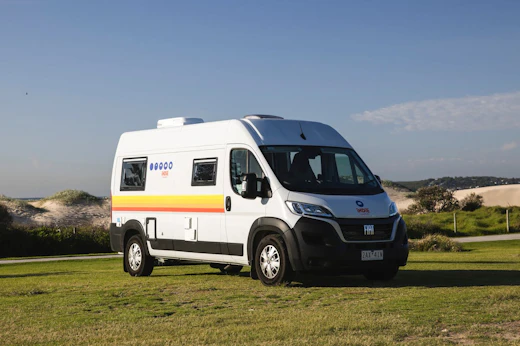
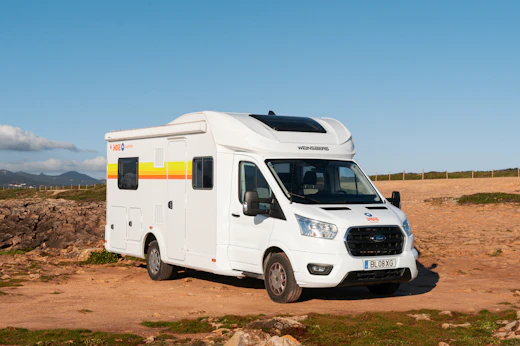
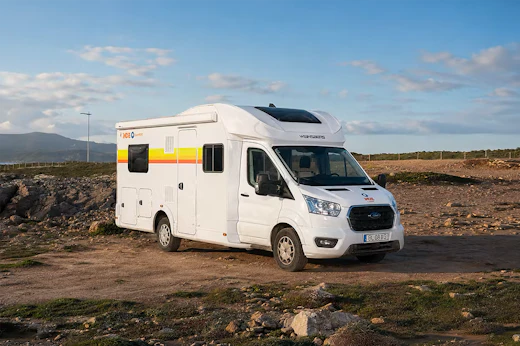
RVs, Motorhomes & Campervans for Every Kind of Traveller


Our Road Trips Itineraries
“It was amazing, thanks to the Team for Waiting for is on our arrival day because we had some delays with our flights. Staff was really helpful and caring.”
“We had a great time in our Indie Camper, it was easy to drive, spacious and everything worked as advertised. Would highly recommend. ”
“Kate and blue were superb at indie campers Christchurch, got us on the road quickly and unloaded and checked out on our return, awesome service ”