
Yellowstone National Park is one of the most unforgettable places to visit in the United States. It is known for iconic geysers like Old Faithful, colourful hot springs, wide-open valleys filled with wildlife, and scenic drives that connect dramatically different landscapes in a single day.
Renting a campervan for Yellowstone makes planning easier, especially during high season when hotels and campsites book up quickly. With Indie Campers, you can travel at your own pace and stay closer to the areas you want to explore most. This guide covers the best campervan routes, top things to do, where to camp, campervan size considerations, locations of waste disposal points, and practical tips to help you plan a smooth trip.

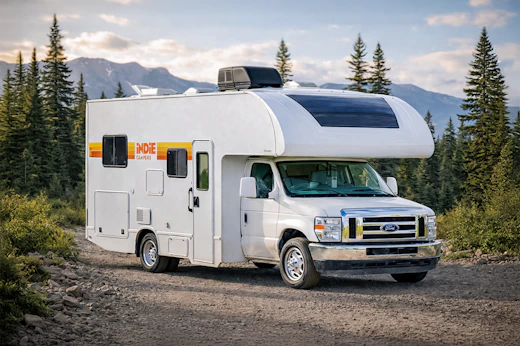
Yellowstone is best explored by planning your days around particular areas. These routes help you avoid backtracking and make it easier to match your driving time with the sights you want to prioritise.
Grand Loop Road (Lower Loop Geothermal Highlights)
Key stops: Old Faithful, Grand Prismatic Spring, Fountain Paint Pot, Norris Geyser Basin
Approx driving time: half a day to a full day depending on stops
Best time to go: early morning for easier parking and fewer crowds
Good to know: this is the park's most popular area, so arriving early makes a big difference
Canyon Area Scenic Loop
Key stops: Artist Point, Upper Falls Viewpoint, Brink of the Lower Falls
Approx driving time: 2 to 4 hours
Best time to go: morning for easier access to viewpoints
Good to know: great for shorter walks with spectacular scenery
Yellowstone Lake and West Thumb Loop
Key stops: West Thumb Geyser Basin, Yellowstone Lake viewpoints, Fishing Bridge area
Approx driving time: 3 to 5 hours with stops
Best time to go: late afternoon for calmer roads and softer light
Good to know: this route is ideal for a slower-paced day
Lamar Valley Wildlife Route (Northeast Side)
Key stops: Lamar Valley pullouts, Soda Butte, Northeast Entrance area
Approx driving time: half a day to a full day depending on wildlife sightings
Best time to go: sunrise or sunset for the best wildlife activity
Good to know: this is the best area in the park for wildlife viewing
Visitor centres and ranger programmes are worth checking out if you want context on geyser timing, how to stay safe around wildlife, and current road conditions.

Yellowstone is open all year, but your experience can change a lot depending on the season. Weather, road access, crowd levels, and campsite availability all vary throughout the year, so choosing the right time to visit can make your Campervan trip smoother and more enjoyable.
Spring (April to May)
Typical weather: around −1 to 16°C (can change quickly)
Pros: Fewer crowds, strong wildlife viewing, greener landscapes, great light for photography
Cons: Some roads and facilities may still be closed, weather can be unpredictable with late snow
Best for: Wildlife spotting, quieter trips, travellers who want a calmer Yellowstone experience
Summer (June to August)
Typical weather: around 21 to 29°C during the day, 4 to 10°C at night
Pros: Most roads and services are open, best conditions for full park access, long daylight hours
Cons: Peak crowds, heavy traffic around major sights, campsites and Campervan parks book up quickly, afternoon storms are common
Best for: First-time visitors, families, full sightseeing itineraries, travellers who want maximum access
Fall (September to October)
Typical weather: around 4 to 21°C, with cold mornings and occasional snow later in the season
Pros: Smaller crowds, crisp air, excellent wildlife activity, beautiful scenery and strong sunrise and sunset conditions
Cons: Some facilities close as the season ends, weather becomes less predictable, shorter daylight hours
Best for: Photography, hiking, wildlife viewing, travellers who want peak Yellowstone without peak crowds
Winter (November to March)
Typical weather: around −18 to 4°C; temperatures often fall well below freezing
Pros: Snow-covered landscapes, very quiet atmosphere, unique winter wildlife viewing
Cons: Most roads are closed to regular vehicles, Campervan travel is not practical for most visitors, limited services and access
Best for: Travellers who are not using a Campervan and want a winter-only Yellowstone experience via guided access options
Campgrounds inside Yellowstone National Park (key list)
Yellowstone has several campsites across different regions of the park. In high season, many pitches book up quickly, so it’s best to plan your route first and then choose the campsite that fits your itinerary. Most campsites do not offer hook-ups, so if you want full services it’s important to plan ahead.
Campervan parks and campsites outside the park (backup options)
If in-park campsites are full, staying outside Yellowstone can be a practical alternative. It also helps travellers who prefer more services, easier access to groceries, and more consistent amenities.
Gateway towns to consider include West Yellowstone and Gardiner, depending on which entrance you plan to use most.
Dump stations (specific locations)
Dump stations are essential for Campervan travel in Yellowstone, especially if you are camping without hook-ups. Planning these stops ahead of time will save you hours during busy summer weeks.
Inside Yellowstone National Park
Outside Yellowstone National Park
Late spring and early autumn are ideal for fewer crowds and cooler temperatures. Summer is the most popular season but needs more advance planning.
Summer dates are in high demand, so it's best to book early, especially if you want specific vehicle types or travel dates.
Campsites can fill up quickly in high season. Your safest bet is to book as soon as reservations open.
Hook-ups are limited. Fishing Bridge Campervan Park is the best-known on-site option with full hook-ups.
Many travellers prefer a Campervan under 9.1 m for easier parking, more campsite options, and smoother navigation during peak season.
Waste disposal points are available at Canyon, Grant Village and Fishing Bridge during the peak season. Outside the park, West Yellowstone and Gardiner also offer facilities.
Overnight stays are limited to designated campsites. Overnight parking in lay-bys or car parks isn't allowed.
The Lower Loop is best for geysers and hot springs, while Lamar Valley is the best spot for wildlife. The Canyon area and the Yellowstone Lake routes are also excellent.
Old Faithful, Grand Prismatic Spring, Norris Geyser Basin, the Grand Canyon of the Yellowstone and Lamar Valley are must-see sights.

Explore with Indie Campers
