Indie Campers LogoIndie Campers Logo
North America
AnchorageCalgaryChicagoDenverLas VegasLos AngelesMiamiNew YorkPhoenixSalt Lake CitySan DiegoSan FranciscoSeattleTorontoVancouver
Europe
CroatiaFinlandFranceGermanyGreeceIcelandIrelandItalyNetherlandsNorwayPortugalPolandSpainSwedenSwitzerlandUnited Kingdom
Oceania
AucklandBrisbaneCairnsChristchurchDarwinMelbournePerthQueenstownSydneyHobart
Popular Destinations
AlaskaAthensBarcelonaBergenBolognaCanadaDublinEdinburghFaroLisbonMilanNiceOsloReykjavikScotlandVeniceZurich
Campervan driving towards the sunset
See all Locations →
ModelsBuy a CampervanBecome a Host
RoadtripsBlog
Help
Deals
Deals

Explore Paris With Us!

Set off from a campervan hire in Paris and discover the châteaux, vineyards, and countryside of France beyond the capital. Drive south through the Loire Valley's historic castles, head west to Normandy's beaches and Mont-Saint-Michel, or venture east toward Champagne and the Alsace wine route. Choose from Indie Campers' California, Active, or Comfort range, all with unlimited kilometres, flexible one-way options, 24/7 online support, and extras like kitchen kits, outdoor furniture, or bedding sets. Backed by a Europe-wide fleet and 4.8-star-rated service, Indie Campers makes exploring France from Paris simple, comfortable, and unforgettable.

Campervan Road Trips from Paris

Paris sits at 48.8567°N, 2.3522°E in the Île-de-France basin, on the banks of the Seine at the geographic centre of northern France. Population: 2,047,602 in the city proper (INSEE, January 2026 census), approximately 13.2 million across the metropolitan area. Capital of France, seat of the national government, and the country's primary international aviation gateway: Charles de Gaulle Airport (CDG, GPS: 49.0097°N, 2.5478°E, 23 km northeast of the city centre) handled 70.29 million passengers in 2024, making it the third busiest airport in Europe. Direct routes connecting the main campervan hire markets: British Airways, Air France, and easyJet from London Heathrow, Gatwick, Stansted, and Bristol; KLM codeshares from Amsterdam Schiphol; Lufthansa and Air France from Frankfurt, Munich, and Düsseldorf; all major North American carriers operating transatlantic routes to CDG. Orly Airport (ORY, GPS: 48.7233°N, 2.3794°E, 13 km south) handles primarily domestic and North African routes; North American arrivals should route through CDG.
For a campervan traveller, Paris is not a driving destination. It is a departure hub. The city's 20 arrondissements, UNESCO-inscribed Seine riverbanks, and 2,000 years of monuments are best covered on foot, by Metro, and by RER. A campervan driven into central Paris will encounter streets designed for medieval foot traffic, height barriers of 2.0-2.2 metres on underpasses and parking structures, traffic averaging 12 km/h in rush hour, and no legal overnight parking provision within the périphérique perimeter. The correct strategy: base the vehicle at a campsite with public transport access, take the RER or Metro into the city, and walk between monuments that are rarely more than 4 km apart.
The geographic logic of Paris as a pickup point is the circuit radius. Five distinct road trip axes radiate from the city, each self-contained and each covering a different landscape register. Versailles is 23 km west (30-45 minutes); Giverny and Monet's garden are 80 km northwest via the A13 (1h10); Chartres Cathedral is 90 km southwest via the A11 (1h10-1h25). For multi-day circuits: Normandy's chalk cliffs and D-Day coast are 190-260 km northwest (2h-3h15 via A13); the Loire Valley châteaux begin at Chambord, 190 km south on the A10 (2h); the Champagne houses of Épernay and Reims are 130-145 km east via the A4, which runs toll-free all the way to Reims. North of Paris, the A1 reaches Brussels in 308 km (2h50-3h15) and Amsterdam in 510 km (4h30-5h). No other French city places that range and variety within a single tank of fuel.
Campervan Road Trips from Paris

What to do in Paris

Top Circuits and Day Trips from Paris
Best Campgrounds in Paris and the Key Circuits
Local Tips for Paris

Paris supports five self-contained circuits in different directions. Each covers terrain that is inaccessible by public transport and requires at minimum two days to do properly.

Île-de-France Day Trips: Versailles, Fontainebleau, Giverny, Chartres

Château de Versailles (GPS: 48.8049°N, 2.1204°E; Place d'Armes, 78000 Versailles; 23 km from Paris, 30-45 minutes via D10/A13; RER C from Paris Invalides or Saint-Michel Notre-Dame to Versailles-Rive Gauche, 45 minutes, approximately €5 return; open Tuesday to Sunday 09:00-18:30 April to October, 09:00-17:30 November to March; closed Mondays): the royal palace of Louis XIV, who relocated the French court here from Paris in 1682 and maintained 20,000 people -- courtiers, servants, tradespeople, and guards -- on the estate at its peak. The palace contains 700 rooms; the Galerie des Glaces (Hall of Mirrors) is 73 metres long with 357 mirrors facing 17 arched windows opening onto the Grand Canal. Admission: €21 for the château; approximately €27 for the Passport ticket including the Trianon domain and the musical fountains day. The Trianon estate (the Grand and Petit Trianon palaces, approximately 1 km from the main palace through the formal gardens) is worth the additional ticket: the Petit Trianon was Marie-Antoinette's private retreat, and the Hameau de la Reine -- a working model farm with thatched cottages and live animals built for her entertainment, is the most surreal structure on the estate.

Fontainebleau (château GPS: 48.4026°N, 2.7014°E; Place du Général de Gaulle, 77300 Fontainebleau; 67 km from Paris, 55-75 minutes via A6; open daily except Monday, 09:30-17:00 winter, 09:30-18:00 summer; closed January 1 and December 25; admission €14.50 adult, free for EU residents under 26): the royal château used by every French monarch from François I to Napoléon III, covering 30,000 m² across six centuries of successive building campaigns. Unlike Versailles, Fontainebleau has no single dominant architectural moment -- the accumulation of different periods gives it a character that feels lived in rather than staged. Napoléon said farewell to his Imperial Guard in the Cour du Cheval Blanc (now called the Cour des Adieux) on April 20, 1814 before his exile to Elba. The Forêt de Fontainebleau surrounding the château is 28,000 hectares of oak, pine, and sandstone, with over 300 km of marked hiking trails and the most significant bouldering area in Europe: the Bleau circuits (approximately 4,000 sandstone problems across dozens of sectors) have been used for training by elite climbers since the 1960s. The forest is a UNESCO Global Geopark. Free to enter; the sandstone sectors are signposted throughout.

Giverny (Monet's House and Gardens) (GPS: 49.0759°N, 1.5334°E; 84 Rue Claude Monet, 27620 Giverny; 80 km from Paris, 1h10-1h30 via A13 to Vernon then D5 for 5 km; open April 1 to November 1 only, closed in winter; 10:00-18:00 daily, last admission 17:30; admission €13 adult, €7 children 7 and above, under 7 free; book online at claudemonetgiverny.fr): Claude Monet lived here from 1883 until his death in 1926 and designed the two-hectare property as a working visual reference for his painting rather than as a decorative garden in the conventional sense. The water garden -- the Japanese bridge, the weeping willows, the wisteria, and the water lilies -- was not adjacent to the house; Monet bought the neighbouring meadow, diverted a stream, and created the pond from scratch in 1893, then spent the next 30 years painting it. The Nymphéas series (250 paintings, the largest of which are in the Orangerie in Paris) is what he was looking at from the green bank across the water.

Best month: May for peak flowering (wisteria on the Japanese bridge in late April to early May, tulips, alliums, and irises simultaneously). The water lily pond is at its best from June to September. July and August are the most crowded months; arrive before 10:15 on a weekday or book online.

Chartres Cathedral (GPS: 48.4474°N, 1.4878°E; 16 Cloître Notre-Dame, 28000 Chartres; 90 km from Paris, 1h10-1h25 via A11; open daily; cathedral admission free; north tower climb €10, crypt tour approximately €7): the most complete medieval Gothic cathedral in France, built between 1194 and 1220 after the previous structure burned, retaining only its 11th-century Royal Portal (the three carved doorways on the west facade) and the Romanesque south tower. The cathedral has 176 stained glass windows covering 2,600 m², including 12th-century lancets in the west façade that pre-date the building around them by 50 years. The colour of the medieval Chartres blue -- a cobalt-tin formula lost after the 13th century -- is visibly different from every other medieval stained glass window in France. Guided English-language tours run daily at noon and 14:45 Monday to Saturday (voluntary donation; ask for the Malcolm Miller guided experience or similar qualified guide; it transforms the visit from pleasant to extraordinary).

Normandy: D-Day Coast, Chalk Cliffs, and Mont-Saint-Michel, 190-360 km

Étretat (GPS: 49.7076°N, 0.2038°E; 200 km from Paris, 2h15-2h45 via A13 toward Le Havre then D940 coast road): a small coastal town of approximately 1,400 permanent residents on the Alabaster Coast (Côte d'Albâtre), where a sequence of chalk cliffs shaped by wave erosion has produced three natural arches. The Falaise d'Aval and Porte d'Aval (southwest end of the beach): the primary arch, 40 metres high, with the 70-metre Aiguille needle rising from the sea offshore behind it. The path up from the southwest end of the beach (steep, 5-10 minutes) gives the canonical view: arch and needle simultaneously, with the larger Manneporte arch visible at the horizon another 15 minutes along the cliff path. The Falaise d'Amont (northeast end): a smaller arch with the Notre-Dame de la Garde chapel on the summit and a monument to the aviators Nungesser and Coli, who disappeared over the Atlantic in May 1927 attempting a non-stop Paris-to-New York flight ten days before Lindbergh succeeded in the opposite direction. The full loop from town takes approximately 2 hours. Parking for campervans at the town entrance (Route du Président René Coty direction or via D940); the town itself is small enough to walk from anywhere you park.

Honfleur (GPS: 49.4183°N, 0.2329°E; 190 km from Paris, 2h-2h20 via A13; 70 km from Étretat via the D940 coast road or Pont de Normandie bridge): the 17th-century slate-fronted houses stacked 6-7 storeys around the inner harbour (Vieux-Bassin) form the most photographed streetscape in Normandy. The harbour was the principal Norman export point for the timber trade and the origin of the first French colony in Canada (Samuel de Champlain departed from here in 1603). The Église Sainte-Catherine (GPS: approximately 49.4188°N, 0.2342°E; free; the largest wooden church in France, built by local shipwrights after the Hundred Years' War when stone masons had been exhausted by military construction) uses shipbuilding joinery throughout -- the roof of the main nave is an inverted hull. Honfleur is where Eugène Boudin taught Monet to paint outdoors; the Musée Eugène Boudin (GPS: approximately 49.4180°N, 0.2350°E; admission approximately €8 adult; closed Tuesday) covers the Honfleur school of landscape painting that preceded Impressionism.

Note on the Pont de Normandie: The cable-stayed bridge at Le Havre, 5 km downstream from Honfleur, spans the Seine estuary in one crossing. Toll: €5.90 for motorhomes. Without the bridge, reaching Étretat from Honfleur requires a 90 km inland detour via Rouen.

Mémorial de Caen (GPS: 49.1965°N, 0.3870°W; Esplanade Général Eisenhower, 14050 Caen; 220 km from Paris, approximately 2h-2h20 via A13; admission €20.80 adult, €18.50 children 10-18 and seniors; open daily, generally 09:00-19:00 in peak season; check memorial-caen.fr for seasonal hours): the best single introduction to D-Day before visiting the beaches. The permanent exhibition moves from the causes of the Second World War through the occupation of France, the planning of Operation Overlord, and the Liberation campaigns of summer 1944, in a building that uses documentary film, archive material, and spatial design rather than hardware displays. The Mémorial provides the strategic and human context that the individual beach sites assume you already have. Start here on the first day; the beaches on the second. The Aire CAMPING-CAR PARK de Caen (Rue des Roquemonts, GPS: approximately 49.1970°N, 0.3860°W; approximately €16/24 hours, Camping-Car Park network rates) is 100 metres from the museum entrance.

Bayeux (GPS: 49.2738°N, 0.7052°W; 30 km from Caen, approximately 30 minutes via N13; 260 km from Paris, 2h45-3h15 via A13 and N13): the best-preserved medieval town in Normandy, spared in the Liberation fighting because it was taken without direct combat on June 7, 1944 -- the first town in France liberated after the landings.

Critical 2026 alert for the Bayeux Tapestry: The Musée de la Tapisserie de Bayeux (13 bis Rue de Nesmond) is closed for full renovation until October 2027. The tapestry itself is on loan to the British Museum in London from September 2026 to July 2027. Visitors to Bayeux in 2026 cannot see the tapestry in situ. Alternative exhibitions covering the tapestry's history and imagery are running at the Baron Gérard Museum of Art and History and at the Memorial Museum of the Battle of Normandy in Bayeux throughout 2026. The town rewards a visit regardless: the Notre-Dame de Bayeux Cathedral (GPS: 49.2744°N, 0.7028°W; free admission; Romanesque nave, 11th century, with Gothic choir added 13th-15th century) is where the tapestry was commissioned and displayed for centuries, and the medieval streets within the old town are the finest example of preserved Norman urban fabric in the region.

Omaha Beach and the American Cemetery at Colleville-sur-Mer (cemetery GPS: 49.3486°N, 0.8547°W; Colleville-sur-Mer, 14710; admission free; open daily 09:00-17:00, April 15 to September 15 09:00-18:00; closed December 25 and January 1): the US Normandy American Cemetery holds 9,387 graves, all facing west toward America, on a bluff directly above Omaha Beach. The Visitor Center contains exhibits on Operation Overlord, individual soldier stories drawn from letters and photographs, and a detailed model of the Omaha Beach assault sector. The daily flag-lowering ceremony at 17:00 (16:00 in winter) draws a crowd each day. The Garden of the Missing lists 1,557 names of soldiers whose remains were never recovered. Ample free parking for all vehicle sizes.

Omaha Beach itself (GPS: 49.3720°N, 0.8628°W) is a 7-km open sand beach; the German defensive positions (Widerstandsnest strongpoints, some partially standing) are visible on the bluffs above the western end. The Overlord Museum (GPS: 49.3487°N, 0.8516°W; Route de Grandcamp, Colleville-sur-Mer) focuses on the material culture of the landings: vehicles, equipment, and personal objects.

Pointe du Hoc (GPS: 49.3971°N, 0.9879°W; 14710 Grandcamp-Maisy; admission free; Visitor Center 09:00-17:00 daily): the 30-metre chalk headland between Utah and Omaha sectors, which US 2nd Ranger Battalion scaled under German fire on June 6, 1944, to destroy artillery batteries that threatened both beaches. The shell craters from the pre-invasion naval and aerial bombardment remain exactly as they were left -- a landscape of overlapping 10-metre craters across the point, with the original German bunkers intact. One of the most physically legible of all the D-Day sites; the scale of the terrain (the cliff face, the craters, the casements) communicates what happened here without requiring interpretation.

Arromanches (GPS: 49.3388°N, 0.6219°W; British Gold Beach sector; 10 km from Bayeux): the prefabricated Mulberry B harbour (codenamed Port Winston), towed across the English Channel in sections and assembled offshore after D-Day, was designed to supply the Allied forces until the port of Cherbourg could be taken and cleared. The harbour was operational within 12 days of the landings; 2.5 million men, 500,000 vehicles, and 4 million tonnes of supplies came through it by September 1944. The concrete caissons (Phoenix units) are still in place offshore -- visible from the beach at any tide, monumental in scale. The Arromanches 360° circular cinema (Chemin du Calvaire; approximately €7 adult): a 19-minute circular film combining archive D-Day footage with contemporary footage of the same landscapes, projected on a wrap-around screen.

Utah Beach (GPS: 49.4077°N, 1.1701°W; Sainte-Marie-du-Mont; Utah Beach Museum GPS: 49.4094°N, 1.1687°W): the westernmost of the five Allied landing beaches, defended more lightly than Omaha. The US 4th Infantry Division landed here with fewer than 200 casualties against the expected thousands, partly because a navigation error brought them 2 km south of the intended sector -- where the defences happened to be weaker. The museum includes one of the last surviving Higgins landing craft (the flat-bottomed boats designed by Andrew Higgins that Eisenhower credited with winning the war). Motorhome aire at nearby Carentan (Camping-Car Park, approximately €16.05/24 hours).

Mont-Saint-Michel (GPS: 48.6361°N, 1.5115°W; 360 km from Paris, 3h45-4h15 via A11 and A84; admission to the Abbey): the tidal island with a Benedictine abbey on its peak, connected to the mainland by a causeway since 1879. The tidal range here (up to 14 metres, among the highest in Europe) meant the island was periodically completely cut off in the medieval period -- which was partly why it was considered impregnable and was used as a prison. The village on the rock is extremely congested in July and August; the free car park is on the mainland, with a shuttle bus across the causeway.

Camembert village (GPS: 48.8876°N, 0.1547°E; Orne, approximately 180 km from Paris, 2h via A28): the village where Marie Harel is credited with inventing the unmoulded soft cheese in the 1790s. The Ferme du Président (a working farm in the village) demonstrates the traditional unmoulded hand-ladling technique that the PDO Camembert de Normandie designation requires. The broader Pays d'Auge circuit, Camembert, the Cidre Route through Livarot and Pont-l'Évêque, and the Calvados distilleries (Château du Breuil near Lisieux), makes a full inland Normandy day from a Bayeux or Caen campsite.

Loire Valley: Châteaux, Cave Cellars, and the River, 190-230 km

The Loire Valley UNESCO World Heritage Site covers a 280-km stretch of the Loire River from Chalonnes-sur-Loire to Sully-sur-Loire, designated in 2000 for its exceptional cultural landscape and the concentration of Renaissance architecture that reflects the French court's residency here in the 15th and 16th centuries. The valley holds more classified châteaux than any comparable stretch of river in the world, and the concentration is navigable in a 5-7 day circuit from Paris starting at Chambord and working west toward Saumur.

Château de Chambord (GPS: 47.6161°N, 1.5162°E; 41250 Chambord, Loir-et-Cher; 190 km from Paris, 2h-2h15 via A10; open daily 09:00-17:00 low season, 09:00-18:00 late March to late October; closed January 1 and December 25; admission €21 for EEA nationals and residents, €31 for non-EEA; updated January 2026; free for EU residents under 26): François I began construction in 1519, probably using designs drawn up with Leonardo da Vinci's input (Leonardo died at Clos Lucé, 40 km away, before the foundations were complete). The finished building -- 440 rooms, 84 staircases, 365 fireplaces -- was never intended as a permanent residence; François I spent only 40 nights there in his lifetime. The central feature is the double-helix staircase: two spiral stairs that share the same vertical axis but never intersect, so two people can ascend and descend simultaneously without meeting. The 5,440-hectare hunting estate around the château is enclosed by a 32-km wall -- the longest in France. Motorhome parking: P2 car park, €11/day for vehicles over 2.1 metres height; approximately 750 metres from the château entrance. No reservation required; card payment.

Château de Chenonceau (GPS: 47.3249°N, 1.0703°E; 37150 Chenonceaux; 215 km from Paris, 2h15-2h30 via A10; open daily year-round with seasonal hours, July-August 09:00-19:30; admission €19 adult standard, €24 with audioguide, €15 children 7-18, free parking): built in 1513 across the River Cher on a medieval mill foundation, then extended with a gallery over the water by Catherine de' Medici in 1576. The gallery's 18 arched windows reflect in the Cher beneath; at high water in spring the reflection closes the arch at water level. During World War II, the Cher formed the boundary between occupied and unoccupied France; the château's crossing was used by the French Resistance, with one bank in occupied territory and the other in the free zone. The most visited of the Loire châteaux after Chambord; arrive before 10:00 in July and August.

Château d'Amboise (GPS: 47.4130°N, 0.9838°E; Place Michel Debré, 37400 Amboise; 225 km from Paris, 2h20 via A10; admission approximately €16.40 adult, €10.80 children 7-18): the royal château perched above the Loire where Charles VIII was killed by a low stone lintel in 1498 and where Leonardo da Vinci is buried in the Chapelle Saint-Hubert within the grounds. The gardens at the northern bastion overlook the Loire valley with Amboise town visible below.

Clos Lucé (GPS: 47.4118°N, 0.9836°E; 2 Rue du Clos Lucé, 37400 Amboise; 500 metres from Château d'Amboise; admission approximately €19 adult, €14 children 7-18; open daily): the manor house where François I installed Leonardo da Vinci in 1516, granting him an annual pension and complete freedom to pursue whatever projects he chose. Leonardo lived here until his death in 1519 at the age of 67. The house contains scale models of his inventions reconstructed from notebook sketches; the 7-hectare garden has life-size steel sculptures of his engineering designs. The tunnel connecting Clos Lucé to the royal château (dug to allow François I to visit Leonardo without using the street) still exists beneath the town.

Château de Villandry (GPS: 47.3405°N, 0.5118°E; 3 Rue Principale, 37510 Villandry; admission approximately €13-15 adult for gardens and château, gardens only approximately €9.50): the Loire's finest formal gardens, organised in three terraces. The ornamental garden (box hedges in elaborate geometric patterns); the water garden (a mirror pool flanked by symmetrical plantings); and the potager (kitchen garden): nine squares of decorative vegetables arranged in Renaissance geometric patterns, with the plants chosen and rotated for colour as well as for harvest, so the entire kitchen garden functions simultaneously as a vegetable plot and a geometric garden design. The full colour palette of the potager is at its best in late summer (August-September).

Château de Cheverny (GPS: 47.5001°N, 1.4575°E; 41700 Cheverny; admission approximately €13.50 adult, €10 children): still privately owned and inhabited by the de Vibraye family, with the family apartments open to visitors. The Salle des Trophées (Trophy Room) contains 2,000 stag antlers from hunts going back to 1850, arranged ceiling to floor in the room above the pack of 70 Anglo-Poitevin hunting hounds still maintained by the estate. The château was the visual model for Moulinsart (Marlinspike Hall) in Hergé's Tintin albums; a Tintin exhibition occupies the Orangerie.

Loire Valley wine cellar visits: The Loire's wine caves are dug into the tufa cliff faces along the valley and are a practical campervan detour. Vouvray (east of Tours, 250 km from Paris, 2h30): Chenin Blanc whites in every style from bone-dry to late-harvest sweet; the Domaine Huet cellars (GPS approximately 47.3920°N, 0.8020°E) are considered the benchmark estate. Chinon (west of Tours, 280 km from Paris): the Loire's best red appellation, Cabernet Franc-based, earthy and distinctive; Rabelais country. Lamotte-Beuvron (GPS: 47.5974°N, 1.7848°E; 41600 Loir-et-Cher; 175 km from Paris, 1h45, between Chambord and Tours): the village where the sisters Tatin accidentally invented their upside-down apple tart at the Hôtel Tatin in approximately 1889; the hotel's restaurant still serves the original recipe.

Champagne: Épernay, Reims, and the Harvest Circuit, 130-145 km

The Champagne route is the closest major circuit from Paris and the only one where the primary motorway (A4 eastbound to Reims) is entirely toll-free. At 130-145 km, Épernay and Reims are practical half-day departures from Paris or an easy first night on a longer circuit.

Épernay (GPS: 49.0443°N, 3.9599°E; 130 km from Paris, 1h20-1h40 via A4): the capital of Champagne, with the most important concentration of Champagne houses in the world along its principal boulevard.

Avenue de Champagne (GPS: 49.0440°N, 3.9566°E): a 1-km boulevard lined with the grand 19th-century mansions of the major Champagne houses, designated a UNESCO World Heritage Site in 2015 as part of the "Champagne Hillsides, Houses and Cellars" inscription. Below the pavement: an estimated 110 km of chalk cellars at 20-30 metres depth, holding hundreds of millions of aging bottles. The cellars exist because chalk maintains a constant temperature of 10-12°C year-round -- the precise range required for secondary fermentation in bottle.

Moët & Chandon (GPS: 49.0435°N, 3.9565°E; 18 Avenue de Champagne; book at moet.com; open Monday and Thursday to Sunday 09:30-17:00, closed Tuesday and Wednesday; Imperial Moment tour: €48 per person including 28 km of underground galleries, 30 metres deep, and two Champagne tastings): the largest Champagne cellars open to the public in the world, with the production process visible from riddling to disgorging. The yellow banners above the entrance belong to the Légion d'Honneur, awarded to the house in 1801 by Napoléon, who is said to have collected cases of Moët before each military campaign.

Alfred Gratien (GPS: approximately 49.0430°N, 3.9558°E; 30 Avenue de Champagne; from €30 adult): one of the few remaining Champagne houses that still riddles bottles entirely by hand (remuage) rather than by gyropalette. Rated 4.9/5 across 190 verified visit reviews; a more intimate experience than the major houses.

Reims (GPS: 49.2577°N, 4.0317°E; 145 km from Paris, 1h25-1h45 via A4, toll-free throughout): the historical coronation city of France.

Notre-Dame de Reims Cathedral (GPS: 49.2536°N, 4.0322°E; admission free, suggested donation; UNESCO World Heritage Site): the 13th-century Gothic cathedral where 33 French kings were crowned, from Louis VIII (1223) to Charles X (1825). The west facade has the highest density of sculptural figuration of any Gothic cathedral in France -- 2,303 statues by the most recent count. The rose window above the central portal is 12 metres in diameter. Three bays of stained glass in the east ambulatory were replaced by Marc Chagall in 1974, their blues and golds visibly different in palette and luminosity from the 13th-century glass around them; the contrast itself is worth studying. The cathedral was shelled 4,000 times during World War I and burned on September 19, 1914; the restoration between 1919 and 1938 is among the most significant conservation projects of the 20th century.

Taittinger cellars (GPS: 49.2520°N, 4.0357°E; 9 Place Saint-Nicaise; book at taittinger.com; from €40 adult; reopened July 2024 after 18-month restoration): the cellars occupy 13th-century chalk crayères (quarries dug by the Romans, then used as cellars by the Saint-Nicaise Benedictine abbey from the 4th century) at 30 metres depth, 1,000 metres of tunnels. The chalk walls are the same Lutetian limestone quarried for the cathedral above. The setting is genuinely unusual: a Champagne cellar in a Roman quarry that became a medieval monastic wine cellar.

Pommery (GPS: 49.2586°N, 4.0440°E; 5 Place du Général Gouraud; from €25 adult): Victorian Neo-Elizabethan surface buildings (the founders were Anglophiles) above 30-metre deep chalk crayères that hold the house's stock. Pommery was founded by Louise Pommery in 1858 after the death of her husband; she created Brut Champagne (the dry style that is now standard) in 1874 in response to the English market's preference for less sweetness.

Champagne harvest: The harvest runs approximately through September and early October each year, with the CIVC (the Champagne trade body) announcing the precise start date each August based on grape maturity. A Champagne circuit during harvest -- with vendangeurs (pickers) working the vine rows on the Montagne de Reims and in the Marne valley -- is one of the most atmospheric road trip experiences in northern France.

Route Touristique du Champagne: Four themed circuits totalling approximately 600 km through the Champagne vineyards, linking major houses and grower-producers. The Montagne de Reims circuit (south of Reims, through the Pinot Noir villages of the northern slopes) is the most scenic and the most practical for a campervan starting from Reims.

Northern Europe: Belgium and the Netherlands, 308-510 km

Brussels (308 km, 2h50-3h15 via A1 northbound): The Grand-Place, a UNESCO World Heritage Site, is one of the finest enclosed civic squares in northern Europe (GPS: 50.8467°N, 4.3524°E). The Atomium (GPS: 50.8948°N, 4.3412°E) -- the 102-metre iron crystal model built for the 1958 World's Fair -- and the Musée Royal de l'Afrique Centrale in Tervuren (GPS: approximately 50.8300°N, 4.5200°E; the Congo collection assembled by Leopold II, one of the most complex museum narratives in Europe) are both within a half-day from a central Brussels campsite.

Bruges (310 km, 3h-3h20 via A1 and E40): the Flemish medieval city with an almost entirely preserved historic centre (UNESCO World Heritage Site, 2000). Canals, belfry, Burg square, the Groeningemuseum with Van Eyck's Madonna with Canon van der Paele. A practical one-way destination if returning from Bruges to Paris rather than the reverse.

Amsterdam (510 km, 4h30-5h via A1 and E19). The Rijksmuseum (GPS: 52.3600°N, 4.8852°E; the Rembrandt and Vermeer collections), the Anne Frank House (GPS: 52.3752°N, 4.8839°E; book months ahead), the Keukenhof flower gardens near Lisse (open late March to mid-May; GPS: 52.2697°N, 4.5467°E) for a tulip season circuit, and the cheese markets at Gouda and Alkmaar for a northern Netherlands detour.

Get Inspired

Our Road Trips Itineraries

Why Hire a campervan in Paris

The argument for a campervan from Paris is specifically the argument against alternatives.

The TGV from Paris Gare du Lyon reaches Avignon in 2h38 and Bordeaux in 2h04. But neither Chambord nor the Champagne cellars of Épernay are on a TGV line; the D-Day beaches are a 45-minute drive from Caen with no public transport to the individual sites; and the château-to-château Loire Valley circuit has no rail connection between Chenonceau, Cheverny, and Chambord -- they are 20-40 km apart across open agricultural land.

The campsite economics at the Loire Valley and Normandy make the campervan case more forcefully than anywhere else in France. Camping Municipal de l'Île d'Or in Amboise (€21.45/night for a motorhome pitch with electricity, on an island in the Loire directly opposite the château) places you within walking distance of Amboise, 8 km from Chenonceau, and 30 km from Chambord, in a setting no hotel at any price point can replicate. Camping Château de Martragny near Bayeux (from €31.40/night) gives full services 8 km from the D-Day beaches with the Mémorial de Caen 30 km away. The alternative -- hotel rooms in high-demand tourist villages during July and August, runs €110-200/night for nothing comparable.

The Champagne circuit adds a specific efficiency argument: the A4 is toll-free from Paris to Reims. A 2-day Champagne circuit from Paris costs less in tolls than any other regional circuit in France except the Île-de-France day trips.

Why Choose Indie Campers in Paris

Unlimited kilometres: A full Paris circuit covering Normandy, Loire Valley, and Champagne covers approximately 1,200-1,600 km. A Paris to Amsterdam one-way adds 510 km. No daily distance cap.

One-way hire: Pick up in Paris and drop off in Lyon (465 km via A6), Bordeaux (580 km via A10), Nice (930 km via A6 and A8), Brussels (308 km via A1), or any French Indie Campers depot.

24/7 roadside assistance: Included on every booking. All Paris circuit routes are within full coverage.

Flexible cancellation available: Cancel without penalty up to 31 days before pickup.

Book now, pay later: Camping Municipal de l'Île d'Or in Amboise and Camping Château de Martragny near Bayeux both fill for July-August before April. Secure the vehicle now; pay closer to departure.

Best Time to Hire a campervan in Paris

Winter (December to February)

Paris averages 5-8°C in winter with short days and the occasional hard frost. The advantage for campervan hirers is absolute: the château queues are gone, Versailles is walkable without crowds, and the Champagne cellars and the D-Day sites are accessible within normal booking lead times. The Louvre and Musée d'Orsay are reliably less crowded from November to February than at any other time of year.

The Normandy coast in winter has a specific quality that summer does not: the chalk cliffs at Étretat against a grey Atlantic, the D-Day beaches entirely empty, and the Camembert and Calvados circuit functioning without tourist overlay. The Loire châteaux are atmospheric in low winter light; Villandry's kitchen garden goes bare but the formal garden geometry is cleaner against empty flower beds.

Best for: minimum hire prices (December-January the lowest), Versailles and Louvre without queues, Étretat without the summer crowds, Mémorial de Caen without queuing for entry.
Skip if: Giverny (closed November to March) or outdoor Loire Valley picnics are part of the plan.

Spring (March to May)

Temperatures: 10-18°C and rising through the season. The Loire Valley is at its best from late March: the vineyard rows leafing out, the tuffeau stone of the château walls a pale cream against clear spring skies. Giverny opens April 1; the peak wisteria and iris flowering is late April to early May, which is the single best reason to visit Giverny at any time of year. The Champagne vineyards bud in April and flower in May; the Montagne de Reims in May morning light, with the vines just leafed and the cathedral visible on the northern horizon, is the most understated of the Champagne circuit's visual moments.

Best for: Giverny peak flowering (late April to early May; book ahead), Loire Valley spring (March-May), Champagne bud break and flowering (April-May), all Paris museum visits without peak-season pressure.
Skip if: D-Day beach visits are the priority -- the beaches are fully open in spring but the late May and early June anniversary commemorations (June 6 is D-Day anniversary) bring significant crowds to Normandy.

Summer (June to August)

Temperatures: 22-30°C; occasional heat waves pushing above 35°C in July. The full circuit is operational and the Loire Valley and Normandy campsites are at full capacity.

Central constraint: every popular site in the Paris orbit is at maximum pressure simultaneously. Versailles in August requires booking 4-6 weeks ahead for the Musical Fountains show. Giverny sells out same-day tickets before the doors open on peak weekends. The Font-de-Gaume equivalent for Paris -- the Catacombs -- sells out weeks ahead. The D-Day beach sites, particularly the American Cemetery at Colleville, draw significant crowds on the anniversary week (June 6 and surrounding days) and throughout July-August. Chambord's Motorhome P2 parking fills before midday on peak days.

Best for: Monet's water lily pond at peak (June-September), full Loire Valley circuit with evening outdoor dining, Champagne harvest (late September), Atlantic-facing Normandy coast. Best booking discipline required.
Skip if: you plan to arrive at any château or Champagne house without a pre-booked timeslot in July or August.

Autumn (September to October)

Temperatures: 18-24°C in September, 12-18°C in October. The Champagne harvest runs through September; the Loire Valley vine rows turn from green to gold and rust through October; the Fontainebleau Forest is at its most photogenic in late October when the beeches turn copper-yellow. The D-Day beaches clear of their summer visitor pressure; the Mémorial de Caen becomes manageable on a standard booking lead time.

September is the practical optimum for the Paris circuit, for the same reasons it works in Bordeaux and the southwest: the campsite pressure lifts, the queues at Versailles and Chambord shorten, and the light goes lower and more amber in the afternoon. Giverny closes November 1; the last two weeks of October are the final chance for the season.

Best for: Champagne harvest visit (September-October), Loire Valley autumn colour (October), Fontainebleau Forest autumn light (late October), Paris museums without summer queuing, D-Day sites without peak crowds.
Skip if: you want guaranteed warm weather for outdoor Loire cycling or Normandy coast walking above 20°C; October evenings get cold in northern France.

How Many Days Do You Need in Paris

3 to 5 Days

Paris City and Île-de-France Circuit (approximately 200-250 km, 4 days)

Day 1: Collect vehicle. Marché d'Aligre provisioning (Tuesday to Sunday from 08:00; covered Beauvau hall for charcuterie, cheese, and prepared foods; outdoor produce stalls for the road). Cross-city by Metro to Musée d'Orsay (€16; allow 3 hours). Walk along the Quai Voltaire and Quai des Tuileries to the Louvre (€22; 2-3 hours for one wing; book ahead). Seine cruise from Bateaux-Mouches (approximately €15-20; 1h10; departs from Pont de l'Alma, Metro Alma-Marceau). Overnight Camping de Paris/CityKamp Bois de Boulogne (GPS: 48.8620°N, 2.2280°E; from approximately €40/night; Bus 244 to Porte Maillot for Metro 1 access) or Camping International de Maisons-Laffitte (RER A to Châtelet in 25 minutes; from approximately €25-35/night).

Day 2: Versailles (23 km, 30-45 minutes via D10/A13). Park at 40 Avenue de Saint-Cloud (GPS: 48.8051°N, 2.1342°E; approximately €9.40/4h; up to 10m vehicles; 20-min walk to palace). Palace (€21, 3 hours minimum); Grand and Petit Trianon and Marie-Antoinette's Hameau (€12, allow 2 hours separately). Alternatively, take the RER C from Camping Huttopia Versailles (45 minutes to Paris Saint-Michel). Overnight Camping Huttopia Versailles (from approximately €25-40/night; walking distance to château).

Day 3: Chartres (90 km, 1h10 via A11). Cathedral (free; north tower €10; English-language guided tour noon or 14:45, Monday to Saturday; voluntary donation). Giverny on the same day is 130 km further west via the A11-A10 connection and D5 from Vernon, only feasible if Chartres is kept to 2 hours and the Giverny visit is planned for the afternoon (garden open to 18:00, last admission 17:30). For the full Giverny experience, make it a separate day.

Day 4: Giverny (80 km from Paris, 1h10 via A13 to Vernon; free motorhome parking at 41 Chemin du Roy, GPS approximately 49.0751°N, 1.5320°E; garden open April 1 to November 1, €13 adult; best before 11:00 on summer weekends). Afternoon: Fontainebleau (65 km from Giverny via D313 and N184; château admission €14.50; forest free). Return to Paris or overnight camping near Fontainebleau (La Rivière Dorée: from €12/night). Return vehicle Day 5.

7 to 10 Days

Paris and Champagne, Normandy, or Loire (700-900 km, 7 days)

Days 1-4: Paris city day, Versailles, Giverny, Chartres and/or Fontainebleau as above.

Champagne option (Days 5-6): A4 east from Paris, toll-free throughout. Épernay (130 km, 1h25): Moët & Chandon tour (€48; book in advance at moet.com; open Monday and Thursday to Sunday) or Alfred Gratien (€30; smaller, more intimate). Avenue de Champagne walk (free). Overnight Aire de Camping-Car d'Épernay (GPS: 49.0321°N, 3.9498°E; approximately €18-21/24h including electricity; 15-minute walk to Avenue de Champagne). Day 6: Reims (30 km from Épernay, 25 minutes). Notre-Dame de Reims Cathedral (free; allow 90 minutes). Taittinger cellars (from €40; book at taittinger.com; reopened July 2024) or Pommery (from €25). Overnight Camping La Montagne de Reims (€12-17/night; in the Montagne de Reims natural park). Return to Paris Day 7.

Normandy option (Days 5-7): A13 northwest from Paris toward Caen. Day 5: Étretat (200 km, 2h15) or Honfleur (190 km, 2h) and Pont de Normandie (€5.90 for motorhomes). Overnight near Étretat or Honfleur. Day 6: Caen (Mémorial de Caen, €20.80; allow 3 hours for full exhibition). Overnight Aire CAMPING-CAR PARK de Caen (GPS: 49.1970°N, 0.3860°W; approximately €16/24h; 100 metres from the Mémorial). Day 7: D-Day beaches circuit from Caen: Arromanches (10 km; 360° cinema approximately €7), Omaha Beach + American Cemetery (40 km; free; 2 hours), Pointe du Hoc (60 km from Caen; free), return to Bayeux (80 km). Overnight Camping Château de Martragny near Bayeux (from €31.40/night). Note: Bayeux Tapestry Museum is closed until October 2027 (tapestry on loan to the British Museum, September 2026 to July 2027). Visit the Cathedral and Memorial Museum of the Battle of Normandy instead. Return to Paris Day 8-9 via A13 or continue to Mont-Saint-Michel (360 km from Paris, 3h45 via A11 and A84).

Loire option (Days 5-7): A10 southwest from Paris. Day 5: Chambord (190 km, 2h; €21/€31; motorhome P2 parking €11/day). Overnight Camping Château des Marais near Muides-sur-Loire (approximately €25-40/night, 8 km from Chambord). Day 6: Cheverny (22 km from Chambord; €13.50) and Villandry (50 km from Cheverny; €13-15). Overnight near Amboise (45 km from Villandry). Day 7: Amboise château (approximately €16.40) and Clos Lucé (€19; 500 metres from château). Chenonceau (8 km from Amboise; €19; free parking). Overnight Camping Municipal Île d'Or, Amboise (GPS: approximately 47.4250°N, 0.9813°E; from approximately €21.45/night; on an island in the Loire directly opposite the château). Return to Paris Day 8 via A10 (215 km, 2h).

14 Days or More

Full Paris Multi-Circuit: Paris, Champagne, Normandy, and Loire (approximately 1,400-1,800 km, one-way options)

Days 1-3: Paris city, Versailles, Giverny.
Days 4-5: Champagne circuit: Épernay, Reims.
Days 6-9: Normandy circuit: Étretat, Honfleur, Caen Mémorial, D-Day beaches, Bayeux, Mont-Saint-Michel.
Days 10-13: Loire Valley circuit: Chambord, Cheverny, Villandry, Amboise, Clos Lucé, Chenonceau, optional detour to Sancerre (230 km from Amboise via D976, 2h30).
Day 14: Return to Paris via A10 or continue south toward Bordeaux (580 km, 5h10) for a one-way drop-off.

Where to Refuel and Refill in Paris

Fuel Stations

Paris metropolitan area fuel prices track the French national average closely. Supermarket forecourts (Carrefour, Leclerc, Intermarché) undercut motorway service stations by €0.08-0.15/litre. For a large motorhome consuming 12-15 litres/100 km, filling at a supermarket rather than an autoroute service station saves €4-8 per fill.

Before the Loire circuit (A10 southbound): Fill at Carrefour Vélizy or Leclerc near Versailles before the A10 on-ramp. Motorway fuel along the A10 is available at every service area but at a consistent premium.

Before the Normandy circuit (A13 westbound): Fill in the western Paris suburbs (Boulogne-Billancourt or Versailles area) before the A13. The A13 has service areas at approximately 80 km intervals with fuel, LPG at some locations, and dump stations.

Before the Champagne circuit (A4 eastbound, toll-free): Fill in east Paris suburbs; Leclerc Croissy-Beaubourg (GPS: approximately 48.8338°N, 2.6387°E) is a practical fill before the A4.

Government fuel price tool: prix-carburants.gouv.fr -- real-time pump prices by commune; filter by Paris arrondissement or by commune name before departure.

LPG / Autogas

LPG autogas is available across the Paris metropolitan area at Total, Carrefour, and some Intermarché forecourts. Coverage drops in rural Normandy above major town level (Caen has LPG; rural Calvados is patchy); fill LPG in Caen before heading deeper into the D-Day circuit. Loire Valley: fill at Tours before heading off the A10. Use mygpg.eu for real-time LPG station locations.

Dump Stations and Water

Most full-service campsites on the Paris circuit have grey and black water dump plus fresh water fill included in the pitch fee. Motorhome aire at Caen (100 metres from the Mémorial de Caen) has services. The Camping-Car Park network provides standardised service stations across France; the Épernay aire (GPS: 49.0321°N, 3.9498°E) is on the Camping-Car Park network.

Tips for Hiring in Paris

Age and Licence Requirements

Minimum hire age: 21 years.

EU licence holders: full EU driving licence valid in France.
UK licence holders: UK photocard driving licence accepted in France without an IDP.
US, Canadian, and Australian licence holders: IDP strongly recommended; obtain before departure.

Credit Card and Deposit

Credit card in the primary driver's name required at pickup. Deposit amount varies by vehicle class and selected protection plan.

Seasonal Booking Notes

Versailles Musical Fountains shows (specific dates spring-autumn) book weeks ahead and sell out. Giverny online tickets sell out on peak spring weekends. Catacombs book at catacombes.paris.fr well in advance for any July-August visit. Chambord motorhome P2 parking fills by midday on peak July-August days; arrive early. Loire Valley riverside campsites (Île d'Or Amboise, Château des Marais) fill for July-August from April. Taittinger and Moët & Chandon cellar tours book 2-4 weeks ahead for peak summer dates.

Driving Tips for the Paris Circuits

A104 ring road (Francilienne): Use this instead of the Périphérique for any cross-Paris transit. Connects CDG airport directly to A10, A13, and A6 without the Périphérique's lane pressure.
A13 flux libre (Normandy): No toll barriers; cameras read the registration plate. The system invoices within 72 hours; for hire vehicles, the hire company processes the charge automatically. Confirm the surcharge in the hire contract before departure.
Loire Valley D-roads: The D952 along the Loire riverbank between Amboise and Blois (30 km) is fully accessible for all campervan categories and significantly more scenic than the A10. D81 from Amboise to Chenonceau is a 8-km rural road with no obstacles for any size vehicle.
Versailles Avenue de Saint-Cloud (campervan parking): The barrier at Place d'Armes will not open for large motorhomes. Drive past it and use the Avenue de Saint-Cloud spot (GPS: 48.8051°N, 2.1342°E) instead.
Dordogne valley extension (if taking a Paris one-way south): The D57 and D703 in the Dordogne valley near Beynac and La Roque-Gageac are narrow at the cliff face sections; vehicles over 7 metres should use the D703 main valley road rather than driving through the village centres.

Estimated Costs for a 7-Day Paris Circuit

campervan hire: €850-2,100 (varies by vehicle size and season; July-August highest; November to March lowest)

Fuel: €70-130 (diesel approximately €1.60-1.80/litre at supermarket forecourts; a 7-day circuit covering Champagne, a Loire loop, and Versailles/Giverny covers approximately 700-1,100 km; motorway service stations run approximately €0.10-0.15/litre above supermarket prices)

Tolls: €20-55 (A4 to Champagne is toll-free; A10 to Amboise approximately €20-25 Class 2; A13 to Normandy approximately €22-28 Class 2; A6 to Fontainebleau minimal; entirely avoidable for Champagne circuit by using A4 only)

LPG: €10-20 (Camping Gaz canisters at supermarkets; LPG autogas approximately €0.95-1.05/litre at dedicated stations)

Campgrounds: €95-270 (€12-40/night x 7 days; Camping La Rivière Dorée near Fontainebleau from €12/night at the low end; Camping de Paris/CityKamp from €40/night at the upper end; Loire Valley and Normandy campsites typically €20-35/night)

Food: €140-360 (self-catering from Marché d'Aligre: €20-30/day; Brasserie Balzar dinner: approximately €45-65/person; Beauvau covered hall provisioning: €25-40 per run; Loire market lunch: €15-20/person; Champagne tasting (Moët & Chandon): €48/person; one-off restaurant dinner in Reims: approximately €35-55/person)

Activities: €50-200 (Notre-Dame free; Père Lachaise free; Chartres Cathedral free; Versailles château €21; Musée d'Orsay €16; Louvre €22; Giverny €13; Fontainebleau €14.50; Chambord €21/€31; Chenonceau €19/€24; Clos Lucé €19; Cheverny €13.50; Moët & Chandon cellar €48; Taittinger €40; American Cemetery free; Pointe du Hoc free; Mémorial de Caen €20.80; Catacombs €31; Bateaux-Mouches €15-20)

Budget: approx. €850 (excluding hire): Compact vehicle; Camping La Rivière Dorée near Fontainebleau (€12/night); Champagne circuit on the toll-free A4 (Épernay aire €18-21/night); Loire Valley at Camping Municipal Île d'Or Amboise (€21.45/night); Versailles by RER (free once at Camping Huttopia Versailles); self-catering throughout from Marché d'Aligre; free sites only (Notre-Dame, Père Lachaise, Chartres, American Cemetery, Pointe du Hoc).

Mid-range: approx. €1,600 (excluding hire): Mid-size vehicle; Camping de Paris CityKamp for Paris night (€40/night); Camping Huttopia Versailles (€25-40/night); Camping Municipal Île d'Or Amboise (€21.45/night); Camping Château de Martragny near Bayeux (€31.40/night); Musée d'Orsay, Giverny, Versailles château, Chambord, Chenonceau, Mémorial de Caen; one Champagne cellar visit (Pommery €25 or Alfred Gratien €30); brasserie dinner in Paris.

Premium: approx. €2,800+ (excluding hire): Large motorhome with full hookup throughout; CityKamp Paris + Huttopia Versailles; full Versailles Passport ticket; Louvre; Catacombs (€31); Moët & Chandon (€48) and Taittinger (€40); Chambord (€21-31) + Clos Lucé (€19) + Chenonceau (€24 with audioguide) + Cheverny; Mémorial de Caen (€20.80); D-Day beaches full circuit; extended Loire and Normandy overnight stops at 4-star sites; prestige dinners in Paris and Reims.

One-Way Hire from Paris

Paris → Bordeaux (580 km, approximately 5h10 via A10): The Loire to Atlantic one-way. The A10 passes through the Loire Valley (exit at Blois, 186 km; Amboise and Chambord within 30 minutes off the motorway), then continues south to Poitiers (335 km; the medieval Baptistery of Saint-Jean, the oldest Christian building in France, is free), Tours wine country, and on to Bordeaux. Best as a 10-14 day itinerary covering the Loire fully before heading south.

Paris → Lyon (465 km, approximately 4h30 via A6): The Burgundy wine corridor one-way. The A6 (Autoroute du Soleil) passes through the Burgundy wine villages immediately south of Beaune (310 km from Paris); exit at Beaune, Nuits-Saint-Georges, or Gevrey-Chambertin for the Route des Grands Crus. Chablis is 178 km from Paris via the A6/A38. Lyon itself is the gastronomic capital of France and an Indie Campers depot in its own right. Best as a 7-10 day one-way.

Paris → Nice (930 km, approximately 8h via A6, A7, and A8): The grand south of France one-way. Passes Beaune (Burgundy), Lyon, Avignon (Palais des Papes, off the A7, 685 km), the Pont du Gard Roman aqueduct near Nîmes (GPS: 43.9493°N, 4.5354°E; approximately 730 km), Aix-en-Provence, and the Côte d'Azur before reaching Nice. Best as a 14-21 day one-way covering the full length of France.

Paris → Brussels (308 km, approximately 2h50-3h15 via A1): The Belgium one-way. Covers Brussels, then optionally extends to Bruges (396 km, 3h30) or Ghent (355 km, 3h10).

Paris → Amsterdam (510 km, approximately 4h30-5h via A1 and E19): The Netherlands one-way. Passes through Belgium (Lille, Brussels, Antwerp on the E19/A1).

Why Start Your Campervan Trip in Paris

Charles de Gaulle Airport (GPS: 49.0097°N, 2.5478°E, 23 km northeast of Paris) operates direct services from every major European city and all transatlantic North American markets. RER B runs from both terminal buildings to Paris Gare du Nord in 35 minutes (€12-14). For same-day pickup and departure on a multi-week circuit, CDG is the most globally connected departure point for a France circuit.

Three specific reasons Paris is the correct pickup point. First, the A104 ring road connects CDG directly to the A10 (Loire), A13 (Normandy), and A4 (Champagne) without requiring any transit through the city, an arriving passenger can collect the vehicle and be on the motorway toward Chambord or Épernay within 45 minutes of clearing customs. Second, all five major circuit axes depart from different compass points around the city, meaning Paris works as a hub for a looped multi-week itinerary in a way no other French city can match. Third, the combination of Marché d'Aligre (GPS: 48.8494°N, 2.3718°E; Tuesday to Sunday from 08:00, covered hall open afternoon Tuesday to Saturday) for provisioning and the RER system for a half-day in Paris before departure makes the logistics of a Day 1 arrival genuinely efficient.

Frequently Asked Questions in Paris

Do I need a special licence to hire a campervan in Paris?

In general, a special licence is not required to hire our campervans in Paris. However, a valid driving licence is required to operate our vehicles. For some non-EU citizens, a IDP is required, in addition to their home country's driver's licence. Other considerations such as a valid vehicle licence to the vehicle type (manual or automatic) will also be required. For more information regarding our licence requirements read this.

Are pets allowed in your campervans?

Yes, our campervans are pet-friendly. Just make sure to purchase the extra cleaning service during your booking. This service includes professional anti-allergic cleaning after your trip. Please note that only one pet is allowed per motorhome, and it must weigh no more than 30kg. Keep in mind, we are not responsible for any legal fees related to travelling with your pet. For marketplace bookings, check the "vehicle rules" section for the pet-friendly icon to confirm if pets are allowed in that specific vehicle.

How many people can sleep in a campervan/motorhome?

The number of people who can sleep in our campervans will depend on the size of the vehicle and the model. In general, our class C motorhome models can sleep up to 4-8 people, whereas our class B motorhomes can sleep up to 2-4. For cars with a rooftop tent, around 2 people can sleep in this vehicles. More details on our models and sleeping capacities can be found here.

Where can I stay overnight in Paris with a campervan hire and is it safe?

If you are travelling in a campervan, motorhome or caravan around Paris, it is important to understand official camping rules of the country you are visiting. As natural areas are generally protected by laws, using an official campsite or designated overnight parking area is highly recommended. This helps protect local communities and ensures you can all enjoy safely. Read more safety tips and protocols here.

Is it safe to hire a campervan in Paris, will I be protected?

We offer three protection plans to cover incidents and damages during your hire period. All Indie Campers motorhomes come with insurance for third-party vehicles and property damage (valid insurance will depend on the country). For marketplace vehicles, insurance options may vary based on the host.

Learn more about our protection plans here.

Can I hire a campervan hire near me?

Yes, our search filter allows you to find a campervan near your location using a 60km radius system. This means depending on the location you are searching from, you will be able to find an Indie campervan hire pick-up centre near you.

Do your campervan hire in Paris come with unlimited kilometres?

Yes, a selected number of Indie Campers campervan hire in Paris include unlimited kilometres, allowing you to explore freely and make the most of your road trip! Please note that unlimited kilometres applies exclusively to Indie Campers campervans and is subject to responsible use.

Popular Campervan hire Destinations

Indie Campers Logo

We provide top-quality campervans and motorhomes for hire or sale in several locations across Oceania, North America and Europe through a seamless and personalised online experience.

Company

  • About us
  • Careers
  • Partners
  • Reviews
  • Buy a campervan

Resources

  • Blog
  • Media
  • How Indie Hire Works
  • Pet Friendly Campervan hire
  • Festivals
  • Indie Campervan Models

Account

  • Your Account
  • Become a Host

Help & Feedback

  • Submit a Request
  • +61 2 5604 0218
  • Help Center

Become a member

Get the latest promotion, rewards, news and updates from our team.

By subscribing, you agree to our Privacy Policy

  • PRR — Plano de Recuperação e Resiliência
  • Financiado pela União Europeia — NextGenerationEU
  • República Portuguesa
  • Portugal 2020
  • COMPETE 2020
  • União Europeia — Fundo Europeu de Desenvolvimento Regional
  • NORTE 2020

© INDIE CAMPERS - ALL RIGHTS RESERVED 2026

Privacy PolicyTerms of ServiceSecurity
LONGER TRIPS: Up to 20% off MORE25
:
:
:
ROAD TRIP SEASON

Book 7 nights or more and enjoy an EXTRA 5% discount for travel until October 31. Use code ROAD26.

Travel more, save more!

Enjoy an extra 5% off for 7+ nights, 10% off for 14+, 15% off for 21+, and 20% off for 26+ nights. North America, Australia and New Zealand.

Campervan hire in Paris

Campervan hire in Paris

Book your Roadtrip

Add Dates
Add Dates
4.7From 73,000+ travellers

Up to 50% off Road Trips

Book today before the best prices disappear!

Best Price Guarantee

Book Direct, Always Pay Less

Explore Without Limits

One-Ways & Unlimited kilometres

Travel Worry-Free

24/7 Support & Flexible Booking

World-Wide Reach

100+ Locations on 3 Continents

Unmatched Choice

Largest Vehicle Selection

Explore our campervans in Paris

Campervans, Motorhomes & Campervans for Every Kind of Traveller
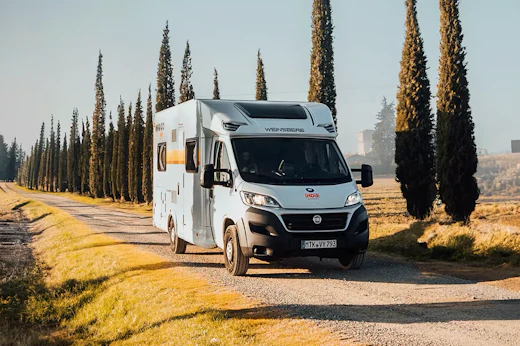
Front view of a large campervan with medium roof, side windows, and integrated cab.

Comfort Standard

4.6(500+)
5 passengers
Sleeps 5
Shower
Toilet
From

/night

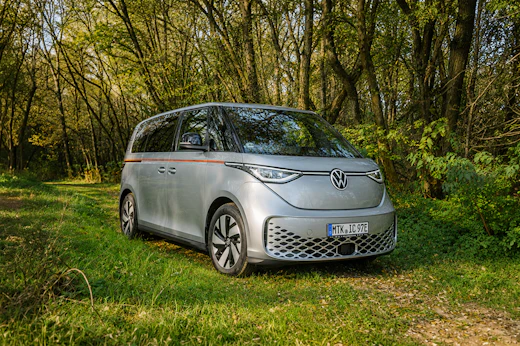
Front-side view of a medium-sized silver campervan without a roof tent.

California Electric

4.8(30)
seats 5
Sleeps 2
From

/night

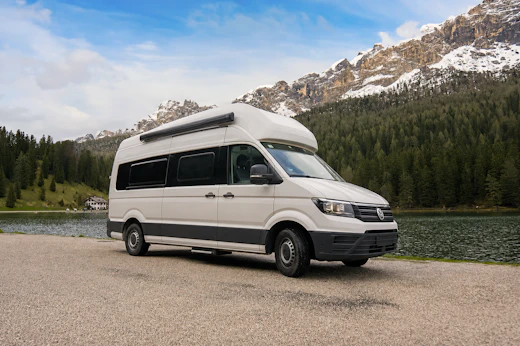
Large white campervan, side and front view, high roof, long wheelbase, no roof tent visible.

Grand California

4.7(500+)
4 passengers
Sleeps 2 adults and 2 children
Shower
Toilet
From

/night

Front side view of medium campervan with roof tent extended.

California

4.6(500+)
4 passengers
Sleeps 4
From

/night

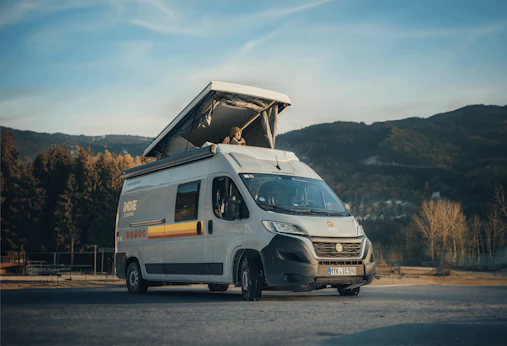
White campervan with raised pop-up roof parked outdoors, surrounded by trees and distant mountains under a blue sky.

Active Plus Select

4.7(500+)
4 passengers
Sleeps 4
Shower
Toilet
From

/night

Large motorhome side and front view, over-cab sleeping area, white exterior, no roof tent, long wheelbase.

Family Select

4.7(500+)
6 Seats
Sleeps 6
Shower
Toilet
From

/night

Medium-sized campervan, front and side view, high roof, sliding side door, no roof tent.

Active Bunk

4.5(500+)
4 passengers
Sleeps 4
Shower
Toilet
From

/night

eu-active-long-2-auto-select

Active Long Select

4.6(500+)
4 passengers
Sleeps 2
Shower
Toilet
From

/night

White campervan with raised pop-up roof parked outdoors, surrounded by trees and distant mountains under a blue sky.

Active Plus

4.6(500+)
4 passengers
Sleeps 4
Shower
Toilet
From

/night

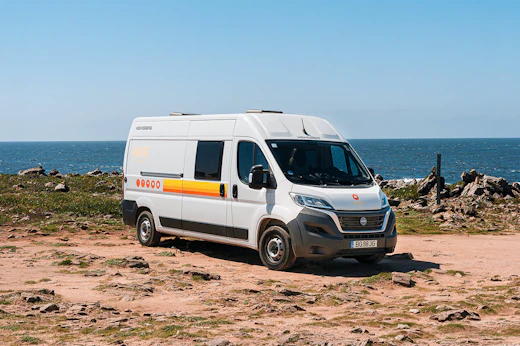
Large campervan, front and side view, standard roof, sliding side door, no roof tent visible.

Active Standard

4.6(500+)
4 passengers
Sleeps 2
Shower
Toilet
From

/night

Medium-sized campervan, side and front view, high roof, no roof tent, sliding side door visible.

Active Standard Select

4.7(500+)
4 passengers
Sleeps 2
Shower
Toilet
From

/night

Medium campervan, front and side view, high roof, no roof tent, door and windows on side, compact layout.

Comfort Standard Select

4.6(500+)
5 passengers
Sleeps 5
Shower
Toilet
From

/night

Blue campervan parked on a dirt road surrounded by trees, suitable for outdoor travel and camping adventures.

Active Standard Select

4.7(500+)
4 passengers
Sleeps 2
Shower
Toilet
From

/night

Medium-sized campervan side and front view, integrated cab, no roof tent, with extended living area.

Comfort Plus Select

4.7(500+)
4 passengers
Sleeps 4
Shower
Toilet
From

/night

Front-side view of a large campervan with a high roof, no roof tent, side door visible.

Compact Select

4.6(500+)
4 passengers
Sleeps 2
Shower
Toilet
From

/night

Large motorhome, front-side view, integrated cab and living space, no roof tent visible.

Space Select

4.7(500+)
4 passengers
Sleeps 4
Shower
Toilet
From

/night

Our Pick-up Center

Indie Campers Paris Charles de Gaulle

Indie Campers Paris Orly

Get Inspired

Our Road Trips Itineraries

Netherlands to France Road Trip road trip

Netherlands to France Road Trip

French Riviera Road Trip road trip

French Riviera Road Trip

Paris Road Trip road trip

Paris Road Trip

Bordeaux Road Trip road trip

Bordeaux Road Trip

See more

Reviews in Paris

Mariano G.

“Everything was really good, since the moment I arrived to pick up the camper, the guy at the pick up center was very kind, very helpfull and explained everything perfect. The camper that I rented was very new, everything worked as expected, we travelled for 6 days without any kind of issues. And at the last day, when we returned the camper, the lady at the dropoff center was also very kind so everything went soomthly and easily. We had a great experience, as it was our first time in a camper, renting one was a bit scary, but Indie Campers had changed our mind, and I would definitely rent a camper at Indie Campers again, I totally recommend it if you want to enjoy your trip!”

Charles H.

“Fantastic service, nice and easy to book, friendly staff and would definitely be using Indie Campers again!”

Morne B.

“The camper was excellent! We had a fantastic holiday. It could have been a tad cleaner, but overall great!!”


See all reviews in Paris

Destinations Near Paris

Campervan hire in

Paris Orly

See more

Campervan hire in

Nantes

See more

Campervan hire in

Lyon

See more

Campervan hire in

Bordeaux

See more

Campervan hire in

Toulouse

See more

Campervan hire in

Marseille

See more

Campervan hire in

Nice

See more

Campervan hire in

Bastia

See more

Campervan hire in Oceania

AustraliaNew ZealandSydneyAucklandMelbourneChristchurchQueenstownPerthCairns

Campervan hire in North America

USASan FranciscoLos AngelesLas VegasSalt Lake CityAnchorageSeattleCanadaDenver

Campervan hire in Europe

IcelandBarcelonaScotlandEdinburghUKItalyIrelandGermanyFranceNorway
  1. Home
  2. France
  3. Paris