Book 7 nights or more and enjoy an EXTRA 5% discount for travel until October 31. Use code ROAD26.
Travel more, save more!
Enjoy an extra 5% off for 7+ nights, 10% off for 14+, 15% off for 21+, and 20% off for 26+ nights. North America, Australia and New Zealand.
Campervan hire in Orlando - Best Deals
Campervan hire in Orlando
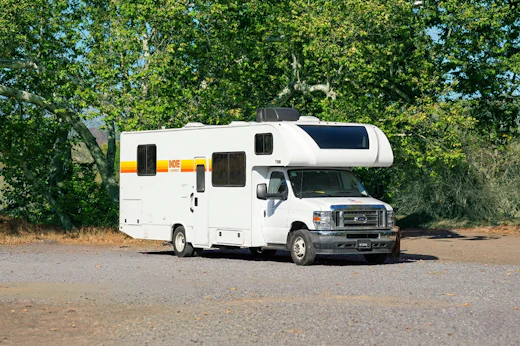
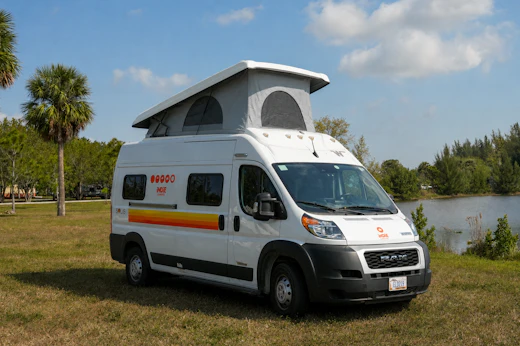
Start your Florida adventure with a campervan hire in Orlando from Indie Campers and explore the Sunshine State beyond the theme parks. Drive to the Gulf Coast beaches, venture to the natural springs of Central Florida, or head south toward the Everglades and the Keys. Choose from our range of reliable campervans with unlimited kilometres, flexible one-way options, and practical extras like beach gear, BBQ kits, or child seats. Backed by thousands of 4.7-star reviews, Indie Campers is trusted by travellers exploring Florida with freedom and flexibility.
Campervan Road Trips from Orlando
Orlando sits at the geographic centre of Florida, surrounded by the most ecologically diverse peninsula in North America. Within a half-day drive you have the Everglades, the largest subtropical wilderness in the United States; the Florida Keys, 182 km of coral islands connected by open-water bridges all the way to Key West; the Atlantic barrier beaches of Canaveral National Seashore; the Gulf Coast's white sand from Fort De Soto to the panhandle; and more than 1,000 freshwater springs running at 68-22.2 °C year-round across the river systems north of the city. Florida is not one landscape; it is six, and Orlando puts you within reach of all of them. The city itself delivers before you leave: Kennedy Space Center 70.8 km east, Balboa Park-rivalling Balboa Park-scale Balboa Park-rivalling cultural depth in Winter Park, and proximity to major events including the Daytona 500 (96.6 km northeast, February, NASCAR's most iconic race), the Calle Orange music festival (downtown Orlando, October), and Spring Training Grapefruit League baseball across 15 stadiums within 193 km from February through March. Beyond the city, the real case for Orlando is what you can reach without repeating a mile: the
What to do in Orlando
Everglades National Park -378 km south via Florida's Turnpike (SR-91), roughly 3 hours 30 minutes to the Ernest Coe entrance at Homestead. The Everglades covers 1.5 million acres of sawgrass prairie, cypress slough, mangrove estuary, and coastal waterway across the southern third of the Florida peninsula. It is the largest subtropical wilderness in the United States, the primary habitat for 36 threatened or endangered species including the Florida panther, the American crocodile, and the West Indian manatee, and one of the most misunderstood landscapes in the country. It is not a swamp. It is a river, 96.6 km wide and 15.2 cm deep, moving slowly south from Lake Okeechobee toward Florida Bay. Everything in the park arranges itself around that sheet flow of water.
The Overseas Highway: Florida Keys -56.3 km south of the Everglades entrance and 579 km south of Orlando via Florida's Turnpike and US-1. The Overseas Highway is not a scenic drive in the conventional sense. It is something more specific and stranger: a two-lane road built on coral rock and old railroad bridge foundations, running 182 km across 31 keys from Florida City to Key West, with the Atlantic Ocean on the left and Florida Bay on the right for most of its length. The elevation averages about 0.91 m above sea level. The Seven Mile Bridge (GPS: 24.6944° N, 81.2484° W) crosses open water with nothing visible in any direction except ocean, frigate birds, and the original railroad bridge running parallel to the south. It is genuinely unlike any other road in the United States.
Canaveral National Seashore and Kennedy Space Center - 80.5 km east via SR-528, roughly 60 minutes. The two are adjacent on the Atlantic coast and natural to combine into one overnight stop. Canaveral National Seashore protects 38.6 km of the last undeveloped Atlantic barrier beach in Florida, immediately north of the Kennedy Space Center restricted zone. Playalinda Beach (GPS: 28.6560° N, 80.7097° W, $20/vehicle) at the south end covers 20.9 km of beach accessible by numbered parking areas; Apollo Beach (GPS: 28.9430° N, 80.8009° W) at the north end is reached from New Smyrna Beach. The beach is wide, flat, and quiet in a way that is difficult to find 80.5 km from a major American city. Sea turtle nesting runs May through September; Playalinda is one of the highest-density loggerhead nesting beaches on the East Coast.
Blue Spring State Park - 54.7 km north via I-4 and US-17, roughly 45 minutes. Blue Spring runs at a constant 20 °C year-round. Between mid-November and mid-March, when the St. Johns River water temperature drops below that threshold, 200-450 West Indian manatees crowd the spring run seeking warmth. The boardwalk along the 500-metre spring run provides unobstructed viewing from directly above: manatees resting and drifting in clear blue water, juveniles beside adults, the full population gathering in a spring that runs 30.5 m wide. It is the most concentrated manatee viewing anywhere in Florida without a boat, and it costs $6 per person to enter. Swimming is suspended while manatees are present, roughly mid-November through mid-March; the spring reopens for swimming and snorkeling in spring and summer when the visibility runs 30-plus feet in water the colour of pale blue glass.
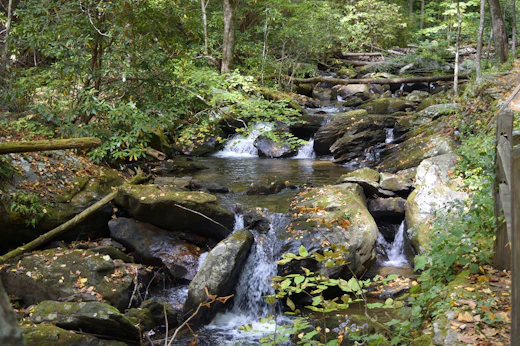
Ocala National Forest - 95 km north via US-441, roughly 75 minutes. Ocala is the southernmost national forest in the contiguous United States and the best free camping destination accessible from Orlando. The forest covers 600 square miles between the St. Johns River and I-75 and contains two major spring systems open to swimming: Alexander Springs (GPS: 29.0778° N, 81.5762° W), running 246 million litres per day at 20 °C with a canoe launch into Alexander Creek, and Juniper Springs (GPS: 29.1851° N, 81.7128° W), which feeds a 11.3 km canoe run through old-growth cypress hammock that is one of the best half-day paddling routes in Florida. Silver Glen Springs (GPS: 29.2368° N, 81.6549° W, $10/vehicle day use) is the least-visited of the three despite being directly accessible from US-19. The 108 km Ocala section of the Florida National Scenic Trail runs through the forest interior through longleaf pine and turkey oak scrub.
Get Inspired
Our Road Trips Itineraries
Why Hire a campervan in Orlando
The national park system alone makes the case. Florida has 3 national parks, 2 national seashores, and 175 state park campgrounds, and the most significant ones, the Everglades, the Florida Keys, the Atlantic barrier islands, are in locations where the accommodation math consistently favours a campervan. Staying at Flamingo Campground on Florida Bay and waking before the day-trippers drive in from Homestead is a different experience than driving in from a hotel. The birds are different at 6 a.m. The alligators are in different positions. The light on Florida Bay at dawn is worth the trip on its own.
The spring system is the less-marketed version of what Florida actually offers. More than 1,000 freshwater springs dot the peninsula, all running at 68-22.2 °C regardless of season. The ones accessible from Orlando, Blue Spring, Alexander Springs, Juniper Springs, Ichetucknee Springs (145 km northwest, one of the best tube float rivers in the Southeast), Silver Springs (113 km north), and Rock Springs (45.1 km northwest), represent a completely different
Why Choose Indie Campers in Orlando
Every booking includes unlimited kilometres, 24/7 road assistance, and Basic Protection as standard. An Orlando-to-Key-West-and-back route covers 1,159 km. Add Ocala, the Gulf Coast, and the Everglades on a 14-day Florida circuit and you cross 2,253 km without effort. No per-mile calculation on any of it. One-way flexibility matters specifically in Florida because the natural route logic almost never loops back: Orlando to Key West drops off in Miami, the Gulf Coast circuit ends in Tampa, and a southeastern run through the panhandle connects to New Orleans or Nashville.
Over 73,000 verified traveller reviews, rated 5.0.
What's the Best Time to Hire a campervan in Orlando?
Winter (November through April) is Florida's outdoor season and the strongest window for wildlife, national parks, and the Everglades. Humidity drops, afternoon thunderstorms disappear, and temperatures hold at 65-26.7 °C through the coast and springs. Manatees arrive at Blue Spring from mid-November and peak at 200-450 animals in January and February. The Everglades reaches its highest wildlife density between December and March as the dry season concentrates birds and alligators into shrinking pools and creek bends. The most popular state park campgrounds, Blue Spring, Fort De Soto, and Wekiwa Springs, sell out the day their 6-month booking window opens for December-February dates. Outside of those peak sites, the winter season is the most rewarding window for everything on this page.
Spring (March through May) is a strong transitional window. Manatees remain at Blue Spring through mid-March. The Keys and the Gulf Coast are at their most pleasant: clear skies, temperatures in the low 70s, and the afternoon thunderstorms are still mostly absent. Spring break in late March puts pressure on US-1 through the Keys and on Atlantic coast campgrounds; the week before and after the official break window is significantly less crowded. April and May are genuinely good months for the springs, the
How Many Days Do You Need for a Orlando Road Trip?
3 to 5 Days
Orlando Springs and Atlantic Coast Loop (644 km, 4-5 days) Day 1: Pick up campervan, drive north to Wekiwa Springs or Blue Spring (35-88.5 km), swim in the spring, overnight at the state park campground. Day 2: North through Ocala National Forest to Alexander Springs and Juniper Springs (60-145 km from Blue Spring), overnight at Alexander Springs Campground. Day 3: East to Canaveral National Seashore and Kennedy Space Center (145 km from Ocala), overnight at Manatee Hammock. Day 4: Morning at Playalinda Beach, drive south to Orlando (80.5 km). Total: 350-644 km. Everything within 90 minutes of the depot.
Orlando to the Everglades Direct (805 km, 4-5 days) Day 1: Pick up campervan, drive south via Florida's Turnpike to Long Pine Key Campground (378 km, 3 hours 30 minutes). Day 2: Anhinga Trail at dawn, Pa-hay-okee Overlook, drive to Flamingo, overnight on Florida Bay. Day 3: Morning at Flamingo, drive north through the park, detour into the Keys to Key Largo and Pennekamp State Park. Day 4: Drive north to Orlando or continue south to Miami for a one-way drop-off. Total: 805 km south-and-back or 966 km one-way to
Where to Refuel and Refill Near Orlando
Fuel Stations
Costco — The best pre-trip fill in the metro: consistently $0.25-$0.11/L below street pricing. Membership required. Fill here before any southbound run toward the Everglades or Keys.
Wawa — The dominant Florida convenience chain and the most reliable fuel network throughout the state. Clean facilities, consistent pricing, and pull-through lanes sized for campervans. The default fuel stop throughout a Florida circuit.
Average regular unleaded price in Florida: Florida fuel taxes run below California but above the southeast US average; fill completely in Homestead before driving SR-9336 into the Everglades, no fuel for 61.2 km to Flamingo. In the Keys, petrol stations throughout US-1 accommodate most campervan sizes but pricing runs $0.50-$1.00 above mainland
Tips for Hiring a campervan in Orlando
Minimum hire age is 21. No maximum age restriction. A valid driver's licence is required for all drivers; international visitors whose licence is not in Roman script must carry an International Driving Permit alongside their home country licence.
The America the Beautiful Annual Pass at $80 covers entrance fees at every national park, monument, and federal recreation area. From Orlando, it covers Everglades ($35/vehicle), Canaveral National Seashore ($20/vehicle), Biscayne National Park, Dry Tortugas, and Ocala National Forest. If your trip includes the Everglades and any one other federal site, the pass covers its cost before the second entry.
Florida State Park campground reservations go through ReserveAmerica at floridastateparks.reserveamerica.com, a separate system from Recreation.gov requiring a separate account. Blue Spring, Wekiwa Springs, Fort De Soto, and popular Keys state park campgrounds go live 6 months ahead; high-demand winter dates fill within minutes. Set up your account and payment details before your booking window opens.
The Keys campground booking window matters more than almost anywhere else in Florida. John Pennekamp, Long Key State Park, Bahia Honda, and Curry Hammock all have strict vehicle length limits. Verify your hire vehicle's exact dimensions against the campground's maximum before confirming any Keys booking.
Hurricane season runs June 1 through November 30 with peak risk August through mid-October. Monitor nhc.noaa.gov daily for any August-October travel. Florida's I-75 (Alligator Alley) and I-10 are the primary designated hurricane evacuation routes.
Driving Tips for Orlando and Florida
Speed Limits
Florida interstates: 113 km/h in rural areas, 105 km/h through the Orlando metro.
Florida's Turnpike: 113 km/h between Orlando and Miami; 88.5 km/h through service plaza zones.
US-1 through the Keys: 72.4 km/h on most stretches with active 56.3 km/h zones through populated keys; posted limits are enforced.
SR-9336 through the Everglades: 56.3 km/h; wildlife crossing enforcement is active.
Urban surface streets: 30-56.3 km/h; school zone automated enforcement in Orange and Osceola counties.
Road Conditions
I-4 through Orlando: Multi-lane, well-maintained, but high congestion during peak hours. Use SR-417 and SR-408 to bypass.
Florida's Turnpike south: Excellent condition throughout; the most reliable route for any southbound run.
US-1 through the Keys: Two lanes, no passing zones on the longer bridges, 35-72.4 km/h; manageable for Class C motorhomes at posted speeds.
SR-9336 through the Everglades: Paved, two lanes, no campervan restrictions, no fuel or services between Homestead and Flamingo (61.2 km).
Estimated Costs for an Orlando Campervan Trip
7 Days
campervan hire: $700-$1,500 (vehicle size and season; January-April and June peak school holiday weeks push toward the high end)
Fuel: $200-$420 ([DATA NEEDED: verify current Florida average on GasBuddy before publishing]; at $0.9/L, 500-1,287 km typical for a 7-day central Florida circuit at 16.8-23.5 L/100km = 36-303 L)
Propane: $25-$50 (one full refill over 7 days)
Tolls: $20-$60 (Turnpike and SR-528 use; zero if routes stay on free roads)
Campgrounds: $140-$490 ($20-$70/night x 7 nights; Ocala NF dispersed at the low end, Fort De Soto full hookup at the high end)
National park entries: $80 (America the Beautiful Pass covers Everglades, Canaveral, Biscayne, and Ocala NF for 12 months)
Florida State Park entries: $0-$56 ($8/vehicle day use when not camping; covered for registered campers)
One-Way Campervan hire from Orlando
Orlando → Miami(612 km, 3 hours 30 minutes via Florida's Turnpike) Route: SR-528 east to SR-91 south through Homestead; US-1 through Homestead for Everglades access.
Florida's most direct one-way. Add 1-2 nights at Long Pine Key or Flamingo before dropping off in Miami.
Orlando → Nashville (1,690 km, 9 hours 30 minutes via I-75 north) Route: I-4 west to I-75 north through Tampa, Atlanta, and Chattanooga. Florida to Tennessee in one direction.
Big South Fork Recreation Area and Fall Creek Falls State Park sit directly on this route and are worth overnight stops.
Orlando → New York(2,897 km, 16 hours via I-95 north) Route: I-4 east to I-95 north through Jacksonville, Savannah, Charleston, and Philadelphia. Florida to New England in one direction.
Why Start Your Campervan Trip in Orlando?
MCO serves direct flights from most major US cities and dozens of international markets. The Indie Campers pick up centre is 10 minutes from the terminal. The road network from Orlando reaches the Atlantic coast, the Gulf Coast, and three distinct natural systems, the spring rivers, the Everglades, and the Florida Keys, each within a half-day drive. One-way flexibility means the itinerary ends wherever the route logically finishes: Miami, Nashville, or New York, without retracing a mile.
The city itself holds a full day before departure. Winter Park in the morning, the springs in the afternoon, and the campervan loaded by evening.
drop-off to the south, the Gulf Coast panhandle and New Orleans to the west, the Atlantic seaboard and New York to the north. With unlimited kilometres and one-way drop-off options including Miami, Tampa, Nashville, and
, Orlando gives you the freedom to drive the full length of the American Southeast without turning around.
Florida
from the one most international visitors see. A campervan gives you the access and flexibility to move between them at any pace that works.
The economics are straightforward. A hotel within 8.05 km of the Disney-Universal corridor runs $200-$400 a night at peak season; budget properties hover at $100-$180. Florida state park campgrounds charge $22-$38 per night with electric and water hookups. On a 10-night trip, the accommodation difference covers a substantial part of the hire cost. Beyond price, Florida's natural attractions are 3-5 hours from each other by definition. Base-camping in one city and day-tripping to the Everglades, the Keys, and the Gulf Coast adds 4-8 hours of daily driving on top of whatever hotel rate you are paying. A campervan relocates the bedroom to wherever the route takes you.
Everglades
, and the Gulf Coast before summer humidity arrives.
Summer (June through September) is Florida's rainy season. Daily afternoon thunderstorms are the rule June through September, typically arriving between 2-4 p.m. and lasting 30-60 minutes. They are usually localised and brief, but lightning fatalities occur every year in Florida on exposed beaches and causeways; when the storm window arrives, get off the water and away from trees. Average temperatures run 90-35 °C with high humidity. Hurricane season runs June 1 through November 30; peak risk is August through mid-October. Monitor nhc.noaa.gov daily for August-October travel. The upside: the springs are at their most appealing against summer heat, campsite availability is better than in winter except over July 4th and Labour Day weekends, and the Everglades campgrounds are far less competitive.
Fall (October and November) is the underrated window. Hurricane risk subsides after mid-October, crowds thin after Labour Day, temperatures and humidity fall, and the natural systems reset after the summer rains. Blue Spring's manatees begin arriving in mid-November. The Everglades dry season starts in October and wildlife density in the park increases week by week through November. October campground availability is significantly better than any winter month, and the light through the Everglades and the Gulf Coast in October is worth the trade.
Most popular months: January, February, March, October.
Florida Springs, Keys, and Everglades Circuit (1,609 km, 9-10 days) Orlando → Blue Spring (88.5 km, 1 night for manatees November-March, swimming in summer) → Ocala National Forest (96.6 km north, 2 nights: Alexander Springs, Juniper Springs canoe run) → south back through Orlando → Florida's Turnpike south to Key Largo (370 km, 1 night at Pennekamp) → Islamorada (56.3 km, 1 night) → Marathon (56.3 km, 1 night: Turtle Hospital in the morning) → Key West (80.5 km, 2 nights: Stock Island campground, city by bicycle) → north via Homestead to Long Pine Key or Flamingo in the Everglades (1 night) → return to Orlando or drop off in Miami. Florida's definitive 9-10 day circuit.
Gulf Coast and Springs Loop (1,448 km, 8-9 days) Orlando → Weeki Wachee Springs State Park (105 km west) → Crystal River National Wildlife Refuge (129 km north of Weeki Wachee, manatee snorkeling October through March) → Ocala National Forest (113 km east, 1-2 nights) → back south to Orlando → Fort De Soto (209 km southwest, 2 nights) → Myakka River State Park (322 km southwest, 1 night: alligator boat tours on Upper Myakka Lake) → return to Orlando or drop off in Tampa. Covers the spring system and the Gulf Coast without touching the theme park corridor.
14 Days or More
Orlando to New Orleans: Gulf Coast Run (1,931 km, 12-14 days) Orlando → Fort De Soto (209 km, 2 nights) → St. Joseph Peninsula State Park, Cape San Blas (467 km northwest, 2 nights: one of the finest undeveloped Gulf barrier beaches in the US) → Gulf Islands National Seashore near Pensacola (209 km, 2 nights: white sand, Fort Pickens Civil War fortifications, $30/night Recreation.gov) → Mobile, Alabama (96.6 km) → New Orleans (233 km, 2-3 nights: drop off or continue west). The entire Florida Gulf Coast panhandle is on this route.
Florida Full Circuit (2,253 km, 14 days) Orlando → Springs north: Wekiwa, Blue Spring, Ocala (3 days) → Atlantic coast south: Canaveral, Sebastian Inlet (2 days) → Florida Keys south to Key West (3 days) → Everglades (2 days) → drop off Miami. A complete Florida circuit covering all four major geographic zones with nothing repeated.
Seven to nine days covers the Keys circuit or the springs and Gulf Coast loop properly. The Overseas Highway to Key West does not work as a one-night stop; driving to mile marker 0 for a single night and turning around leaves you wanting more. Build in two nights at minimum.
Camping World — Full-service campervan supply store with bulk propane fill; the best pre-trip provisioning stop for extendedFlorida trips. Open 7 days.
U-Haul — Orange Blossom Trail; bulk propane fills and cylinder exchanges, open 7 days.
Tractor Supply — East Orange County; cylinder exchange.
Blue Rhino and AmeriGas — Cylinder exchange at virtually every Walmart, Home Depot, and Lowe's throughout the Orlando metro. Exchange only.
Propane notes: No refill options inside Everglades National Park, Canaveral National Seashore, or anywhere in the Keys south of Florida City. Fill before Homestead for the Everglades run and before Florida City for the Keys. In Ocala National Forest, the town of Ocala on US-441 has U-Haul and hardware store propane before you enter the forest.
Dump Stations
Camping World Kissimmee — On-site, during store hours, included with camping.
Blue Spring State Park — Included with camping.
Alexander Springs Campground, Ocala NF — Included with camping.
Long Pine Key Campground, Everglades — Included with camping; confirm operational status before arrival as Everglades facilities can close seasonally.
Fort De Soto Park — Non-camper dump station available for a fee.
Sanidumps.com — Maps all known Florida dump stations with hours and fees.
Essential Apps for Your Orlando Campervan Trip
ReserveAmerica — All Florida State Parks campground bookings: Wekiwa Springs, Blue Spring, Fort De Soto, Sebastian Inlet, Myakka River, and state park campgrounds throughout the Keys. Create an account and save payment details before your target booking window opens.
Recreation.gov — Federal campground bookings: Everglades (Long Pine Key, Flamingo), Ocala NF (Alexander Springs, Juniper Springs), Canaveral (primitive camping), and any NPS sites on your route.
GasBuddy — The fuel price spread in a Florida circuit can be significant; the difference between a Costco fill in Orlando and a Keys service station fill can exceed $0.32/L. Check before every major fill once outside the metro.
NPS App — Download offline maps for Everglades, Canaveral, Biscayne, and Dry Tortugas before leaving Orlando. Cell coverage is unreliable south of Homestead on SR-9336 and spotty on several individual Keys.
Waze — Essential for I-4 through Orlando (consistently one of the most congested highway corridors in the US) and for SR-528 and Florida Turnpike routing. Enter your campervan height before departure.
SunPass App — Florida's toll network covers the Turnpike, SR-528, SR-408, SR-417, and SR-429. The Indie Campers vehicle documentation will include transponder or Toll-by-Plate instructions. Manage your account at sunpass.com.
iOverlander — Best for Ocala National Forest dispersed camping coordinates and user-reported road conditions on unpaved forest routes after rain.
Windy — Essential for Keys and Gulf Coast trip planning. Afternoon thunderstorm cells move quickly across southern Florida; coastal wind conditions affect Dry Tortugas ferry departures from Key West with little notice.
Ocala National Forest roads: All primary routes (US-441, FR-445A to Alexander Springs) are paved and accessible. Dispersed camping pull-offs on FR-11 and FR-73 are unpaved but manageable for most 2WD campervans in dry conditions.
Driving Culture: Florida has some of the highest traffic fatality rates per vehicle mile in the US. The primary factors: speed, distraction, and aggressive merging on the interstate system. Give additional following distance in the I-4 and I-95 corridors compared to what you would use in a smaller vehicle. Slower traffic keep right is a Florida statute (§316.081). On the Turnpike and I-75 outside the metro area, stay right if you are not actively overtaking.
Alcohol limit: 0.08% BAC. Florida DUI first offence: mandatory 6-12 month licence revocation, $500-$1,000 fine minimum, 50 hours community service, and DUI school enrollment. Total first-offence costs including attorney fees and insurance typically run $8,000-$12,000.
campervan-Specific
Florida's road network is broadly flat and highly accessible for campervans; no significant grade or clearance challenges on any paved route in this guide.
Propane: Turn off at all fuel stops. Standard protocol applies throughout.
Wildlife crossings: Alligators cross roads throughout the state, particularly at dusk and dawn on rural routes near water. Florida panthers cross SR-29 and US-41 (Tamiami Trail) through the Everglades corridor; speed limits on US-41 near the Fakahatchee Strand are actively enforced specifically for this reason. Slow for any animal on the road.
Keys bridges: All 42 Overseas Highway bridges are unrestricted for standard hire campervans up to 3.96 m 15.2 cm. Do not attempt to pass another vehicle on any of the longer bridges; wait for the lane ahead to clear.
Summer heat management: Parking a campervan in direct Florida sun in July creates interior temperatures exceeding 60 °C within 20 minutes. Park in shade wherever available, crack windows, use a reflective windshield shade, and never leave pets or children in an unventilated vehicle.
Food: $200-$500
Activities: $75-$300 (Kennedy Space Center $75/adult; Pennekamp boat tour $45/adult; Turtle Hospital $25/adult)
Budget: $1,350 (smaller campervan, cook all meals, Ocala National Forest dispersed camping, America the Beautiful Pass, avoid toll roads)
Mid-range: $2,800 (mid-size family van, mix of cooking and dining out, state park campgrounds with hookups, Kennedy Space Center, standard Turnpike use)
Premium: $5,000+ (largest motorhome, frequent dining, full-hookup coastal and national park campgrounds, multiple paid activities, peak January-April season pricing)
14 Days
campervan hire: $1,400-$3,000 (same seasonal and vehicle-size variables; a 14-day January booking in a family-size vehicle sits at the top of that range)
Fuel: $400-$840 ([DATA NEEDED: verify current Florida average on GasBuddy before publishing]; at $0.9/L, 1,000-2,414 km for an Orlando-Keys-Everglades-Gulf circuit at 16.8-23.5 L/100km = 72-568 L)
Campgrounds: $280-$980 ($20-$70/night x 14 nights; Ocala NF dispersed at the low end, Fort De Soto full hookup at the high end)
National park entries: $80 (America the Beautiful Pass covers all federal sites for the full 14 days)
Florida State Park entries: $0-$112 ($8/vehicle day use when not camping)
Food: $400-$900
Activities: $100-$400 (Kennedy Space Center, Keys snorkeling tour, Everglades boat tour)
Budget: $2,700 (smaller campervan, cook all meals, mix of Ocala NF dispersed and national park no-hookup campgrounds, America the Beautiful Pass, limited Turnpike use)
Mid-range: $5,200 (mid-size family van, mix of cooking and dining, state and national park campgrounds with hookups, Kennedy Space Center plus one Keys activity, standard Turnpike use)
St. Augustine (177 km north of Orlando) is the natural first overnight; Savannah (901 km north) is the strongest second stop.
Orlando → Chicago (3,541 km, 20 hours via I-75 north) Route: I-75 north through Atlanta, Knoxville, and Louisville. A full long-haul one-way. Great Smoky Mountains National Park sits directly on this route (no entry fee; campgrounds through Recreation.gov) and provides a natural 2-3 night midpoint stop.
One-way fees vary by route and season. Confirm availability and pricing at the time of booking.
Florida
's natural attractions are genuinely extraordinary when you get away from the theme park corridor, and a campervan is the most direct way to access them.
Indie Campers has 73,000+ verified traveller reviews averaging 5.0. Unlimited kilometres means no per-mile calculation before deciding whether to extend into the Keys or spend a night at Flamingo. 24/7 road assistance covers the 61.2 km stretch with no services between Homestead and Flamingo. One-way flexibility means the itinerary ends wherever the route makes sense.
Do I need a special licence to hire a campervan in Orlando?
In general, a special licence is not required to hire our campervans in Orlando. However, a valid driving licence is required to operate our vehicles. For some non-EU citizens, a IDP is required, in addition to their home country's driver's licence. Other considerations such as a valid vehicle licence to the vehicle type (manual or automatic) will also be required. For more information regarding our licence requirements read this.
Are pets allowed in your campervans?
Yes, our campervans are pet-friendly. Just make sure to purchase the extra cleaning service during your booking. This service includes professional anti-allergic cleaning after your trip. Please note that only one pet is allowed per motorhome, and it must weigh no more than 30kg. Keep in mind, we are not responsible for any legal fees related to travelling with your pet. For marketplace bookings, check the "vehicle rules" section for the pet-friendly icon to confirm if pets are allowed in that specific vehicle.
How many people can sleep in a campervan/motorhome?
The number of people who can sleep in our campervans will depend on the size of the vehicle and the model. In general, our class C motorhome models can sleep up to 4-8 people, whereas our class B motorhomes can sleep up to 2-4. For cars with a rooftop tent, around 2 people can sleep in this vehicles. More details on our models and sleeping capacities can be found here.
Where can I stay overnight in Orlando with a campervan hire and is it safe?
If you are travelling in a campervan, motorhome or caravan around Orlando, it is important to understand official camping rules of the country you are visiting. As natural areas are generally protected by laws, using an official campsite or designated overnight parking area is highly recommended. This helps protect local communities and ensures you can all enjoy safely. Read more safety tips and protocols here.
Is it safe to hire a campervan in Orlando, will I be protected?
We offer three protection plans to cover incidents and damages during your hire period. All Indie Campers motorhomes come with insurance for third-party vehicles and property damage (valid insurance will depend on the country). For marketplace vehicles, insurance options may vary based on the host.
Yes, our search filter allows you to find a campervan near your location using a 60km radius system. This means depending on the location you are searching from, you will be able to find an Indie campervan hire pick-up centre near you.
Do your campervan hire in Orlando come with unlimited kilometres?
Yes, a selected number of Indie Campers campervan hire in Orlando include unlimited kilometres, allowing you to explore freely and make the most of your road trip! Please note that unlimited kilometres applies exclusively to Indie Campers campervans and is subject to responsible use.