Start your northern Spain road trip with a campervan hire in Bilbao and uncover the rugged charm of the Basque Country. Cruise toward San Sebastián for seaside culture and cuisine, catch waves along dramatic coastal stretches, or venture inland to explore the vineyards and villages of La Rioja. Choose from Indie Campers' California, Active, or Comfort models, all equipped with unlimited kilometres, flexible one-way options, and useful extras like surf racks, picnic kits, or kitchen gear to make every stop more enjoyable. With a fleet rated 4.9 stars by travellers across Europe, Indie Campers helps you experience Spain's northern landscapes with freedom, comfort, and adventure at every turn.

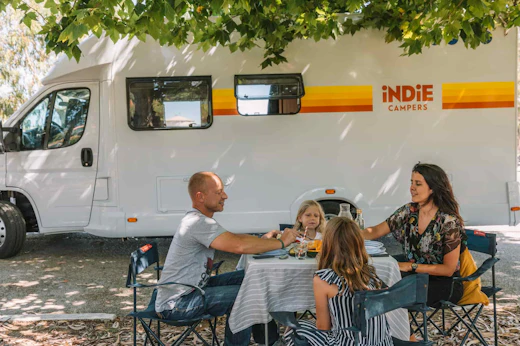

Our Road Trips Itineraries
The most direct argument for Bilbao as a starting point is the four-direction reach. West on the A-8 takes you along the Cantabrian coast toward Santander and the Picos de Europa. East on the AP-8 takes you to San Sebastián and the French Basque coast. South on the AP-68 takes you to La Rioja and the Ebro valley. Southeast on the A-1 takes you to Pamplona, the Navarrese Pyrenees, and the Baztan valley. No single itinerary uses all four corridors, but all four are viable day-one drives from the depot.
The second argument is the city. Bilbao is the only major Spanish city where architecture alone drove the economic transformation of a post-industrial metropolitan area. That is a specific and verifiable fact, not a promotional claim. The Guggenheim opened in 1997; the Bilbao metropolitan area had 14% unemployment and a collapsed industrial base. By 2007 the unemployment rate had halved and the service sector had replaced heavy industry as the economic base. The building on the river did that, or at least contributed to it more directly than any other single project. Whether you are interested in architecture, urban economics, or simply in looking at an extraordinary object, the Guggenheim is worth one morning before you collect the vehicle.
The third argument is food. Bilbao and San Sebastián together form the highest concentration of Michelin-starred restaurants per capita of any metropolitan area outside Tokyo and Kyoto. You do not need to eat in a Michelin restaurant to eat exceptionally well here: a counter of pintxos and a glass of Txakoli at a standing bar in the Bilbao Casco Viejo costs €10-15 for a complete meal and is the specific form of eating that defines this region. The food does not require a reservation, a credit card, or a special occasion. You stand at the bar, point at what you want, and drink cold Txakoli from a high-poured glass. That is lunch.
Unlimited kilometres: Bilbao to San Sebastián is 161 km. Bilbao to Potes (Picos de Europa) is 266 km. Bilbao to Haro (Rioja Alta) is 161 km. The Basque-Rioja-Cantabrian circuit covers approximately 700-1,448 km depending on routing. No daily cap.
One-way hire across 100+ locations: Pick up in Bilbao, drop off in Madrid, Barcelona, or any European depot. The Bilbao-to-Madrid one-way via Vitoria and Burgos (531 km, 3 hours) covers the Meseta approach through the Basque passes; the Bilbao-to-Barcelona one-way via the AP-68, Zaragoza, and the AP-2 (998 km, 5 hours 30 minutes) is the main Spain north-coast to northeast corridor.
24/7 roadside assistance: Included on every booking. The Picos de Europa, the Baztan valley, and the upper Roncesvalles pass all have sections of limited mobile signal. Breakdown cover has direct practical value.
Best price guarantee, flexible cancellation, and book-now-pay-later: Available at indiecampers.com.
Spring (March to May)
Temperatures: 9-18 °C
The Basque Country is green in spring because it rains. Bilbao receives approximately 1,200mm of annual rainfall, the vast majority of it as Atlantic frontal rain between October and May; the Cantabrian mountains intercept the moisture before it reaches the Ebro plateau to the south. This is why the Basque landscape is a vivid, saturated green and the Rioja vineyards 161 km south are on an arid plateau. In spring, the Urdaibai estuary marshes are at their most active for breeding birds; the Laguardia and Haro vineyards are in bud; the Roncesvalles beech forest (Hayedo de Irati, GPS: 42.9833° N, 1.2667° W, one of the largest beech forests in Europe at 17,000 hectares) is fully leafed from late April. Surfing at Zarautz and Mundaka is at peak quality from March through May with consistent north and northwest swells.
Best for: Urdaibai birdwatching (April breeding season), Rioja bud-burst, Zarautz and Mundaka surfing, Flysch cliff walks without summer crowds.
Skip if: You want predictable dry weather. May is the best spring month; March and April carry a high probability of multi-day Atlantic rain events.
Summer (June to August)
Temperatures: 17-25 °C
The Basque coast summer is the most temperate in Spain: 22-25°C average in July and August, with Atlantic influence moderating the heat that the rest of the country experiences. San Fermín in Pamplona (6-14 July) is the dominant event reason; book all campsite and Área accommodation within 48.3 km of Pamplona by March at the latest. The Playa de la Concha in San Sebastián reaches 19-21°C sea temperature in July and August. The Rioja wine region in summer: the vineyards are in full canopy and the bodega visit circuits are at maximum availability, but Logroño and Haro reach 35-38°C in July; plan morning visits and avoid outdoor exposure in the Ebro valley from 1:00 p.m. to 5:00 p.m.
The Semana Grande festivals (mid-August) in both Bilbao and San Sebastián run simultaneously for one week: concerts, fireworks, and street festivals in both cities. Bilbao's Aste Nagusia runs 9 days typically in the third week of August (check bilbao.eus for current dates); the Marijaia figure, a papier-mâché woman with arms raised, is the festival mascot and appears on every balcony in the Casco Viejo.
Best for: Playa de la Concha swimming, San Fermín (book 6+ months ahead), Rioja bodega visits, Picos de Europa hiking above 1,500 metres, Aste Nagusia festival week.
Skip if: You want Mundaka and Zarautz surf. Summer swells are small; the Basque coast surf is an autumn-to-spring phenomenon.
Autumn (September to October)
Temperatures: 11-21 °C
September is the optimal month for the Bilbao circuit. The Rioja vendimia (grape harvest) runs from the last week of September through October; the vineyards in Rioja Alavesa and Rioja Alta are at maximum visual interest with the vines in full autumn colour against the yellow limestone of the Sierra Cantabria. Bodegas open their harvest events from late September: López de Heredia and CVNE both host vendimia visits (check individual websites for annual dates). The Flysch cliff walks at Zumaia and Deba are at their best in September light, with the horizontal low sun picking up the layer colours in the cliff face. Mundaka and Zarautz surf rebuilds from September: the first consistent north swells arrive in September and October.
The Urdaibai estuary migration is at maximum October numbers: wading birds, duck, and wintering raptors all build through September and October. The Hayedo de Irati beech forest turns orange-gold from mid-October; the colour peaks around 20-25 October and lasts approximately 2 weeks.
Best for: Rioja vendimia and autumn vine colour, Mundaka and Zarautz autumn surf, Urdaibai migration, Irati beech forest colour (mid-to-late October), San Sebastián without summer crowds.
Skip if: You need guaranteed dry weather. Atlantic fronts return from late September; October carries a 40-50% probability of rain on any given day.
Winter (November to February)
Temperatures: 3-11 °C
Bilbao's Guggenheim in winter is the specific argument for a cold-weather visit. The titanium facade changes colour through the grey winter sky in a way the summer photographs do not capture; the building is at its most dramatic in flat winter light. The Guggenheim's winter exhibitions tend to be the most conceptually ambitious; check guggenheim-bilbao.eus for the current programme. The Rioja winter: the vines are pruned and bare from November through February, but the bodega cellars and ageing rooms are open year-round and the Haro restaurants serve their best cocido riojano (chickpea and chorizo stew) and porrusalda (leek and potato soup) from October through March. The Picos de Europa in winter: the upper cable car at Fuente Dé closes in heavy snow but the lower valley and the Hermida gorge are accessible year-round and the limestone cliffs are more visible from the gorge road without summer leaf cover.
Best for: Guggenheim in winter light, Rioja bodega cellar visits without summer tour groups, Cantabrian coast surfing at Zarautz and Mundaka at peak swell quality, Bilbao Casco Viejo pintxo bars with no tourist queue.
Skip if: You want predictable outdoor walking weather. November through January carries regular Atlantic rain events of 3-5 days consecutively.
The most popular months for Bilbao campervan hire are June, July, August, and September.
Bilbao, Urdaibai, and San Sebastián (approx. 563 km, 4 days)
Bilbao, Rioja, and Basque Interior (approx. 644 km, 4 days)
Basque Country, Rioja, Cantabria, and the Picos (approx. 1,448 km, 8 days)
The Northern Spain Grand Circuit: Basque Country, Rioja, Navarre, and Cantabria (approx. 2,736 km, 14 days)
Fuel Stations
Bilbao city fuel prices are competitive with other major Spanish cities; avoid AP-68 and AP-8 motorway service stations where prices run €0.10-0.15/litre above city levels.
LPG / Autogas
LPG infrastructure in the Basque Country and Cantabria is reasonable in major cities but absent in the mountain interior and the Picos de Europa.
Dump Stations
Essential Apps
Área de Autocaravanas: Primary app for designated campervan stops in Spain. Essential for the Rioja Alavesa, the Baztan valley, and the Picos approaches.
Age and Licence Requirements
Minimum hire age: 21 years.
EU licence holders: valid in Spain, France, and all Schengen states without additional documentation.
Non-EU visitors (including UK post-Brexit): UK licence is valid in Spain for tourist use. An IDP is recommended for extended travel and required in some countries on multi-week circuits (confirm country-by-country). Not available at Bilbao Airport; obtain before departure.
Credit Card and Deposit
Credit card in the primary driver's name required at pickup. Deposit varies by vehicle class and protection plan.
Reservation Systems
Speed Limits
Road Conditions
Driving Culture
Basque Country drivers on the AP-8 are fast and overtaking-assertive; right-lane discipline is observed reasonably well by Spanish standards but motorway speeds above the posted limit are common. Maintain a larger following distance than you might instinctively use.
Mountain road culture (N-135, N-621, Urkiola pass): local drivers know every corner. Pull to the right verge on approach to blind bends to give passing room; do not brake at the apex of a corner unless necessary.
Bilbao city: the Nervión riverside road and the Gran Vía carry tram lines (Euskotren/Bilbao Metro); campervans must yield to the tram at surface crossings and on all shared lane sections.
San Sebastián Parte Vieja: bollard-protected streets are physically impassable for vehicles. Use the satnav campervan routing mode and trust it; the city streets around the old quarter have trapped campervans attempting pedestrian-zone shortcuts.
campervan-Specific Notes
Height at Bilbao car parks: The city centre multi-storey car parks clear 1.9-2.1 metres; not suitable for any campervan. Use the Sopelana Metro campsite or the designated area and transit in.
AP-8 toll plazas: Cash and contactless card accepted at all plazas on the Bilbao-San Sebastián section. The Irun border crossing has lanes for both; the E-road continues into France at the same toll plaza.
Campervans over 3.5 tonnes on AP-68: The speed limit is 161 km/h (not 193 km/h); heavy goods vehicle lanes apply on sections with dedicated slow lanes. Verify your vehicle weight at pickup.
Atlantic storm driving: When AEMET or Windy shows sustained winds above 113 km/h on the Basque coast, the cliff roads above Zumaia and the Mundaka headland become dangerous for high-sided vehicles. Pull into a sheltered campsite and wait. This is not hypothetical: Bilbao receives 3-5 named Atlantic storm events per year on average from October through February.
campervan hire: €650-1,700 (varies by vehicle size and season; July and August are peak, booking 6-8 weeks ahead recommended)
Fuel: €90-160 (diesel approximately €1.65/litre; typical 7-day Basque-Rioja-Cantabrian circuit covers 600-1,368 km)
Tolls: €30-65 (AP-8 Bilbao-San Sebastián return approximately €25-32; AP-68 Bilbao-Haro approximately €16-24; Pamplona AP-15 approximately €8)
LPG: €8-20 (one to two refills; fill in Bilbao city before heading into the Picos or the Baztan valley)
Campgrounds: €84-280 (€12-40/night x 7; Áreas de Autocaravanas at €8-15/night in Bermeo, Laguardia, and Potes at the low end; Zarautz and Igeldo (San Sebastián) at €25-40/night in peak season)
Food: €140-420 (full pintxo and Txakoli self-service: €15-20/person per session; self-catering from Mercado de la Ribera and Eroski approximately €30/day; one Michelin-adjacent dinner (Restaurante Mina tasting menu approximately €100/person); Rioja bodega tours €10-35/person each)
Activities: €30-90 (Guggenheim €16; Bellas Artes €10 or free Wednesday; Gernika Peace Museum €5; Balenciaga Museum Getaria €10; Flysch cliff walk free; Fuente Dé cable car €11; Vivanco wine museum €12; Zumaia kayak €35-45 optional; Oma Forest free)
Budget: approx. €800 - Compact vehicle, Casco Viejo pintxo bars only (no bodega tours), Urdaibai and flysch coast free attractions, Áreas de Autocaravanas at €8-12/night, toll-free N-634 coastal road, Rioja via N-232 rather than AP-68.
Mid-range: approx. €1,500 - Mid-size vehicle, one Guggenheim visit, Gernika Peace Museum, Balenciaga Museum, two Rioja bodega tours (CVNE and López de Heredia), Fuente Dé cable car, San Sebastián Parte Vieja pintxo circuit (2 evenings), mixed campsites at €18-28/night, AP-8 and AP-68 tolls, La Cuchara de San Telmo dinner.
Premium: approx. €2,800+ - Larger motorhome, one Michelin-star dinner (Restaurante Mina or San Sebastián equivalent), Marqués de Riscal bodega premium tour, Ysios architecture visit, Fuente Dé plus Áliva refuge overnight, San Fermín week (July, book 6+ months ahead), peak-season campsites at Zarautz and Igeldo (€35-40/night), all AP-8 and AP-68 tolls.
Bilbao is among the more expensive starting points in the Indie Campers Spain network for food and campsite costs, reflecting the higher baseline cost of living in the Basque Country relative to the rest of Spain. The Rioja and Cantabria legs offset this: campsite prices drop significantly south of the Ebro and west into Cantabria, and the Picos de Europa's Área de Autocaravanas options are among the best-value overnights in northern Spain.
Bilbao → Barcelona (998 km, 5 hours 30 minutes via AP-68/AP-2): East through the Ebro valley, Zaragoza, and Catalonia. Natural stops: Logroño and Haro (Rioja Alta, 161 km, 1 hour 5 minutes), Zaragoza Basílica del Pilar (499 km, 3 hours), Lleida and the Segre valley (789 km, 4 hours 30 minutes). Drop off at Indie Campers Barcelona.
Bilbao → Madrid (531 km, 3 hours via A-1/AP-1): South through Vitoria-Gasteiz, Miranda de Ebro, and Burgos. Natural stops: Burgos Cathedral (GPS: 42.3408° N, 3.7027° W, UNESCO, €7 adults, 386 km, 2 hours 15 minutes), Aranda de Duero and the Ribera del Duero wine region (467 km, 2 hours 45 minutes). Drop off at Indie Campers Madrid.
Bilbao → Valencia (950 km, 5 hours 30 minutes via AP-68/A-23/CV-35): South through Rioja, Zaragoza, and the Maestrazgo. Natural stops: Haro (Rioja Alta), Zaragoza, Morella. Drop off at Indie Campers Valencia.
One-way fees vary by route and season. Confirm at indiecampers.com.
The Guggenheim argument is not primarily about art. It is about what a single building did to a city, and understanding that in person before you drive away is the specific reason to spend a day in Bilbao before collecting the vehicle. You stand on the Nervión bank and look at a titanium building that opened in 1997 and understand, without reading a word about urban regeneration theory, how a post-industrial city reinvented itself. Then you walk 500 metres to the Ribera market, buy anchovies packed in salt and a wedge of smoked Idiazabal cheese, provision the vehicle kitchen, and drive east toward the coast.
The food geography argument is real and specific: you are starting a road trip in the region with the highest concentration of Michelin-starred restaurants per capita outside Japan, but the best meal you will eat is €8 at a Casco Viejo pintxo bar standing up at noon, not a tasting menu. That is the specific character of Basque gastronomy: the highest technical level of cooking in Spain expressed equally at the Michelin level and at the bar counter. The vehicle gives you access to both ends of that range without a taxi, a reservation, or a hotel checkout time.
The coast-to-interior argument completes the case: 40 minutes east is Guernica and the Urdaibai estuary. 80 minutes east is Zumaia and the Cretaceous-Palaeogene geological boundary visible in a cliff face. 1 hour is San Sebastián. 1 hour 15 minutes south is Haro and the beginning of the Rioja vines. 2 hours west is the edge of the Picos de Europa. The Bilbao depot is the centre point of a 322 km radius that contains more historically, geologically, gastronomically, and architecturally specific content per square mile than any other equivalent circle in Spain.
In general, a special licence is not required to hire our campervans in Bilbao. However, a valid driving licence is required to operate our vehicles. For some non-EU citizens, a IDP is required, in addition to their home country's driver's licence. Other considerations such as a valid vehicle licence to the vehicle type (manual or automatic) will also be required. For more information regarding our licence requirements read this.
Yes, our campervans are pet-friendly. Just make sure to purchase the extra cleaning service during your booking. This service includes professional anti-allergic cleaning after your trip. Please note that only one pet is allowed per motorhome, and it must weigh no more than 30kg. Keep in mind, we are not responsible for any legal fees related to travelling with your pet. For marketplace bookings, check the "vehicle rules" section for the pet-friendly icon to confirm if pets are allowed in that specific vehicle.
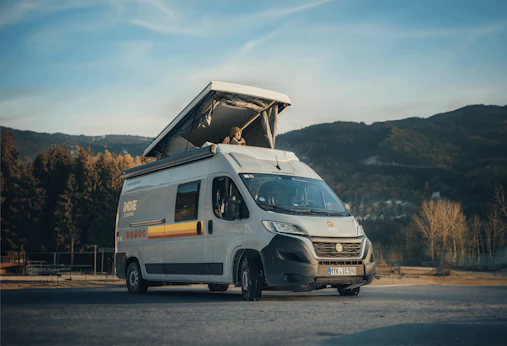
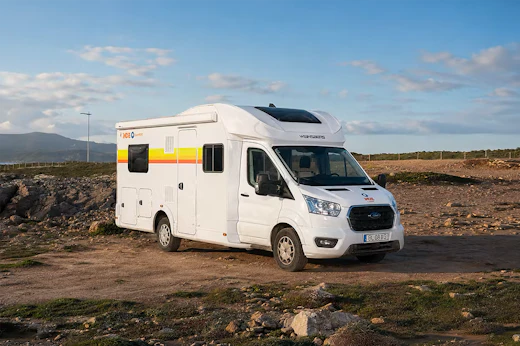
The number of people who can sleep in our campervans will depend on the size of the vehicle and the model. In general, our class C motorhome models can sleep up to 4-8 people, whereas our class B motorhomes can sleep up to 2-4. For cars with a rooftop tent, around 2 people can sleep in this vehicles. More details on our models and sleeping capacities can be found here.
If you are travelling in a campervan, motorhome or caravan around Bilbao, it is important to understand official camping rules of the country you are visiting. As natural areas are generally protected by laws, using an official campsite or designated overnight parking area is highly recommended. This helps protect local communities and ensures you can all enjoy safely. Read more safety tips and protocols here.
We offer three protection plans to cover incidents and damages during your hire period. All Indie Campers motorhomes come with insurance for third-party vehicles and property damage (valid insurance will depend on the country). For marketplace vehicles, insurance options may vary based on the host.
Learn more about our protection plans here.
Yes, our search filter allows you to find a campervan near your location using a 60km radius system. This means depending on the location you are searching from, you will be able to find an Indie campervan hire pick-up centre near you.
Yes, a selected number of Indie Campers campervan hire in Bilbao include unlimited kilometres, allowing you to explore freely and make the most of your road trip! Please note that unlimited kilometres applies exclusively to Indie Campers campervans and is subject to responsible use.
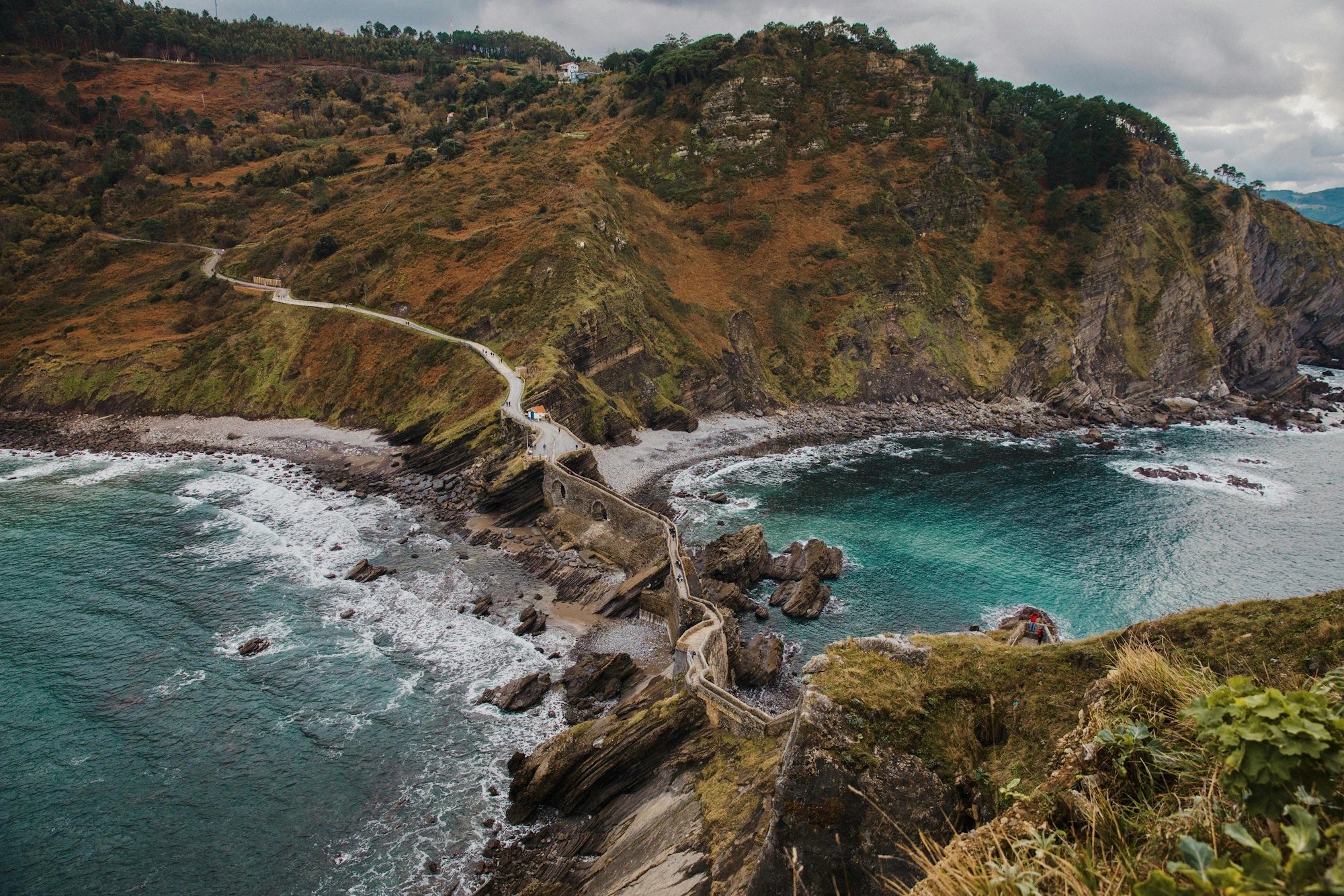
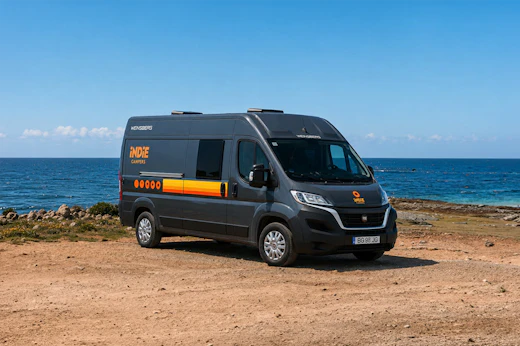
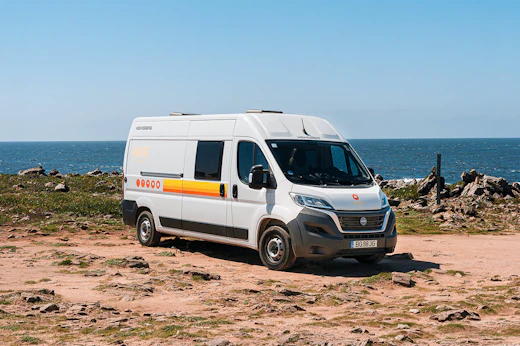
Campervans, Motorhomes & Campervans for Every Kind of Traveller
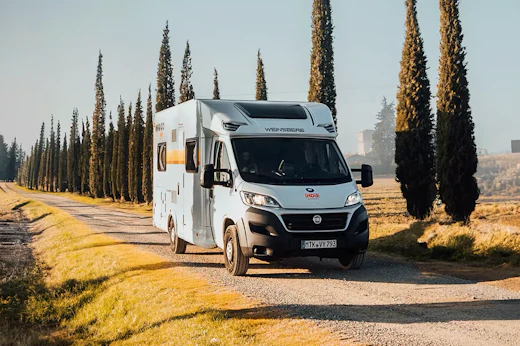
/night
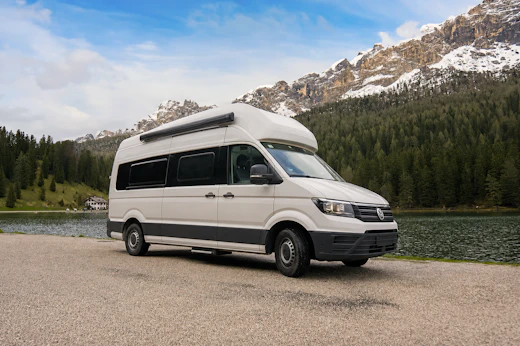
/night

/night
/night

/night

/night
/night

/night
/night
/night
/night

/night

/night

/night
Our Road Trips Itineraries
“Repetiremos. Tanto la recepción como la entrega fue perfecta. Los chicos fueron muy muy amables. ”
“Experiencia recomendable. La persona que nos entregó el vehículo nos lo explicó todo al detalle, sin prisa y sin dejarse nada. Muy fácil recogida y entrega. Repetimos seguro.”
“Expectativas superadisimas y la atención del personal excelente, repetiremos! ”